
Area and layout
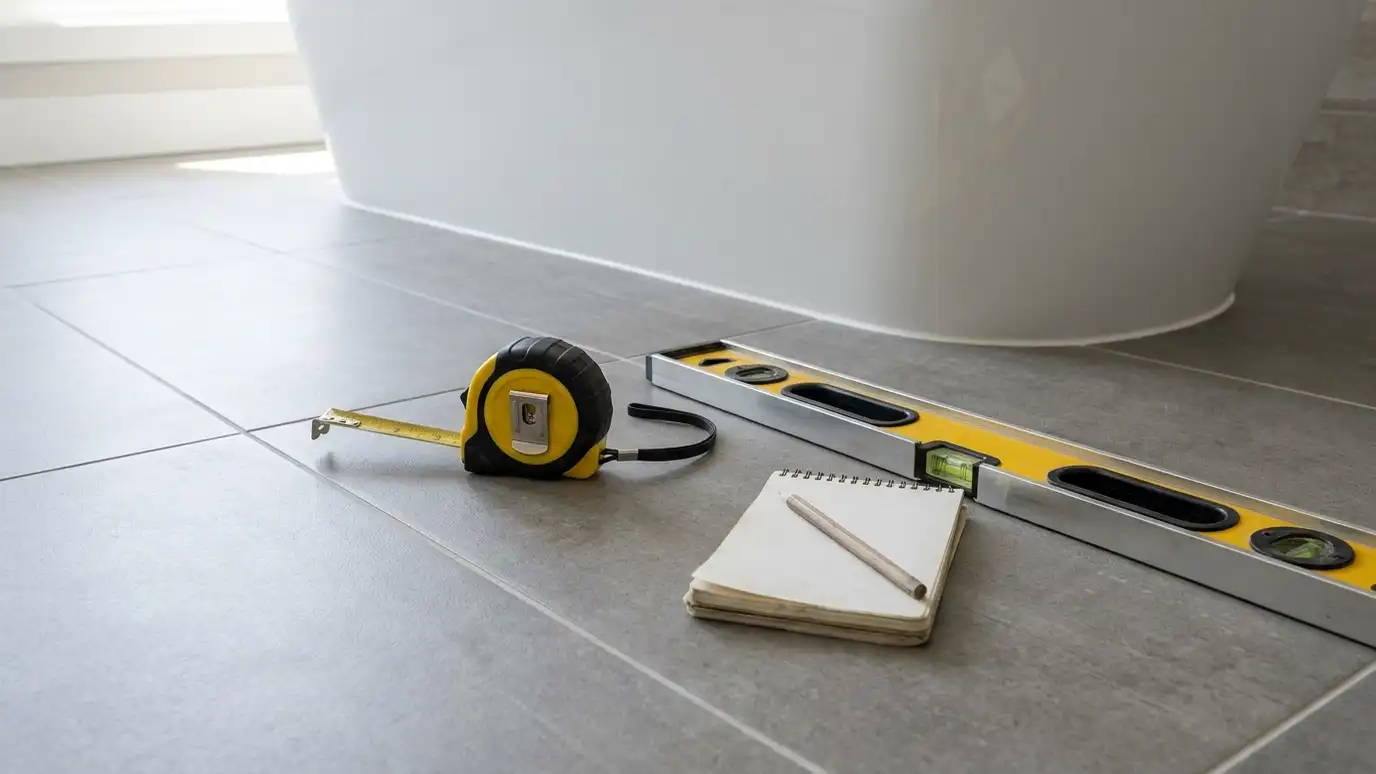
Square footage is the first lever, but shape matters too. A simple rectangle goes faster than a room with many corners, columns and cabinets.
Walls and showers have more cuts per square foot than open floors.
Tell us the rooms and we will measure the real area, including closets and thresholds.
Demolition and prep
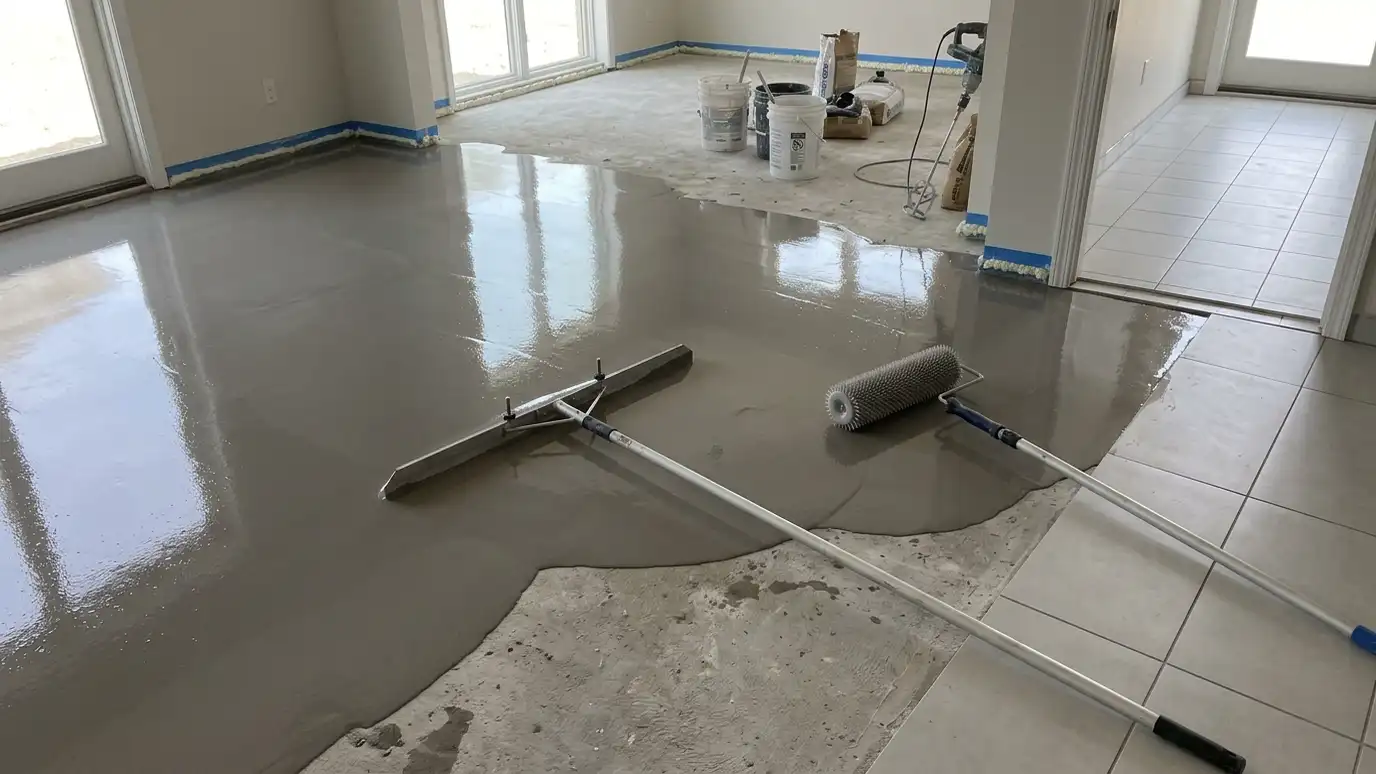
Removing old tile, patching the floor and leveling it are often a large part of the work. A flat, sound base is what lets new tile last.
Quotes that skip prep are not cheaper in the end, because problems show up later.
Ask what happens if hidden damage appears when the old floor comes out.
Waterproofing and backing
Showers and wet areas need real waterproofing and a stable backer, and those steps take time and materials.
The choice between sheet, liquid and traditional systems changes the details.
A written scope should name the waterproofing method and the areas it covers.
The tile itself
Material, size, finish and pattern change both the material cost and the labor. Large-format tile and herringbone layouts take more care than a simple straight lay.
Natural stone adds sealing and a gentler cleaning routine.
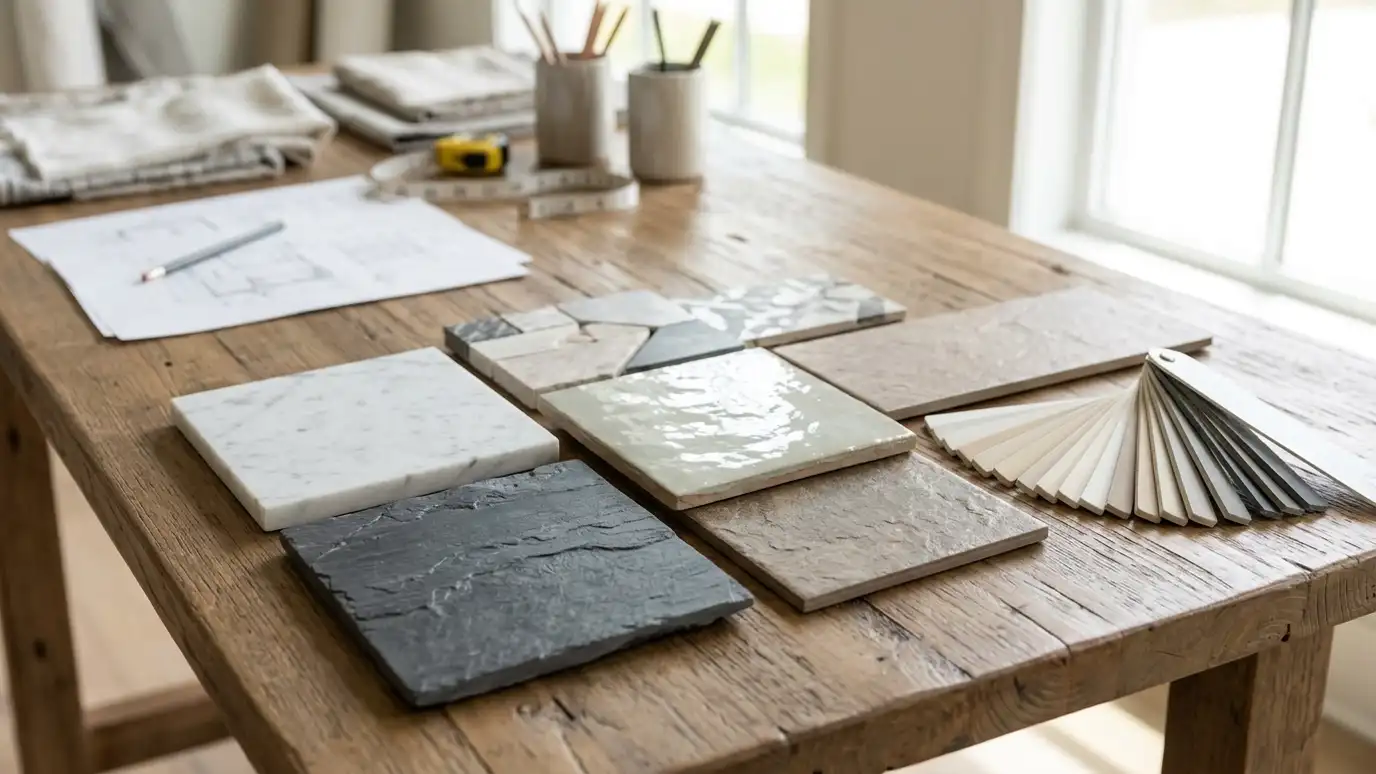
Bring samples to see how a favorite tile affects the plan.
Details and extras
Niches, benches, curbs, heated floors, trim pieces, borders and medallions each add steps and materials.
Decide on details early so they are in the quote and not added later.
A list of what is included and what is extra keeps everything transparent.
Comparing quotes fairly
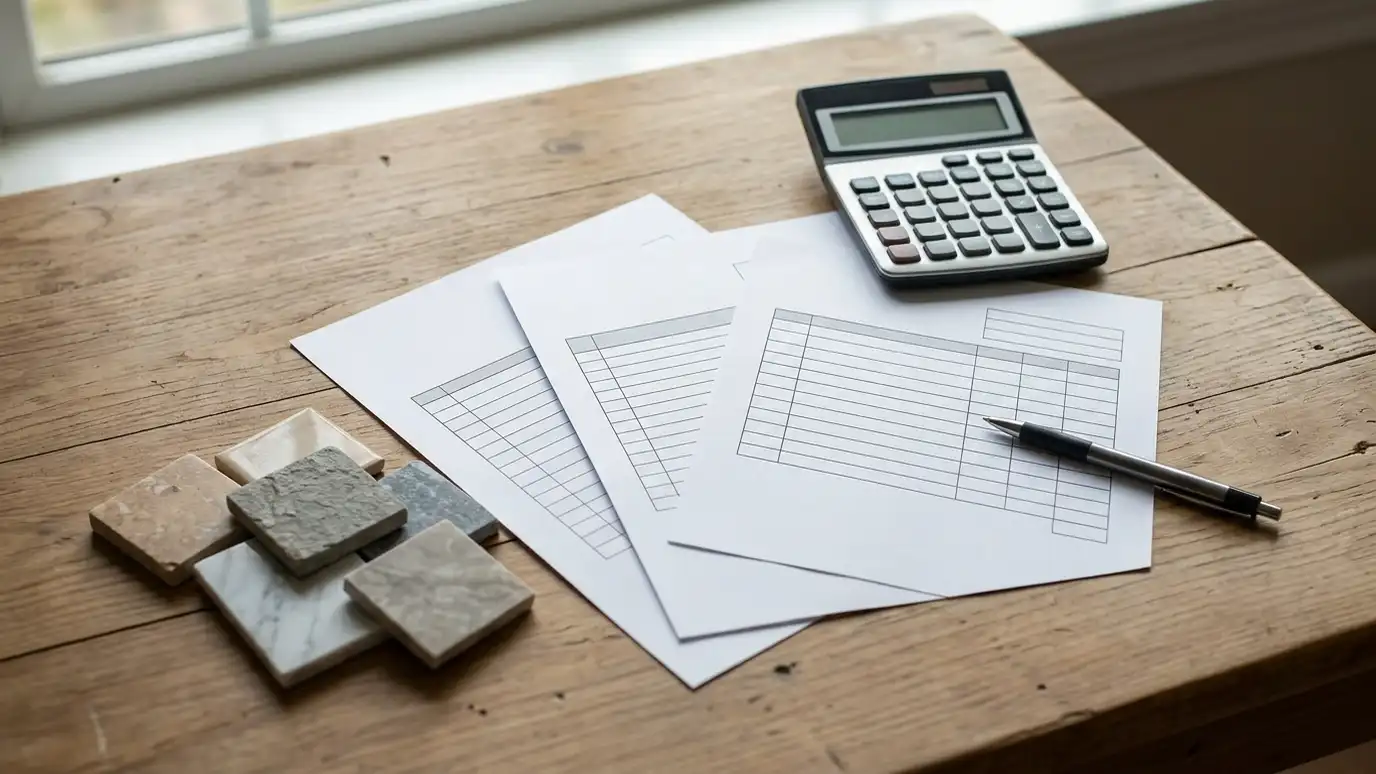
Give each company the same description and ask for the same breakdown: demolition, prep, waterproofing, backer, tile and materials, grout and sealing, and cleanup.
A lower number that leaves out important steps is not a bargain.
Our quote scorecard and budget planner help you line up quotes using your own priorities.
Compare the scope before the total: prep, waterproofing and details should be written down in every quote.