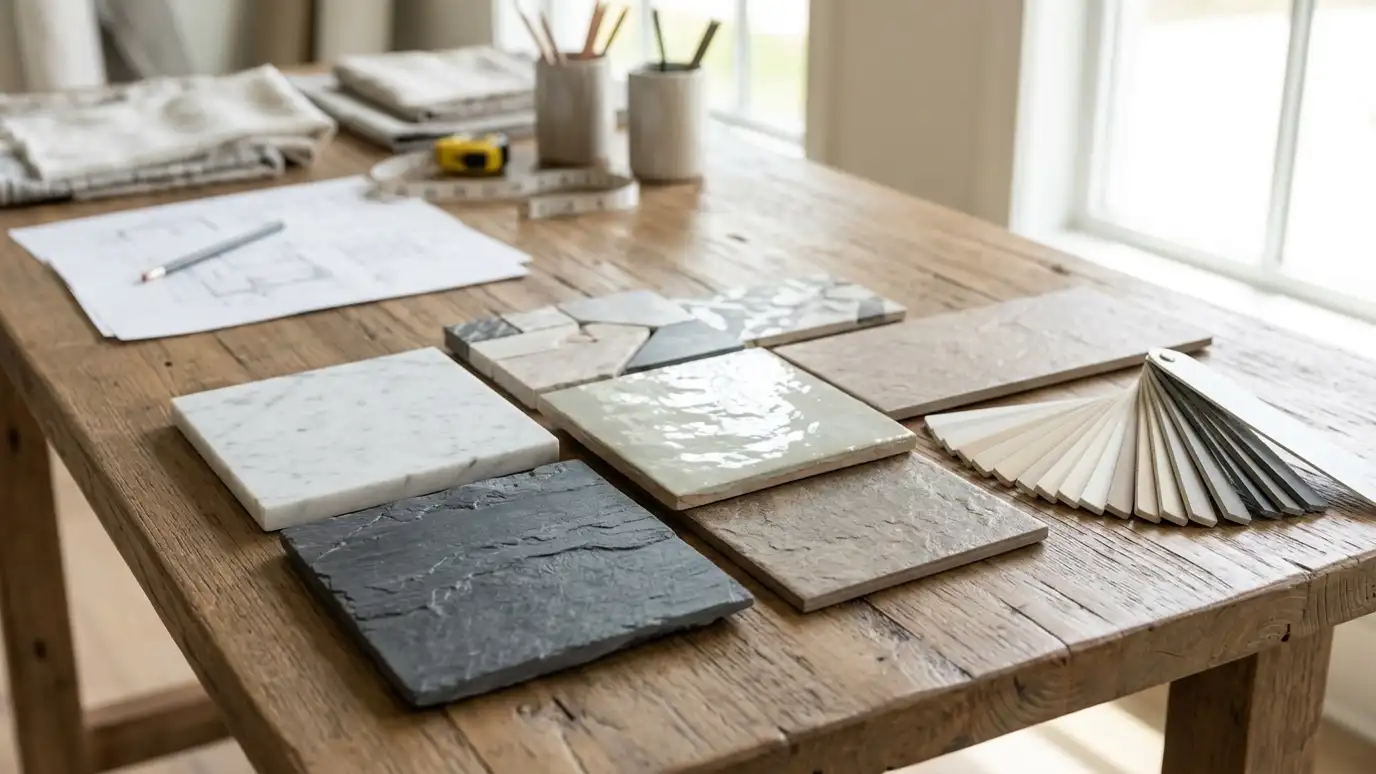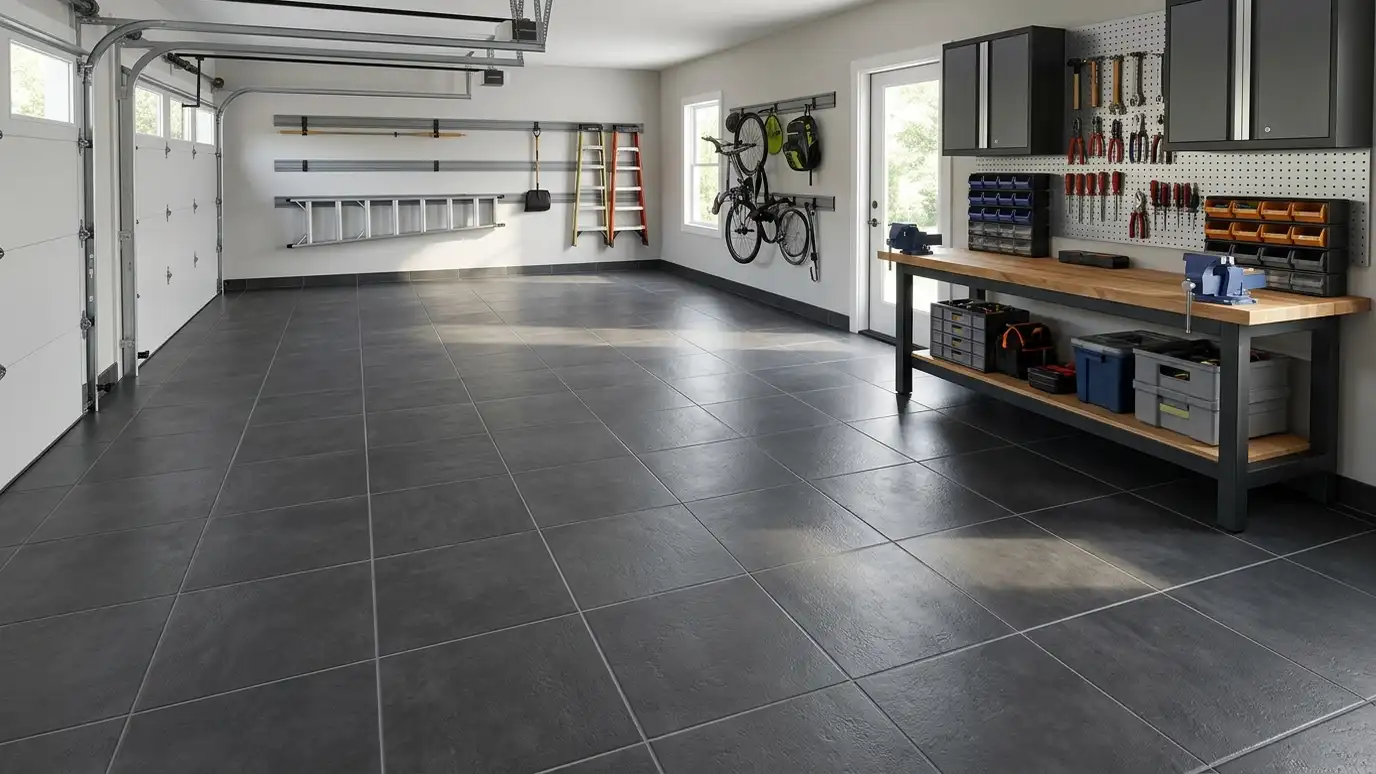
Garage and workshop tile in heavy-duty porcelain and industrial-style tile that handles vehicles, tools, oil and cold slabs with proper prep and joints.
A garage or workshop floor works hard. It carries vehicles, tool chests, oil and water from the weather, and a tile floor can handle it if it is built for the load. Homeowners in Nashville choose tile for garages they use as showrooms, workshops and hobby spaces, and they want a floor that looks as good as the car on it.
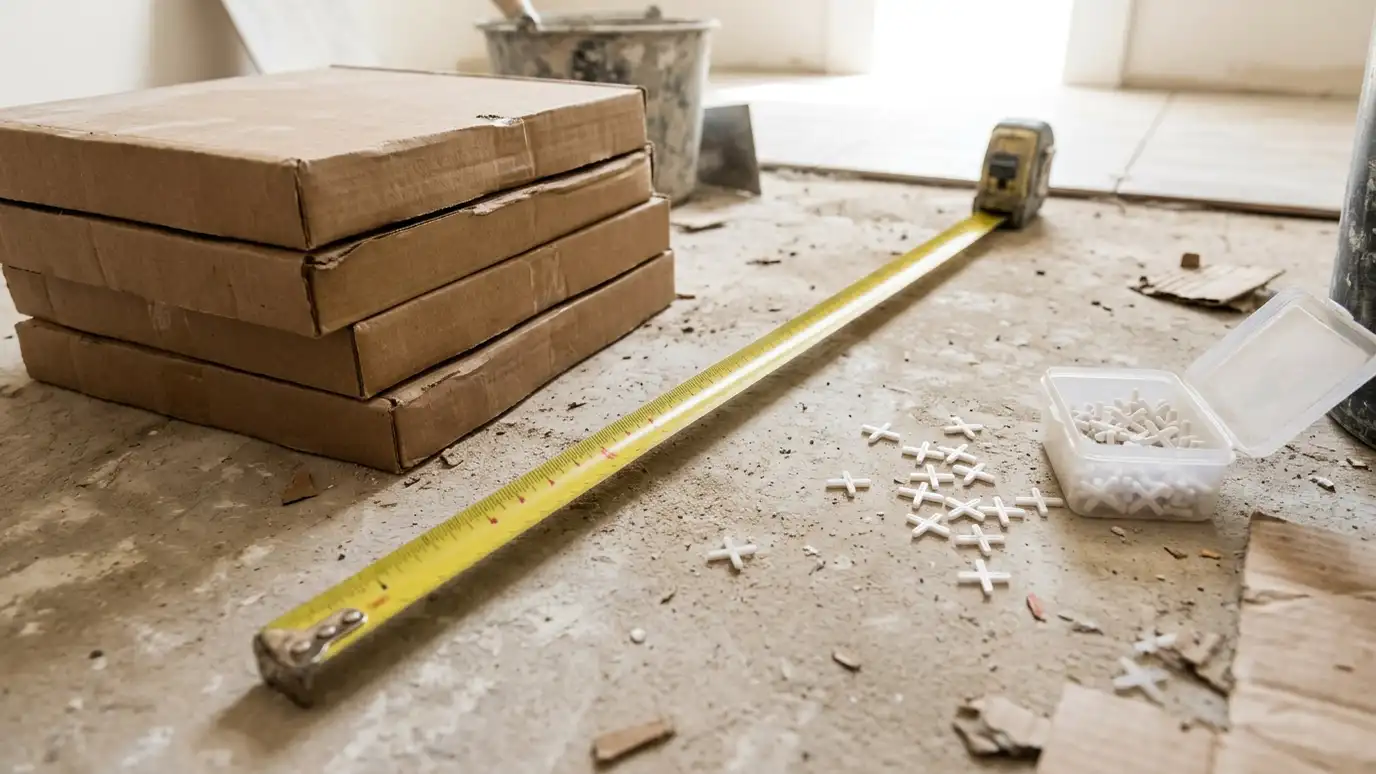
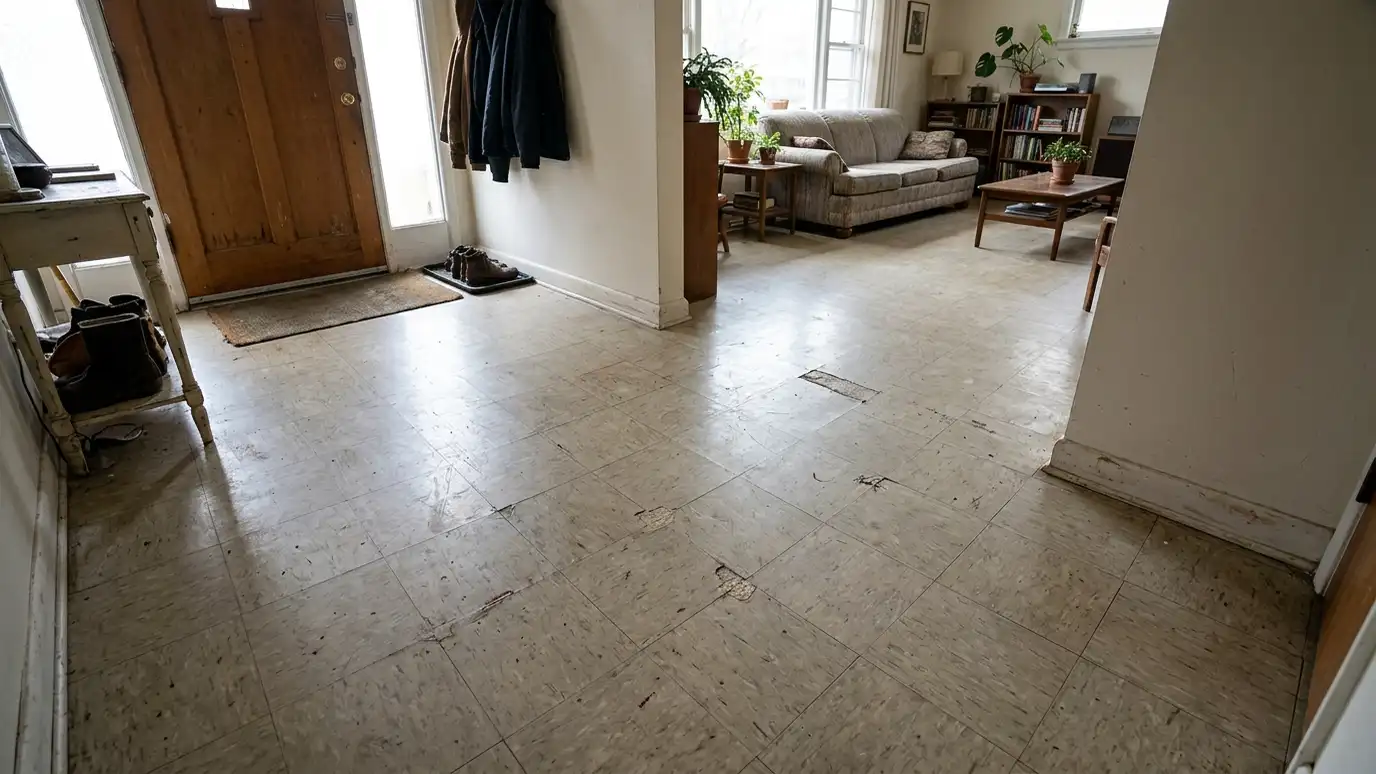
We start with the slab: cracks, slope, oil stains and moisture all need attention before tile. We choose a thick, dense porcelain or a tile rated for heavy use, with a finish that grips. Cracks get an isolation membrane, and movement joints are placed to follow the slab joints. Setting material is chosen for heavy loads, and grout is a stain-resistant type, often epoxy, to handle oil and chemicals. We also plan the transition to the driveway and the door threshold so water does not run in. Move vehicles and large items out when you can, and photograph the slab clearly, including cracks and stains. Think about what you will park, lift and roll across the floor. A tool chest with small casters is harder on a floor than a car, and we plan for it.
Cracks, stains and slope handled first.
Dense porcelain for vehicles and tools.
Movement joints matched to existing ones.
Types that handle oil.
Drag the handle to compare.
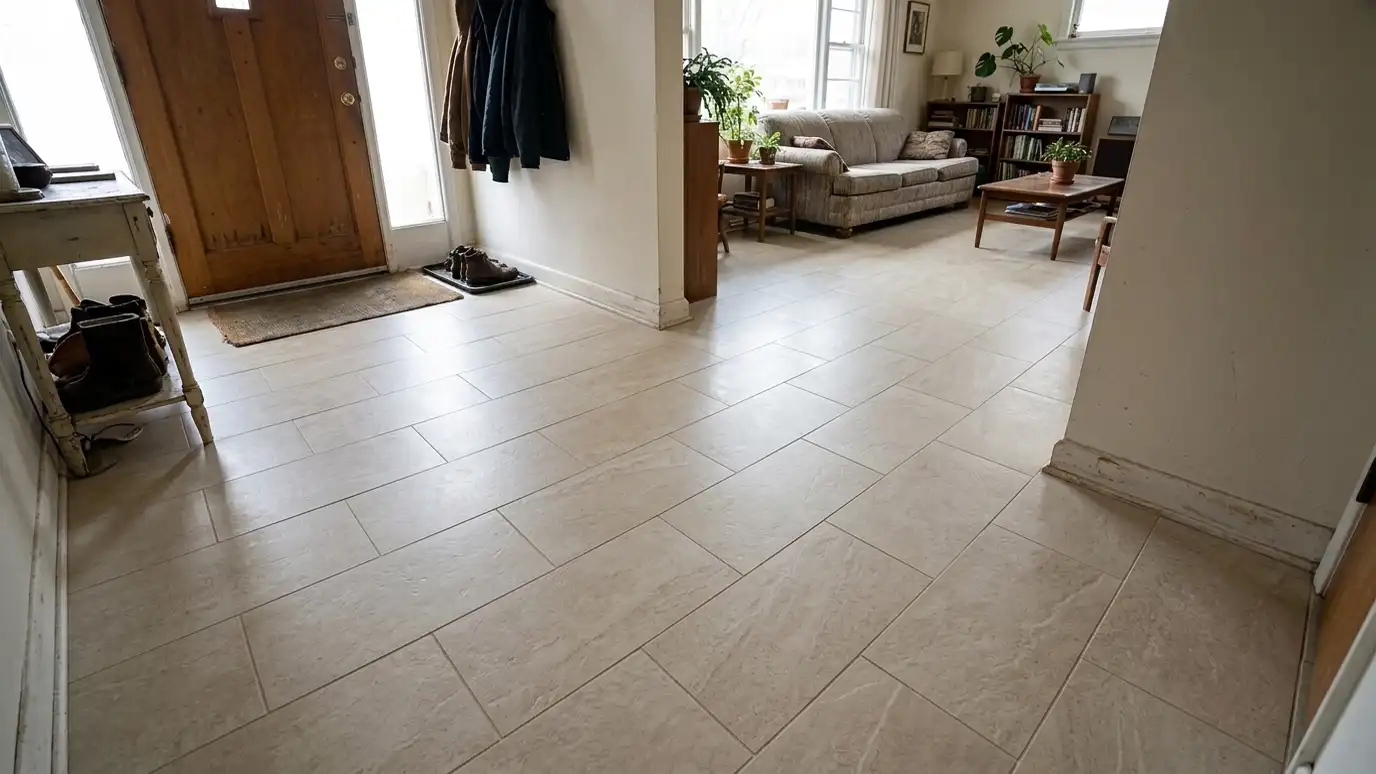
 BeforeAfter
Cracks, stains and slope handled first.
Dense, thick porcelain for vehicles.
Movement joints matched to existing joints.
Types that handle oil and chemicals.
Water kept from running inside.
Grip for wet shoes and tires.
Every topic has its own page with what to expect and how we approach it.
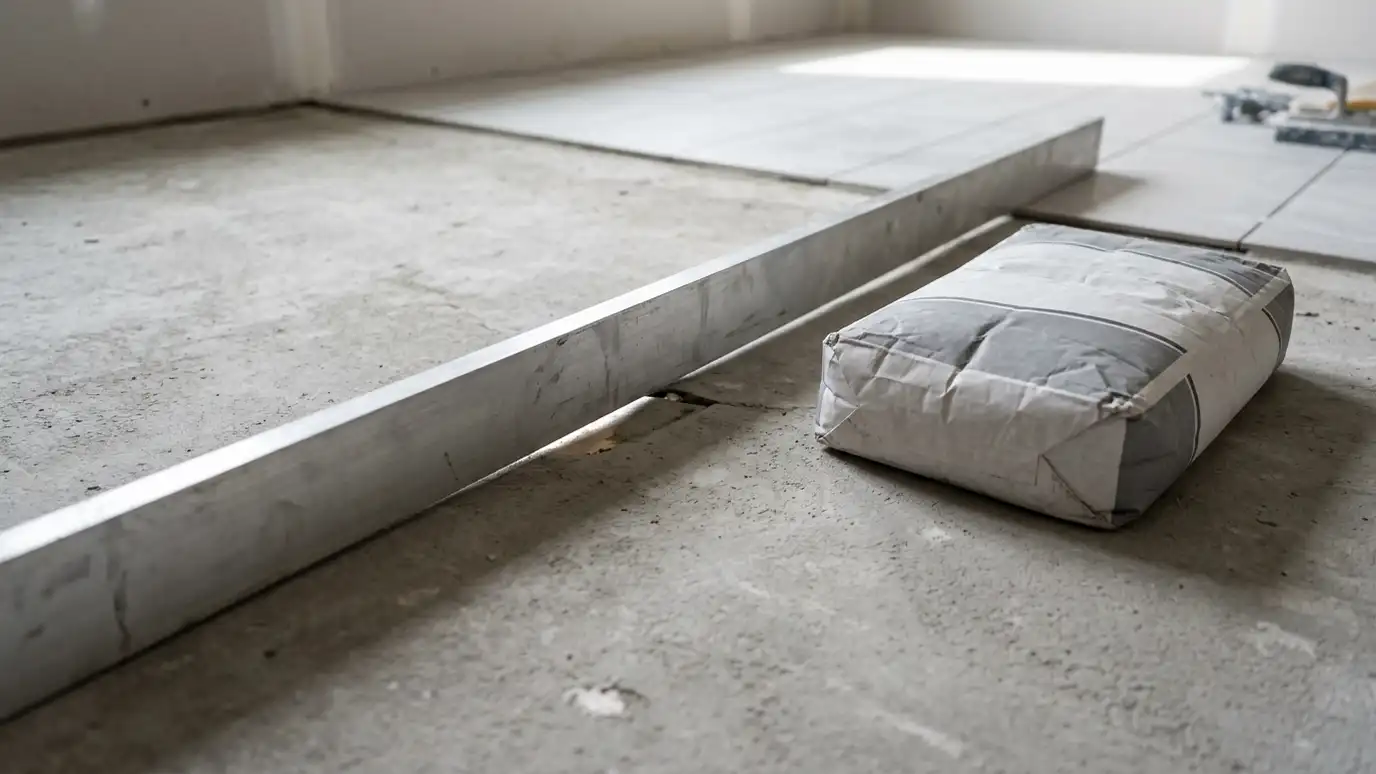 Comparison guideFloor Prep and LevelingWhy tile needs a flat, clean, sound base, how flatness is checked and how leveling compounds and grinding…Learn more
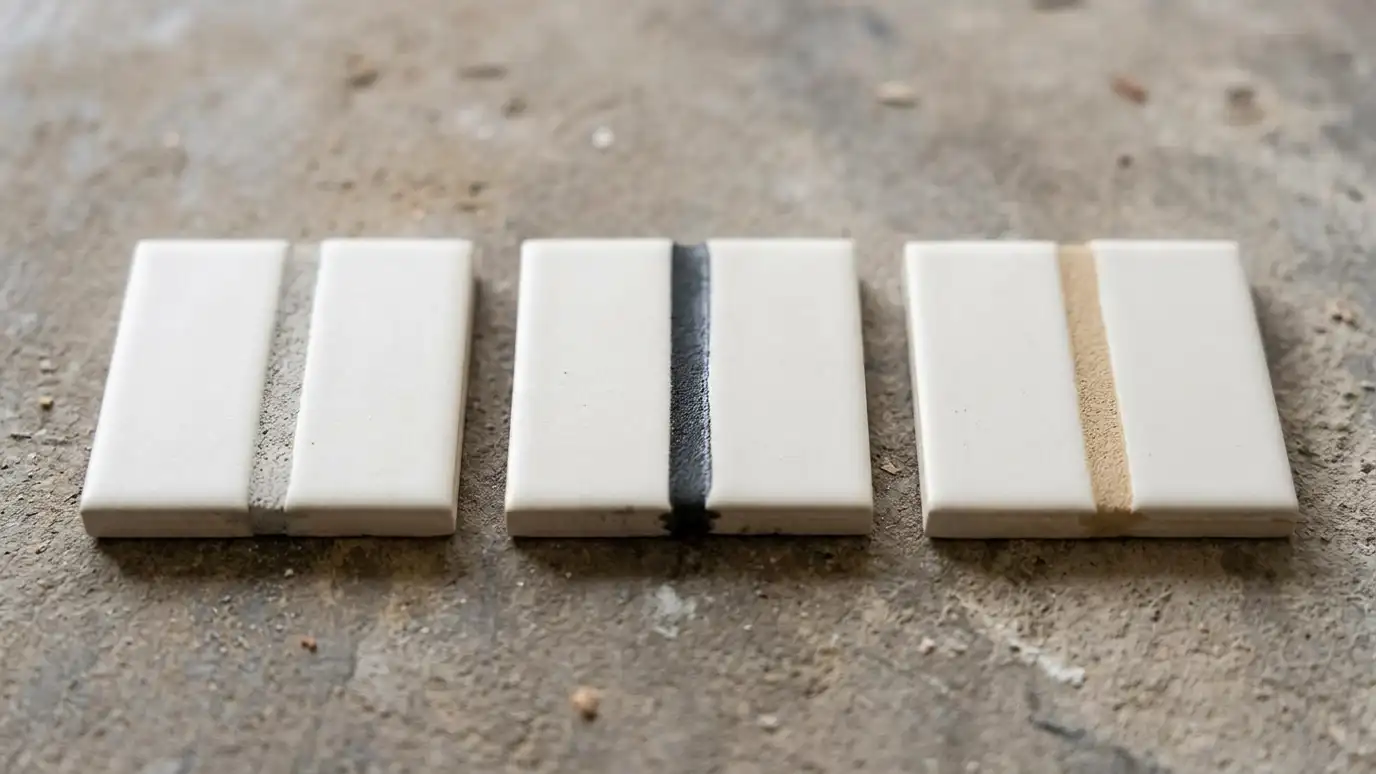 Comparison guideGrout Types ComparedHow cement-based, epoxy and urethane grouts differ in stain resistance, flexibility, color, working time and cost of care.Learn more
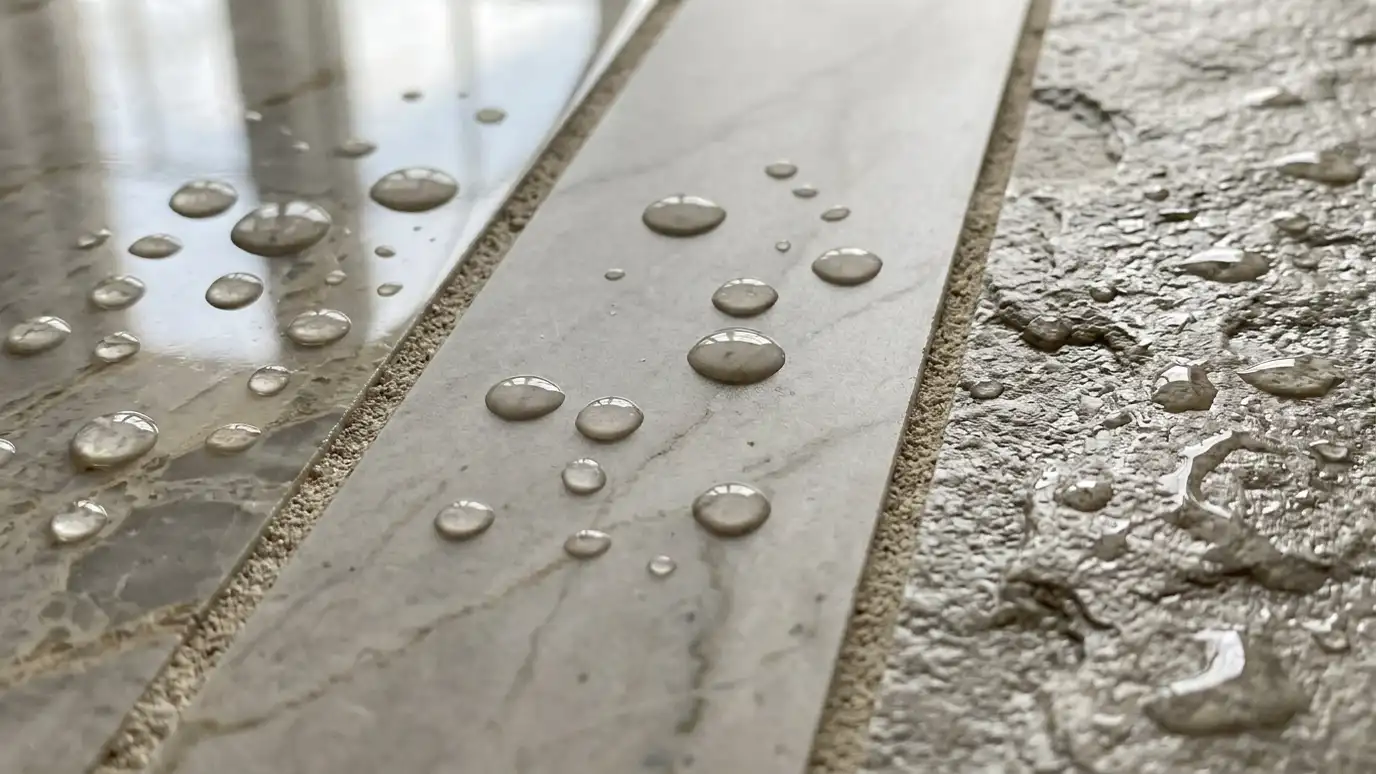 Comparison guideSlip Resistance and FinishHow polished, honed, matte and textured finishes differ, what traction ratings mean and where grip matters most.Learn more
Pick the project and options to see a typical sequence from estimate and ordering to prep, setting, grout and finishing, with cure times.
You tell us the rooms, the tile you like and your timing, and we ask about the floors, walls and any water issues.
We check flatness, moisture and layout from photos or a visit and talk through materials, pattern and trim.
You get a plain written scope with prep, waterproofing, materials, schedule and cure times before anything is ordered.
Old tile comes out, floors are repaired and leveled, backer board and membranes go in and showers are waterproofed and tested.
Tile is set with the right mortar, checked for flatness and alignment and cut carefully at the edges.
We grout, seal and caulk, clean up and walk the finished job with you, leaving written care tips and extra tile.
Dense, heavy-duty porcelain set correctly can, and we confirm the tile rating before you buy.
Oil must be cleaned from the slab before tile. Epoxy grout resists future stains.
Quality porcelain handles tire heat well.
Not required. We plan the slope to suit your garage and doors.
Each has strengths. We explain differences honestly and help you choose.
 Basement TileBasement tile floors set over concrete with moisture testing, crack protection and a tile choice that handles cool…Explore
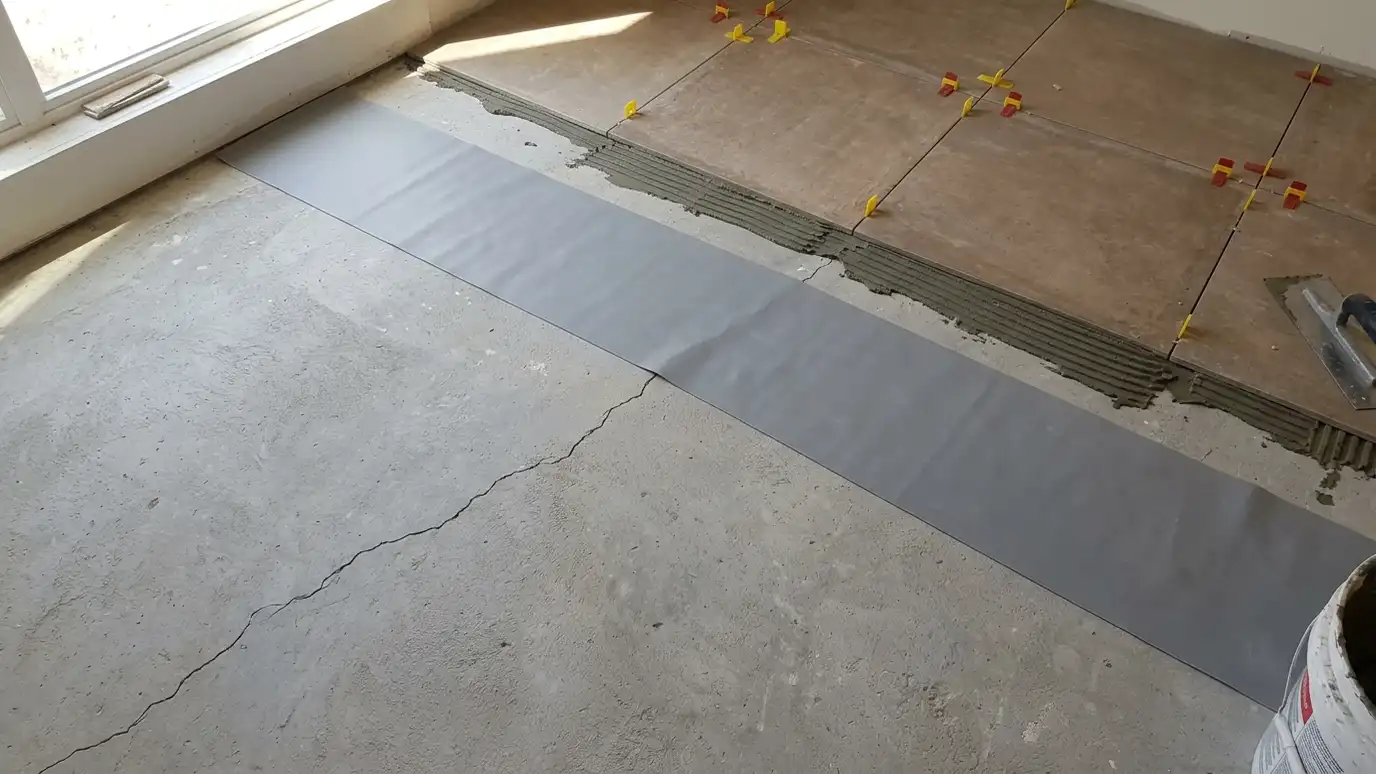 Crack IsolationCrack isolation membranes that bridge hairline cracks and small movements in concrete so they are less likely to…Explore
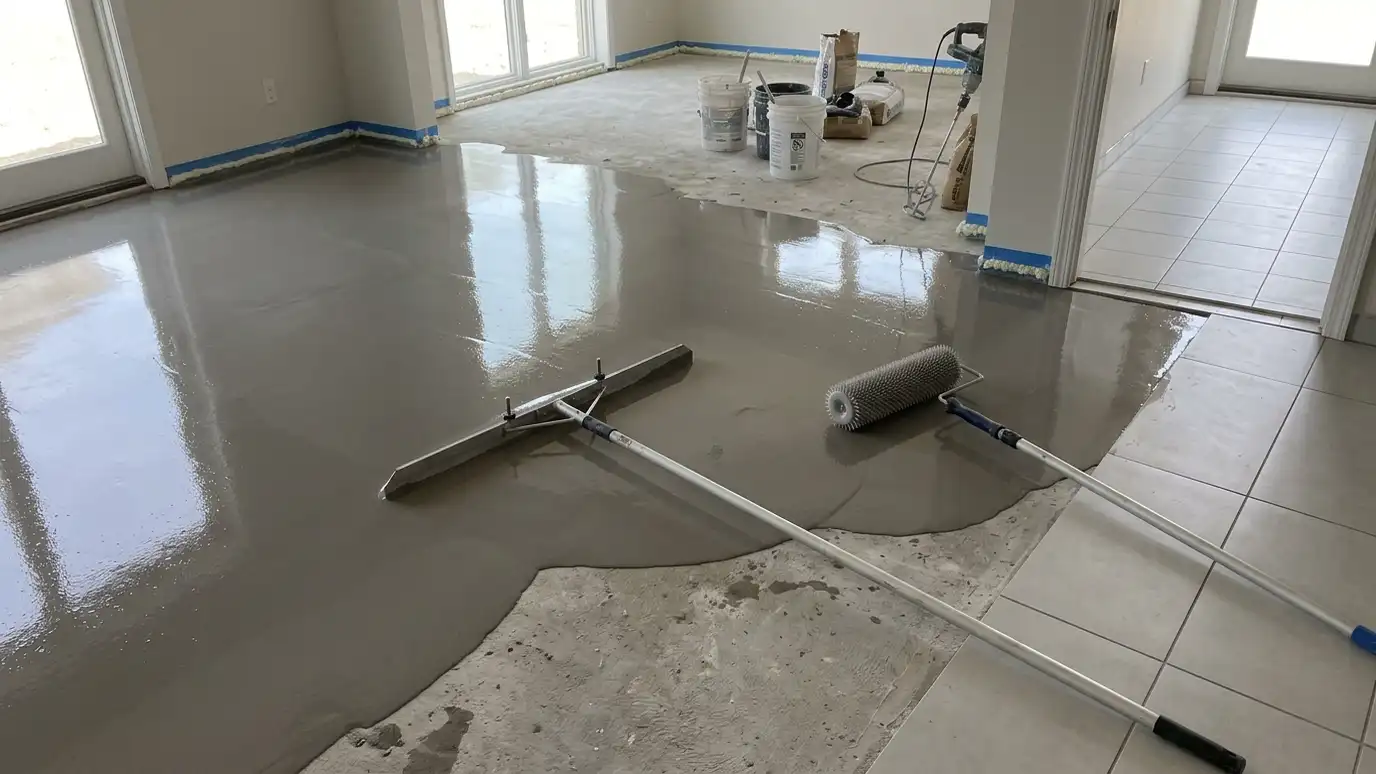 Floor Prep and LevelingFloor prep and leveling that makes concrete and wood subfloors flat, clean and ready for tile, using grinding…Explore
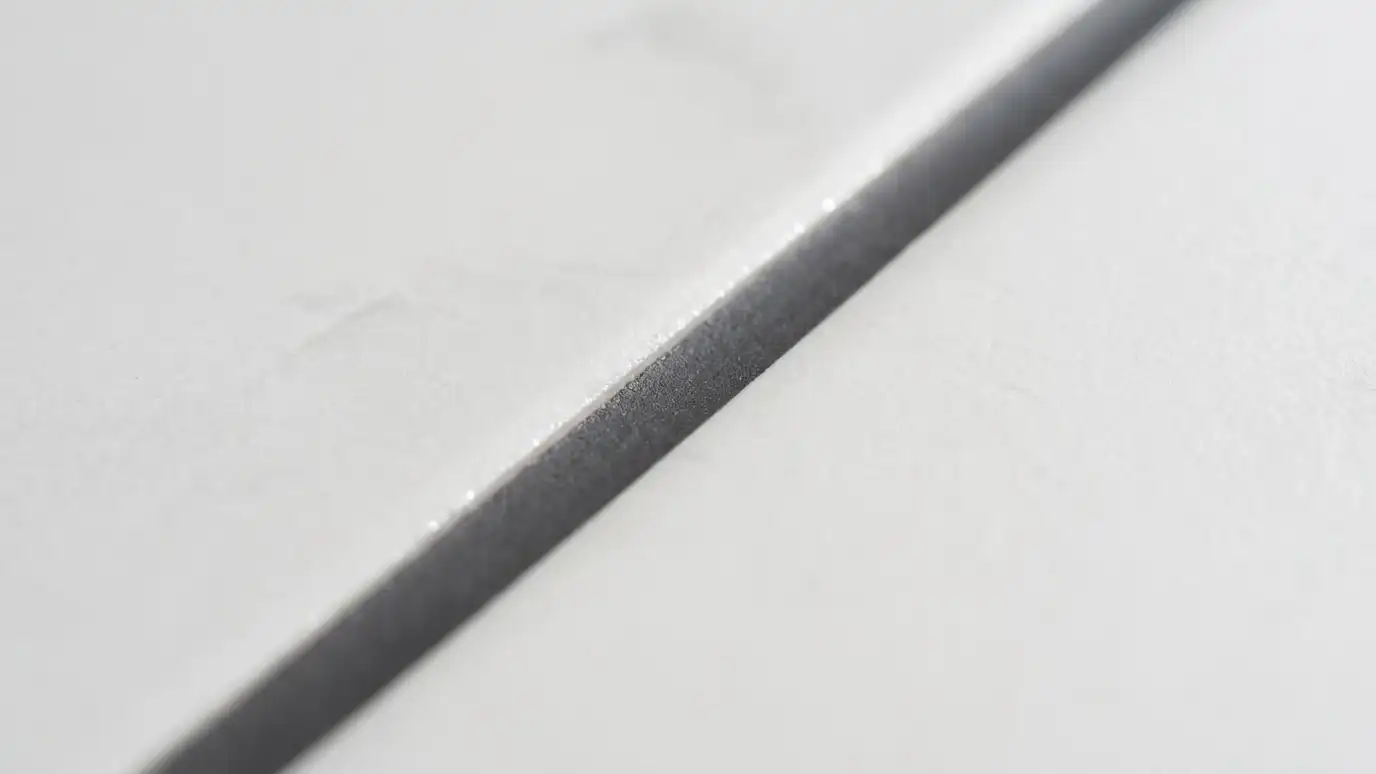 Epoxy GroutEpoxy grout installation for showers, kitchens and commercial floors, with stain-resistant, durable joints placed carefully by experienced hands.Explore
Tell us about your project and we will call you back to set up a visit.
Or call (615) 357-7797 to talk now.