Types of grout
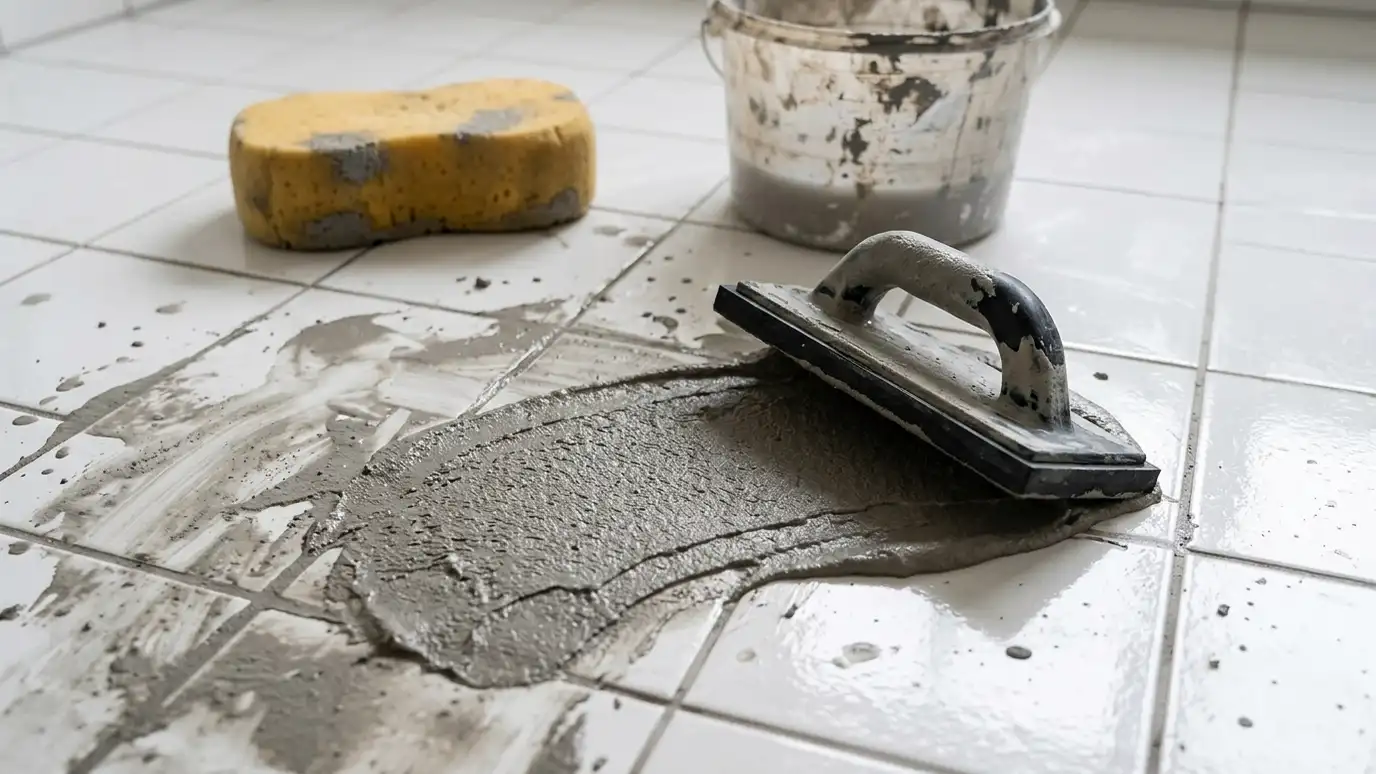
Cement-based grout is the classic choice, epoxy resists stains and water and urethane comes premixed with some flexibility.
Sanded grout fills wider joints, and unsanded suits narrow ones.
Our comparison guide explains each option.
Joint width and color
Joint width depends on the tile and the layout. Rectified tile allows narrow joints, and handmade tile needs wider ones.
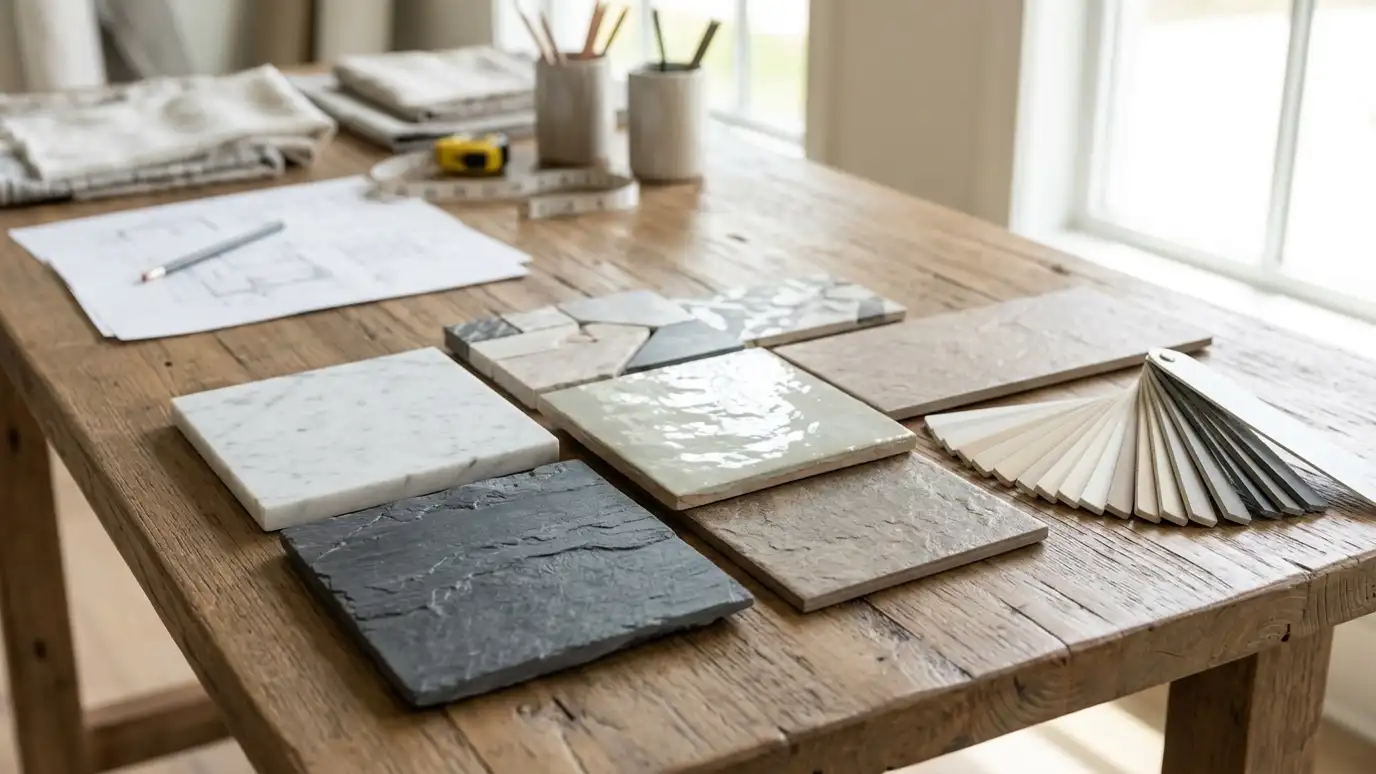
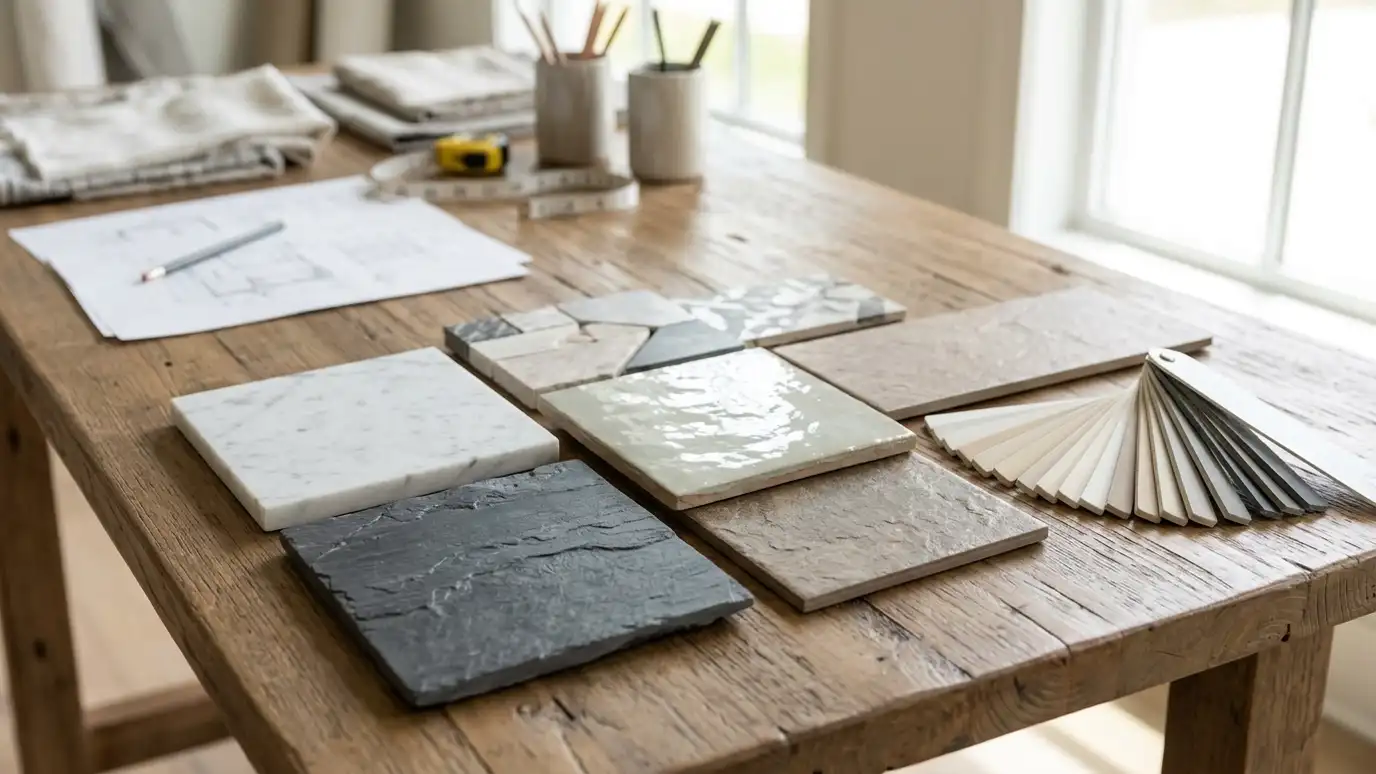
Color changes the look, so test samples next to real tile.
A color close to the tile gives a calm look, and contrast shows the pattern.
Sealing
Cement grout and natural stone need sealing and renewal on a schedule. Epoxy and urethane do not usually need sealer.
Test with a few drops of water to learn when to reseal.
Use products made for your tile.
Caulk in corners
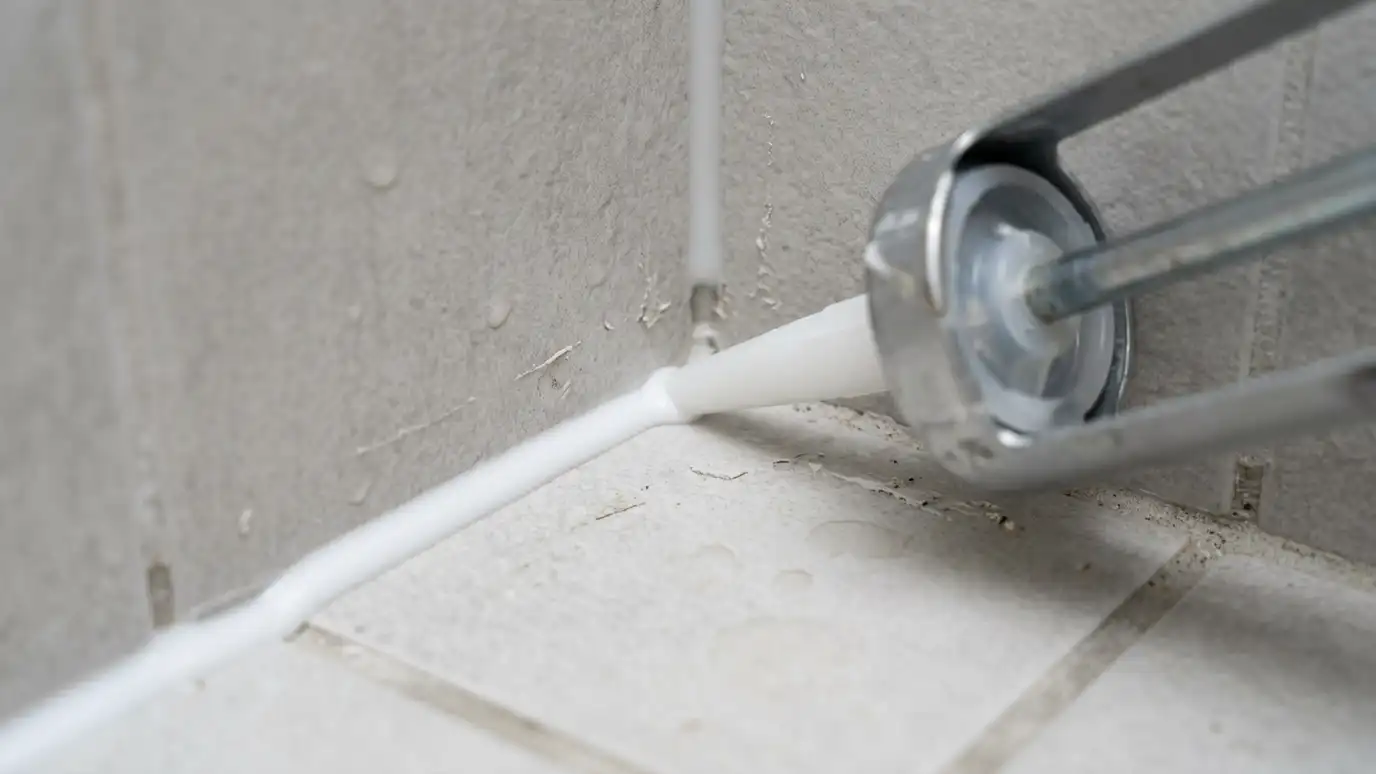
Corners and changes of plane move, and rigid grout cracks there. Flexible caulk handles the movement.
Match the caulk to the grout color.
Replace caulk when it cracks, shrinks or grows mildew.
Cracks, stains and crumbling
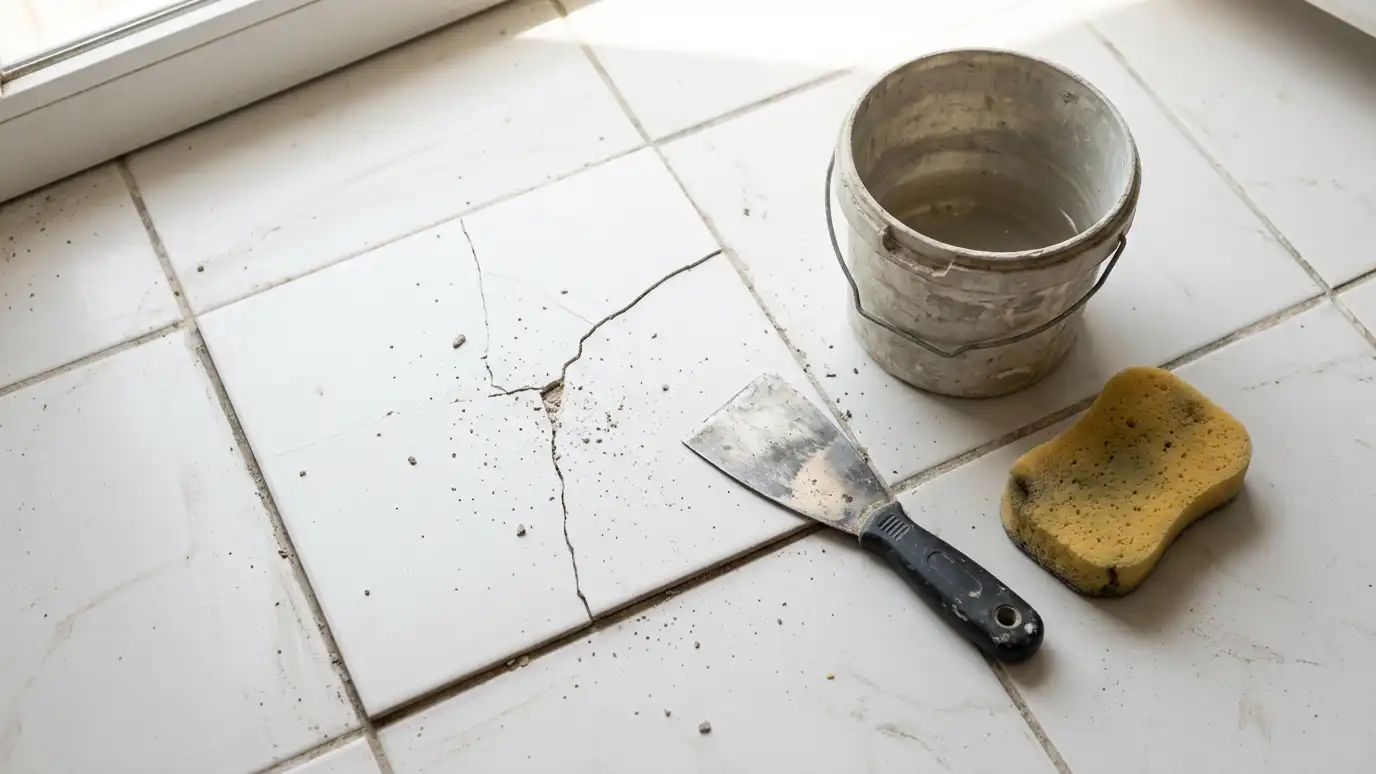
Cracks may come from movement, a weak base or poor mixing. Stains come from soap, minerals and spills.
Cleaning, color restoration and regrouting solve different problems.
A pro can tell you which fits.
Regrouting
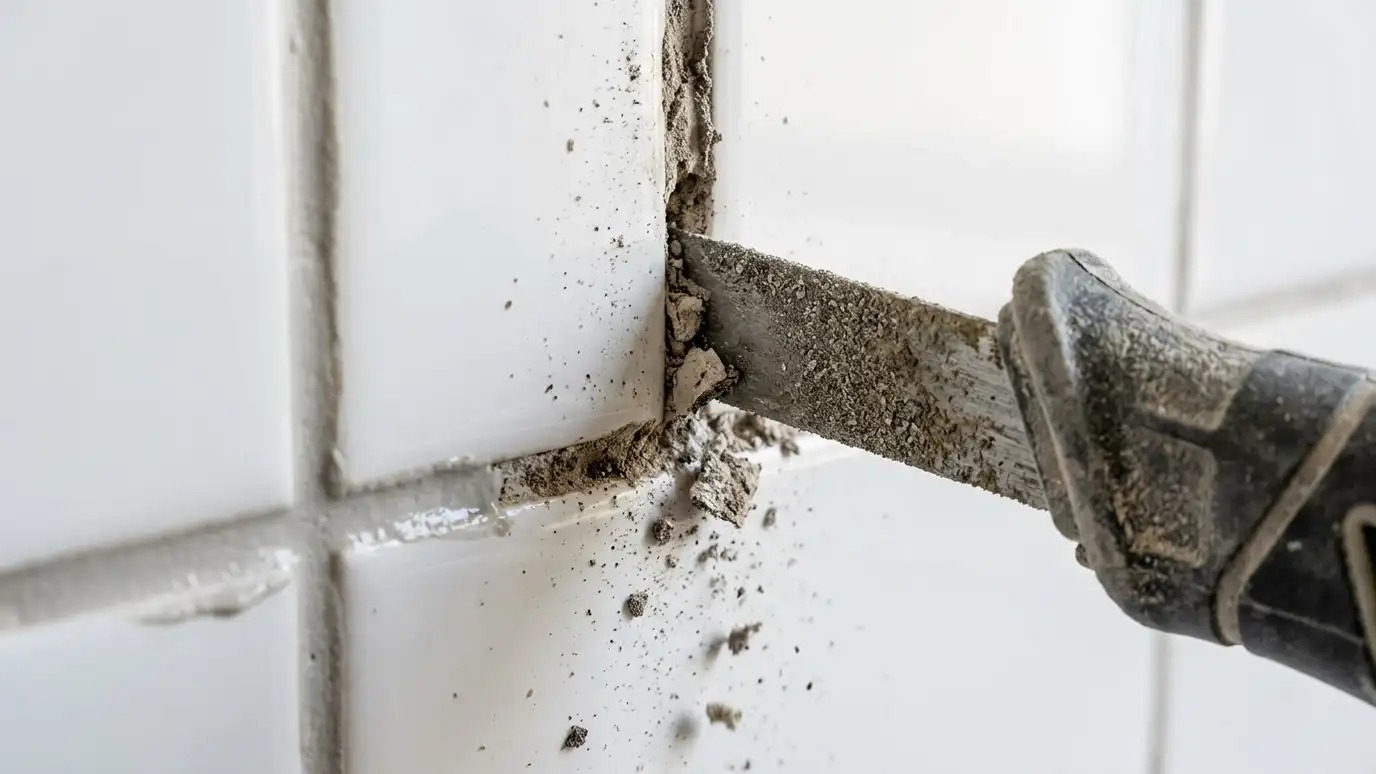
Old grout is carefully removed and new grout is installed without chipping the tile. The result renews the whole surface.
Caulk and sealing are renewed at the same time.
Plan the work so the room can rest while grout cures.
Choose grout for how the room is used, seal it if it needs sealing and keep flexible caulk in the corners.