Flat
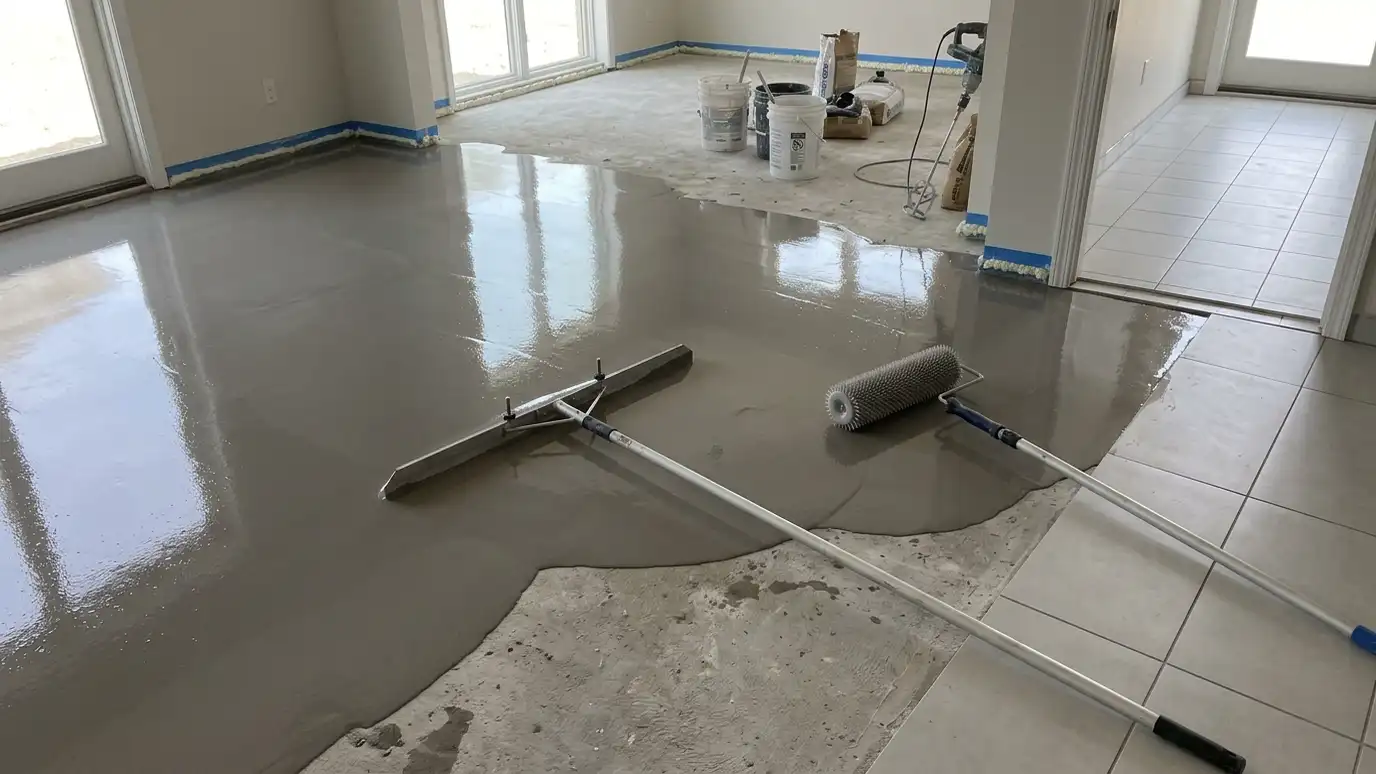
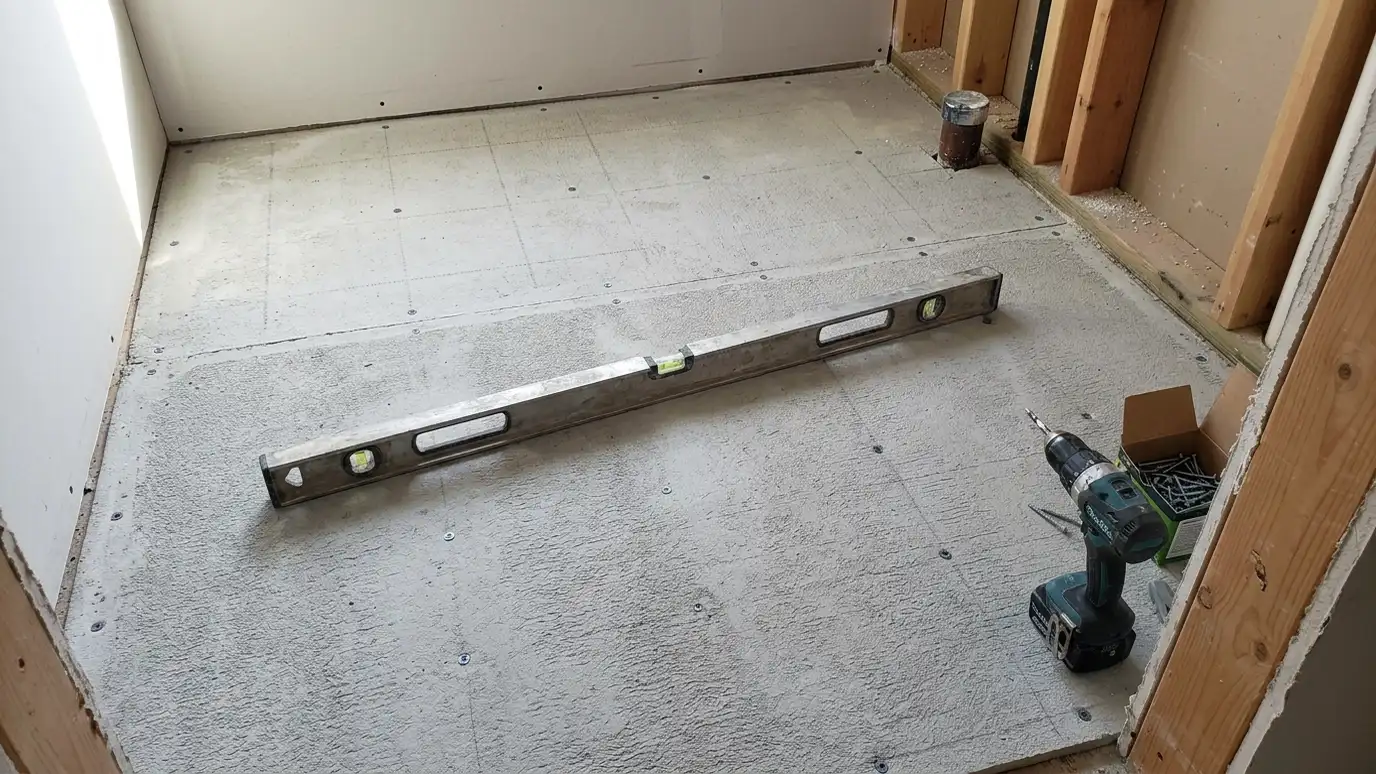
Tile follows the floor, so humps and dips show up as uneven edges. A long straightedge shows the gaps, and larger tile asks for flatter floors.
Grinding and patching fix high and low spots.
Self-leveling products can flatten larger areas.
Stiff
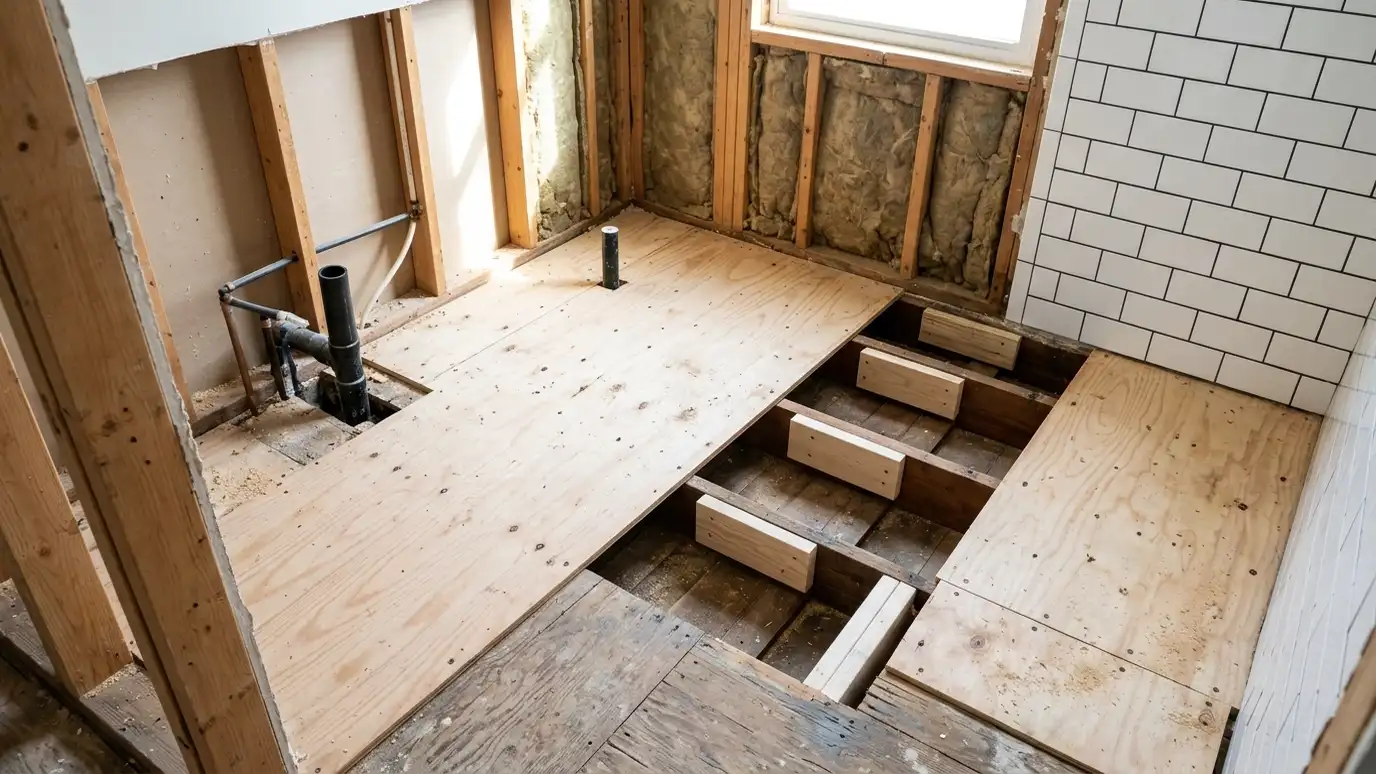
Wood floors flex, and brittle tile and grout can crack when they do. Joists can be blocked, plywood can be added and backer board or an uncoupling layer can be installed.
A bouncy floor is a sign to stop and fix the structure first.
Natural stone asks for an even stiffer floor.
Dry
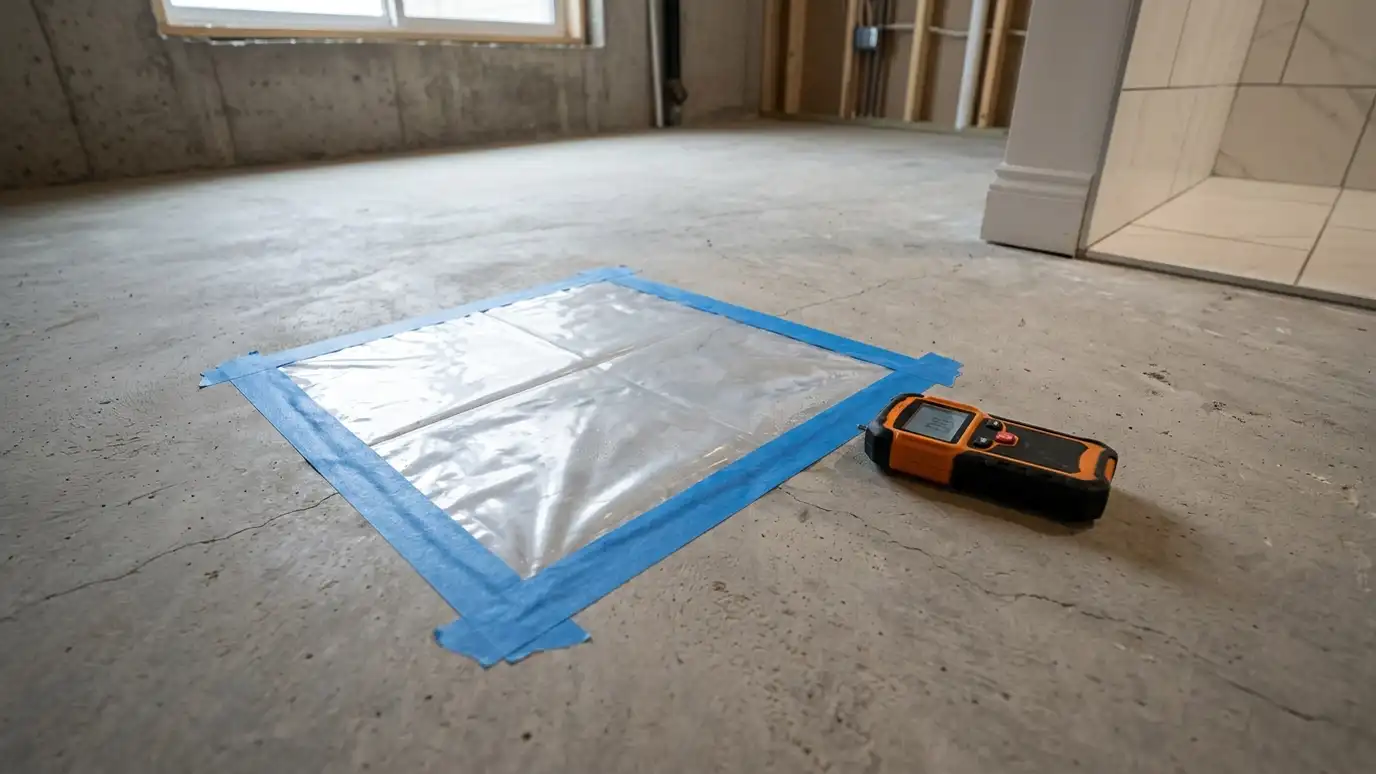
Concrete slabs can carry moisture that harms adhesives and stone. Moisture tests tell whether a vapor barrier or a waiting period is needed.
Basements deserve particular attention.
We explain test results in plain terms.
Clean and sound
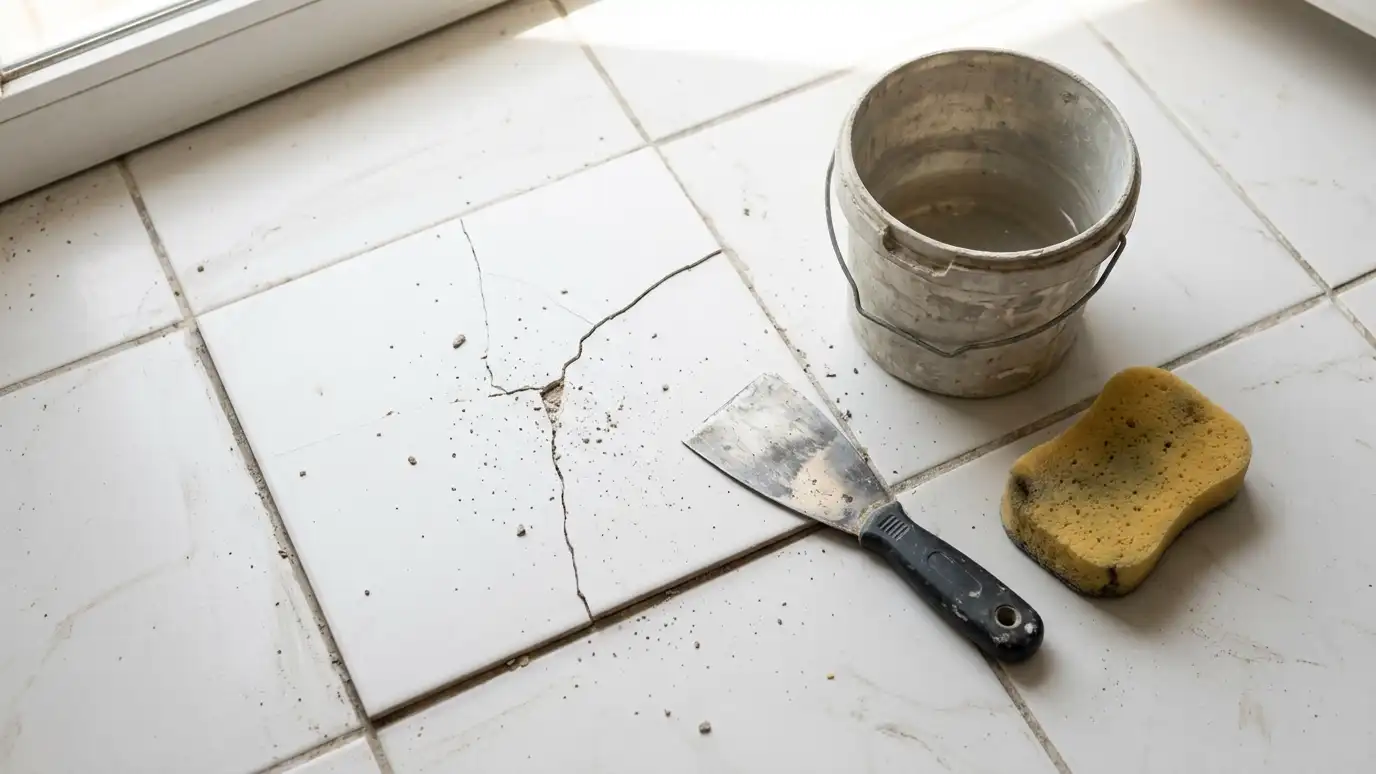
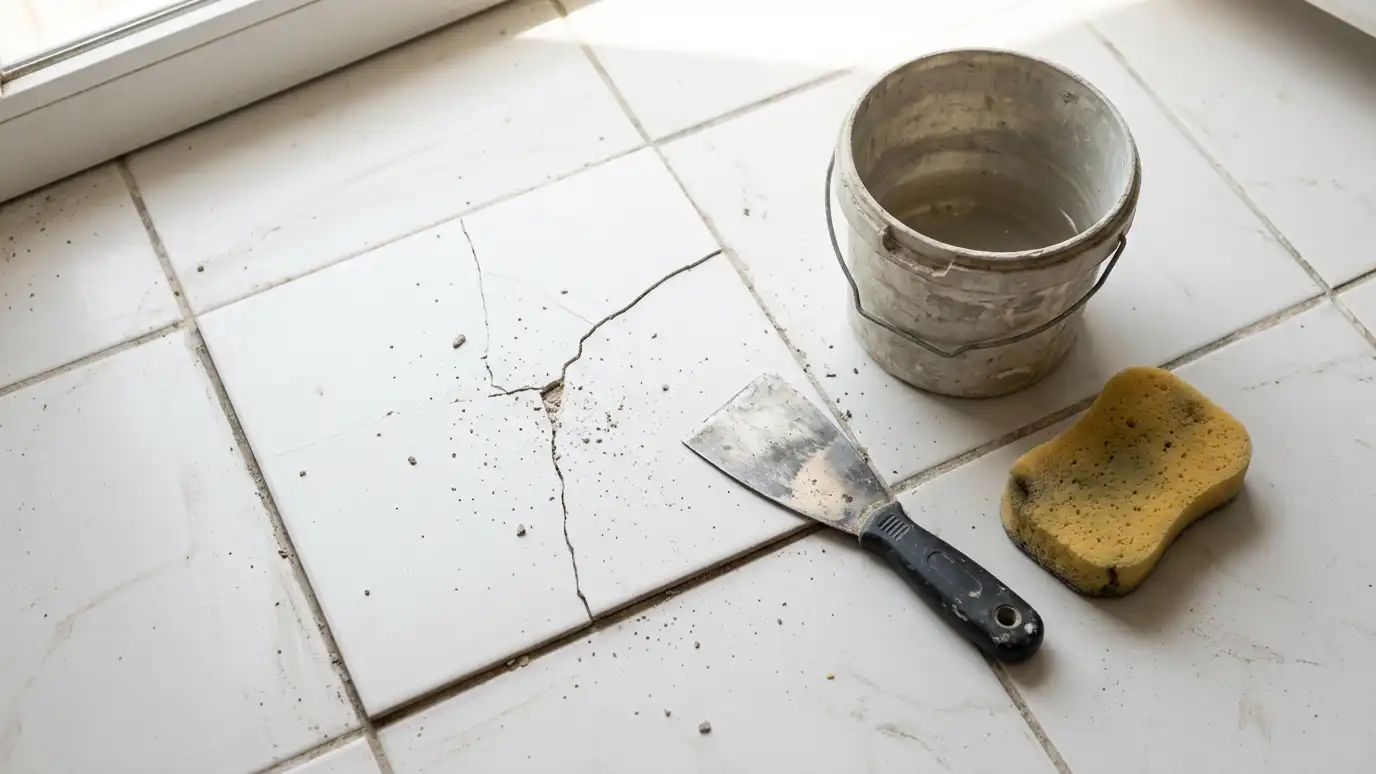
Old adhesive, paint, oil and dust weaken the bond. Loose pieces, cracks and soft spots need repair.
Primers help mortar grab the surface.
We remove what does not belong and keep what is solid.
Cracks and movement
Existing slab cracks can telegraph through tile. Crack isolation membranes let the tile and the slab move a little apart.
Expansion joints are planned in large areas.
Corners and edges use flexible caulk rather than grout.
Heights and transitions
New layers raise the floor. Door clearances, appliances and neighboring floors all need a plan.
We note thresholds and transitions before work begins.
A little planning avoids awkward steps and trimmed doors.
Fix the floor before you fall in love with the tile, because the base decides how long the tile lasts.