Moisture testing and vapor control for concrete slabs and basements, with simple tests and vapor barriers so moisture does not undermine new tile.
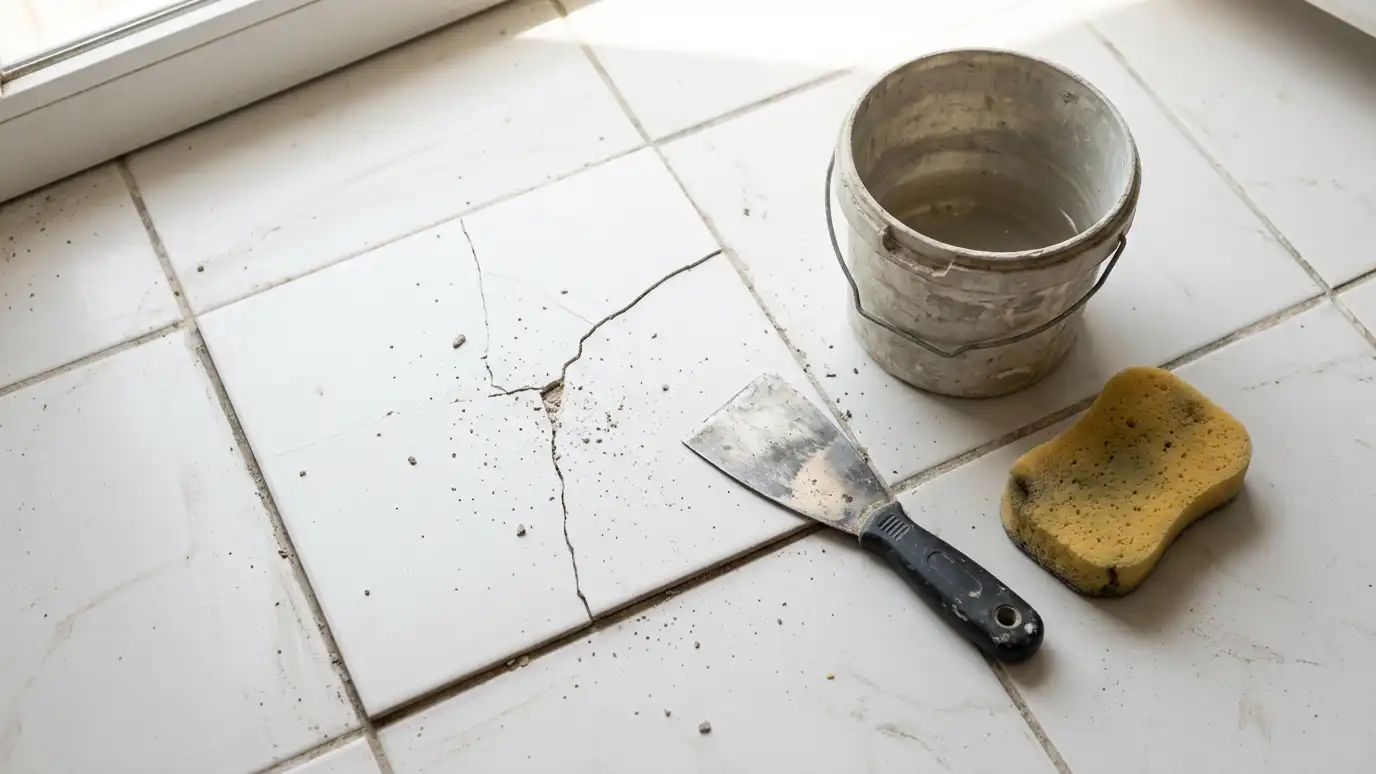
Concrete can hold and release moisture for a long time, and that moisture can loosen adhesives, stain grout and cause efflorescence under tile. Basements and slab-on-grade rooms are the most common problem spots. Homeowners in Nashville who finish a lower level or tile a new addition benefit from a moisture test before tile, so problems are found before they cost much.
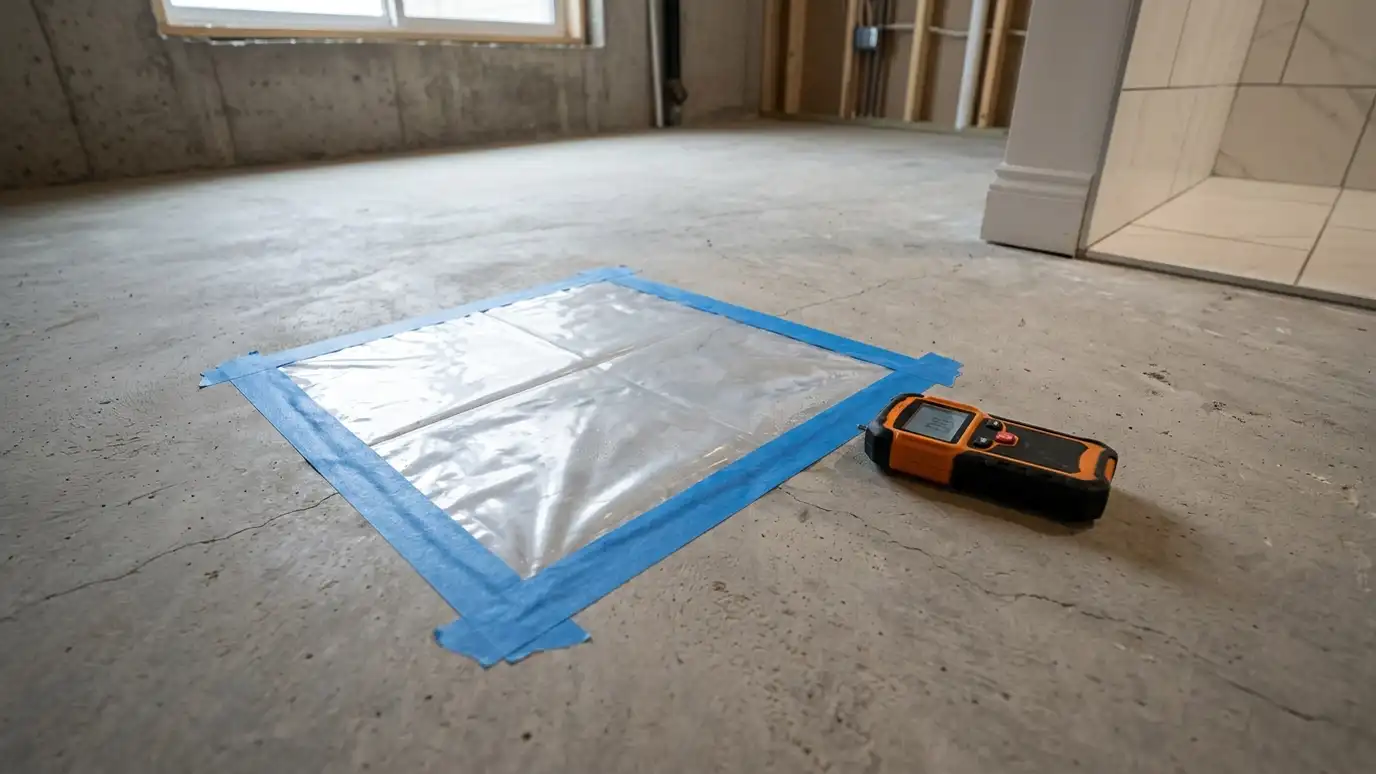
We start with a conversation about the building: age, drainage and past water problems. Simple tests, like a plastic sheet taped to the slab or a moisture meter, give clues, and more formal tests are available when a maker requires them. If moisture is high, we discuss sources, such as drainage, gutters and grading, since tile alone cannot fix water entering a building. Where the slab is simply damp, a vapor-control layer under tile can help. We explain what the results mean and what steps make sense next. Keep a simple log of when the basement or slab feels damp, especially after rain. Take photos of efflorescence or stains. Check gutters, downspouts and grading outside, since fixing outside water often does more than any floor treatment.
Age, drainage and past leaks discussed.
Meter and sheet tests, plus formal tests when needed.
Drainage and grading considered.
We say when tile should wait.
Drag the handle to compare.
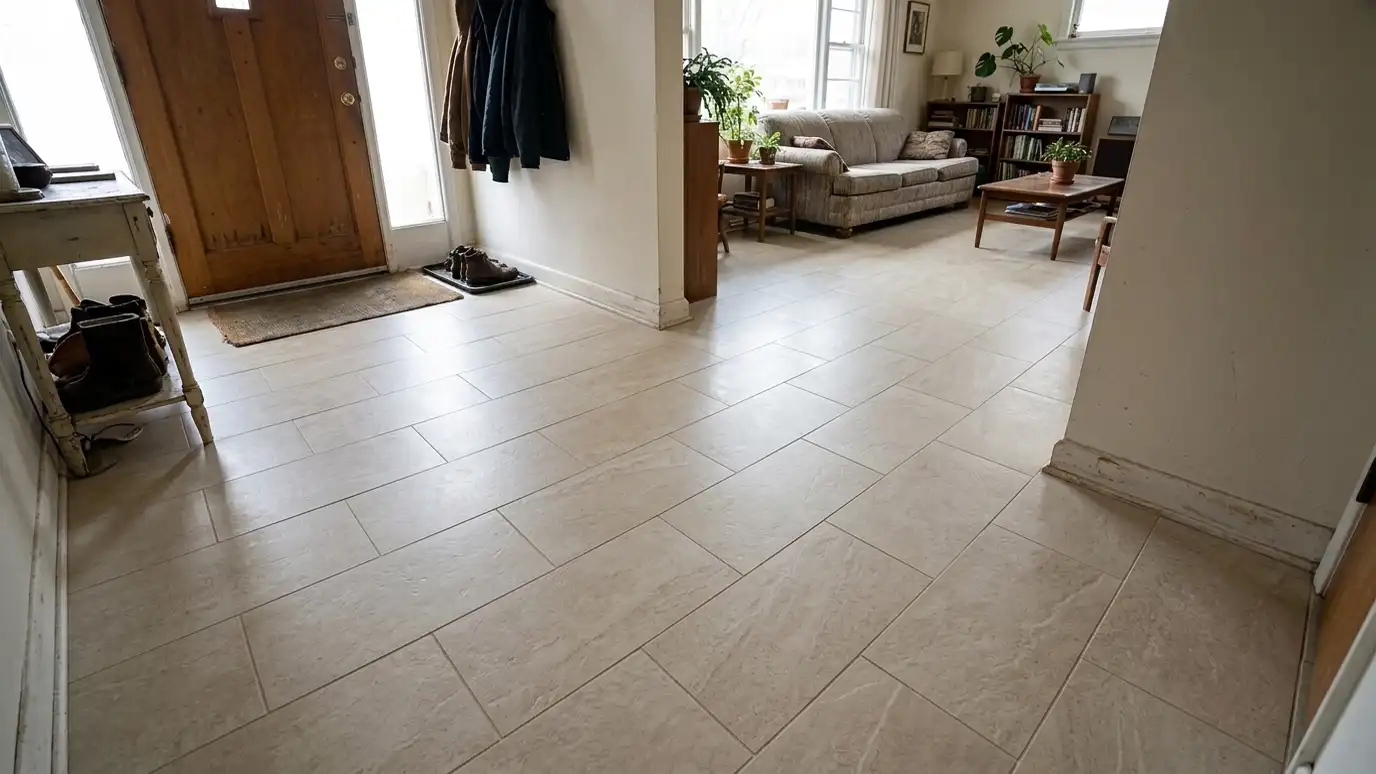
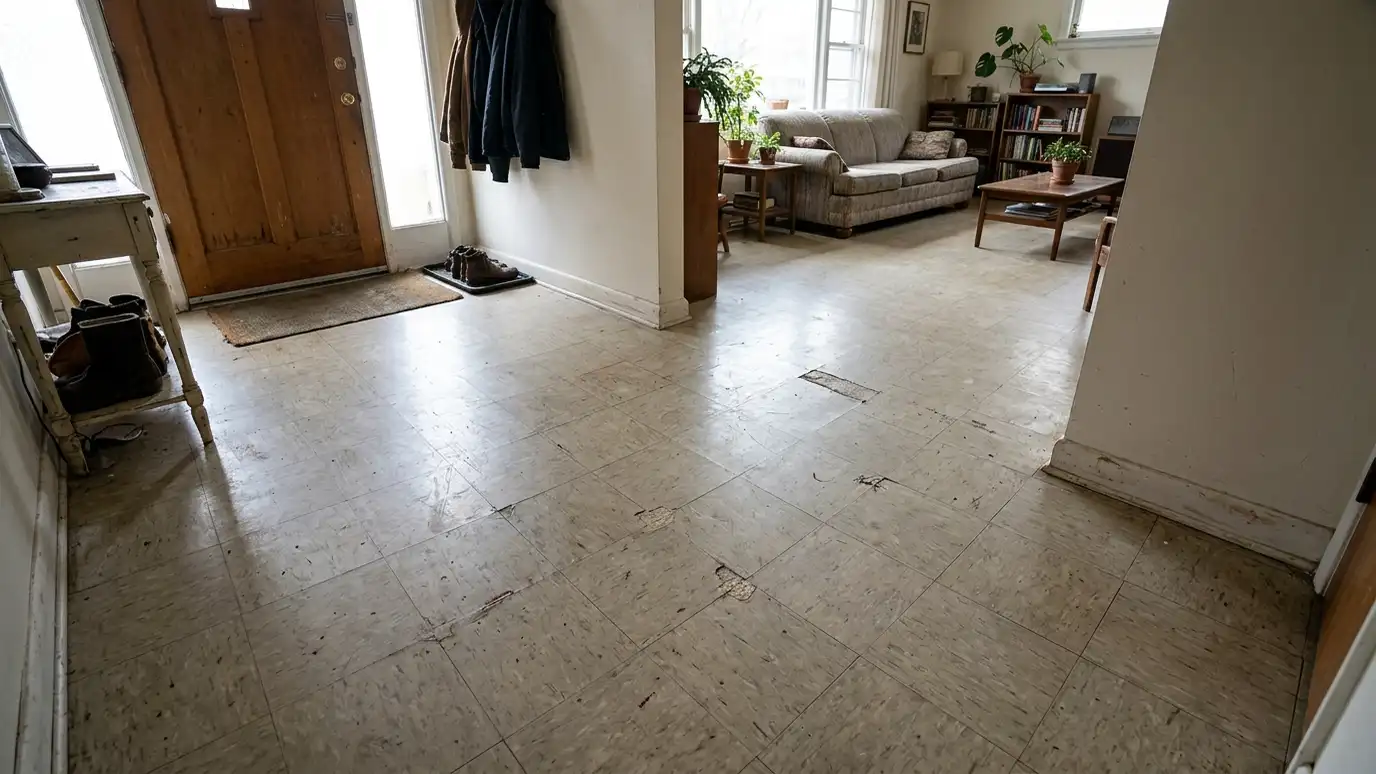 BeforeAfter
Age, drainage and past leaks discussed.
Meter and sheet tests, plus formal tests when needed.
Drainage and grading considered.
Barriers matched to your slab.
We tell you when tile should wait.
Plain words about what they mean.
Every topic has its own page with what to expect and how we approach it.
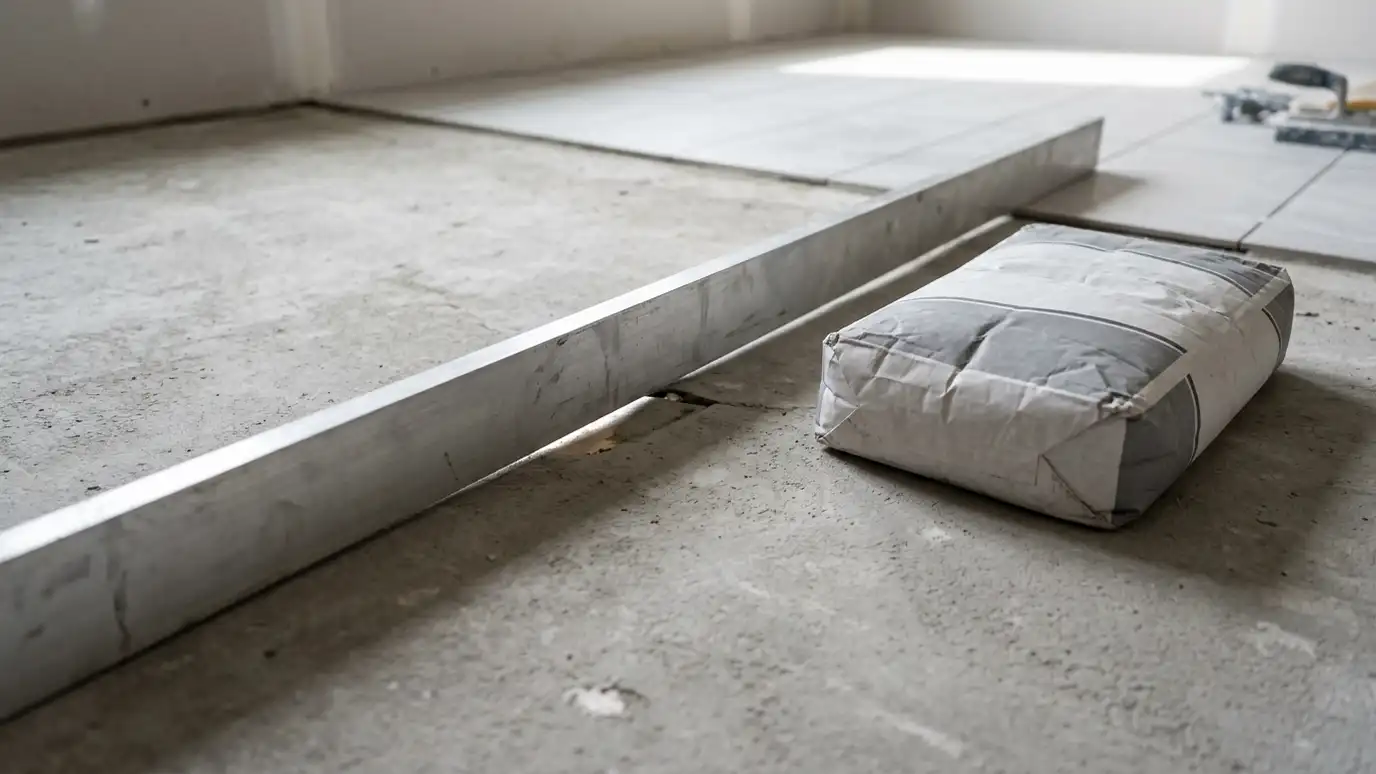 Comparison guideFloor Prep and LevelingWhy tile needs a flat, clean, sound base, how flatness is checked and how leveling compounds and grinding…Learn more
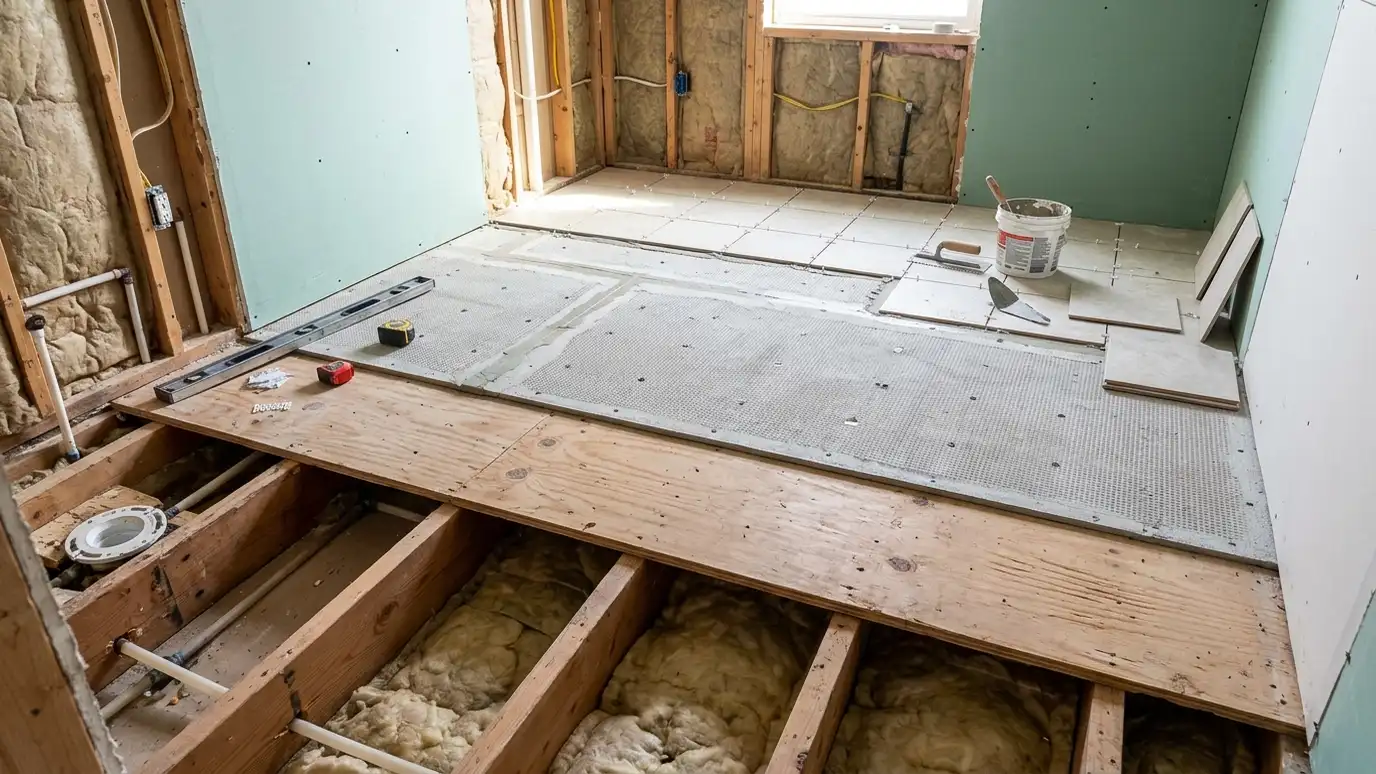 Comparison guideSubfloors and UnderlaymentWhy a stiff subfloor matters for tile, what deflection means and how underlayments and uncoupling layers support floors.Learn more
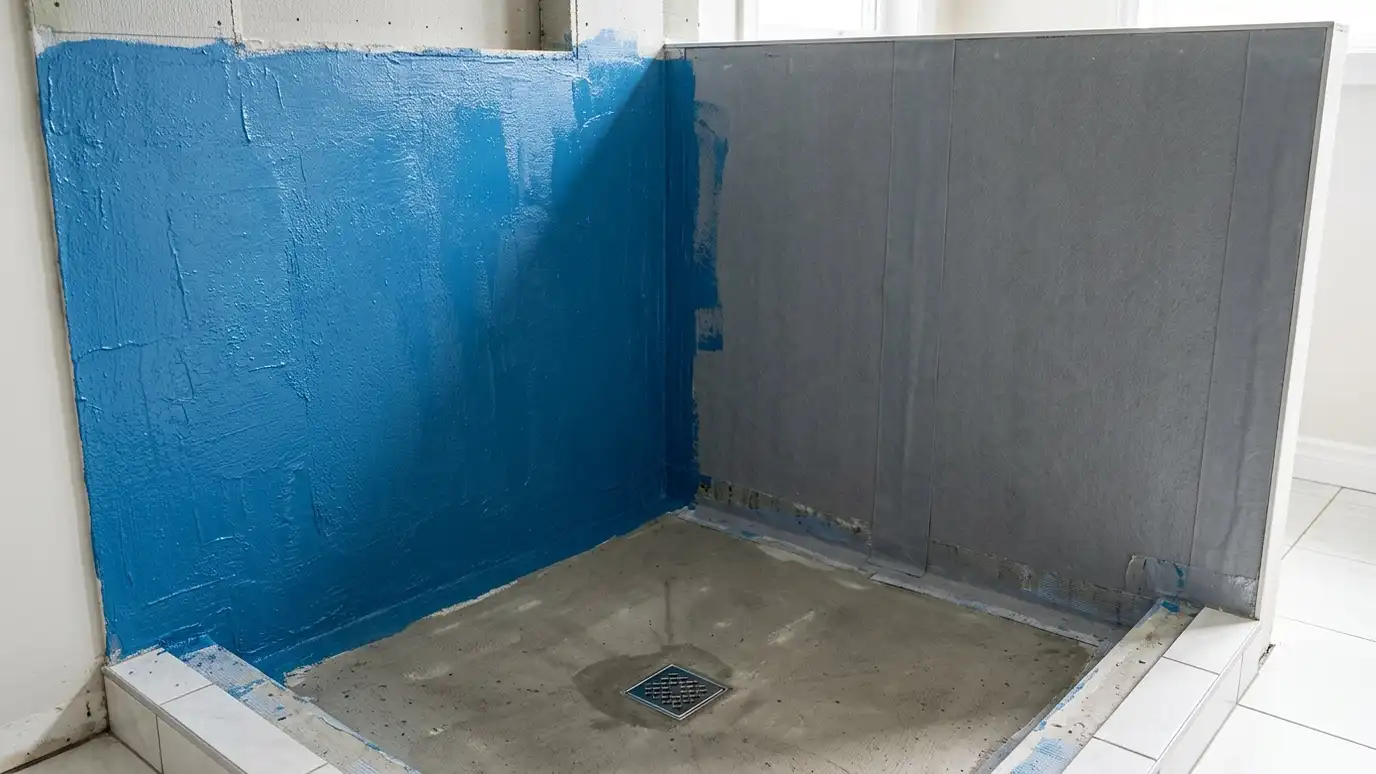 Comparison guideShower Waterproofing ComparedHow sheet membranes, liquid membranes and traditional liners differ in installation, details and what each asks of the…Learn more
Tick what you notice about your floor, wall or shower, from bounce and cracks to dampness and old adhesive, to see what to check before tile.
You tell us the rooms, the tile you like and your timing, and we ask about the floors, walls and any water issues.
We check flatness, moisture and layout from photos or a visit and talk through materials, pattern and trim.
You get a plain written scope with prep, waterproofing, materials, schedule and cure times before anything is ordered.
Old tile comes out, floors are repaired and leveled, backer board and membranes go in and showers are waterproofed and tested.
Tile is set with the right mortar, checked for flatness and alignment and cut carefully at the edges.
We grout, seal and caulk, clean up and walk the finished job with you, leaving written care tips and extra tile.
With a moisture meter, a taped plastic sheet and, when required, formal tests specified by the product maker.
Not reliably. We solve the moisture source or add vapor control before tile.
Fix drainage and leaks first. Tile does not stop water entering a building.
White powdery deposits are a common sign of moisture moving through concrete.
It depends on test results and the setting product. We explain your options.
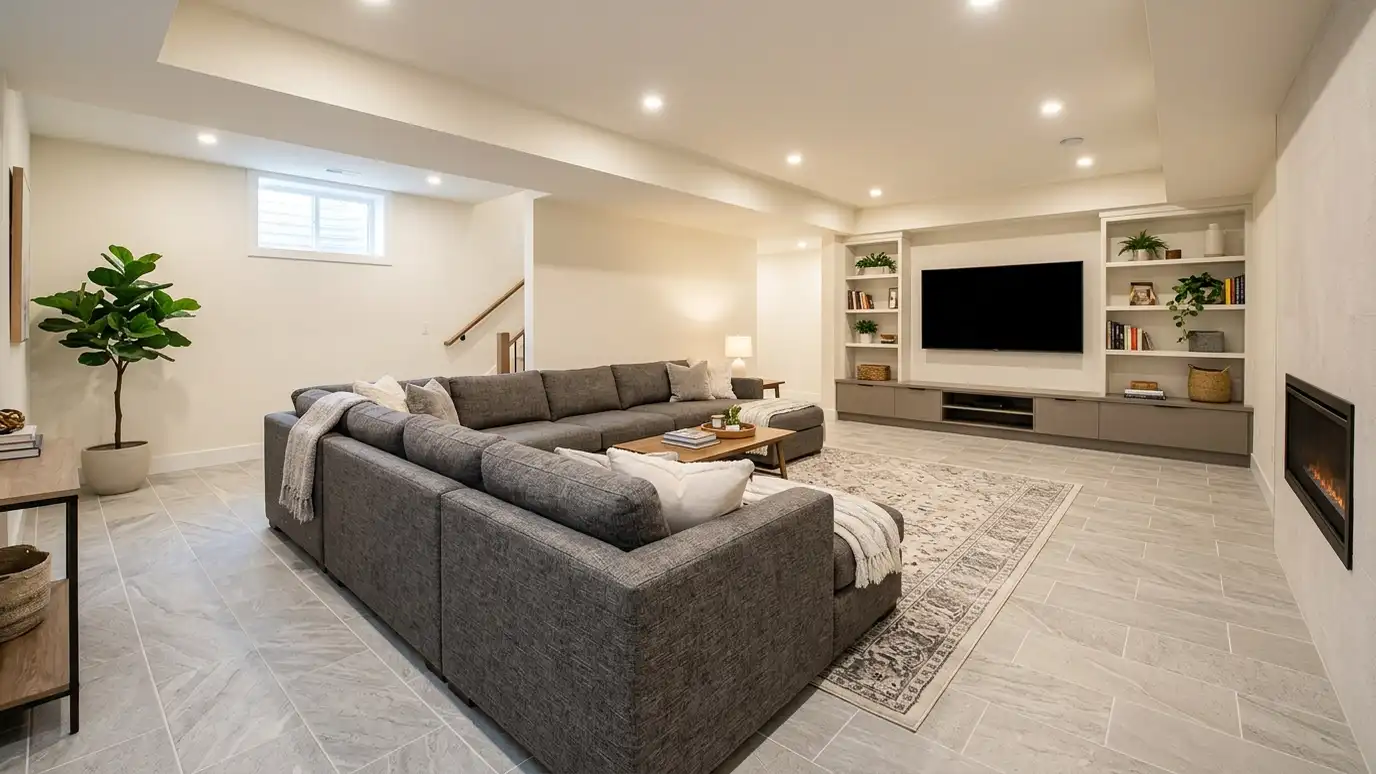 Basement TileBasement tile floors set over concrete with moisture testing, crack protection and a tile choice that handles cool…Explore
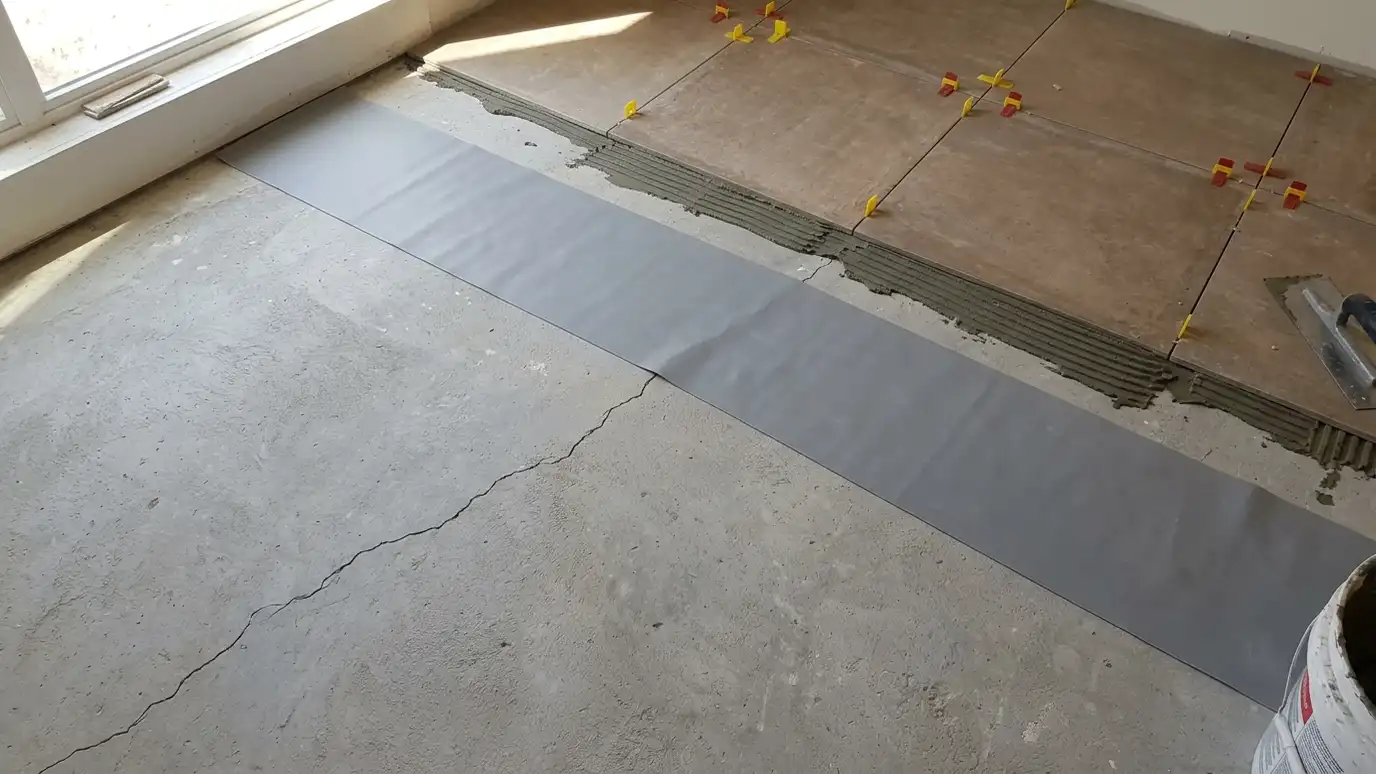 Crack IsolationCrack isolation membranes that bridge hairline cracks and small movements in concrete so they are less likely to…Explore
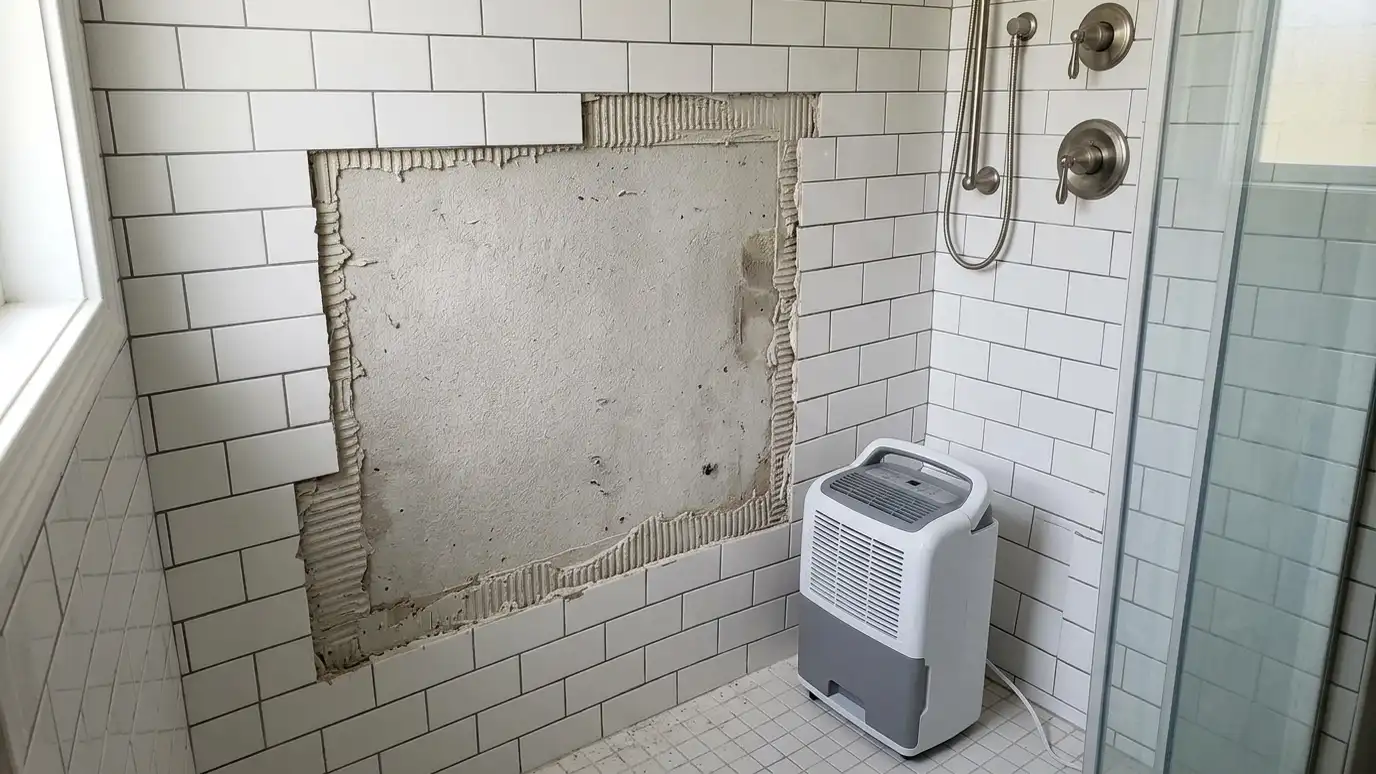 Water Damage RepairWater damage tile repair that opens damaged areas, dries and replaces backing and framing, rebuilds waterproofing and sets…Explore
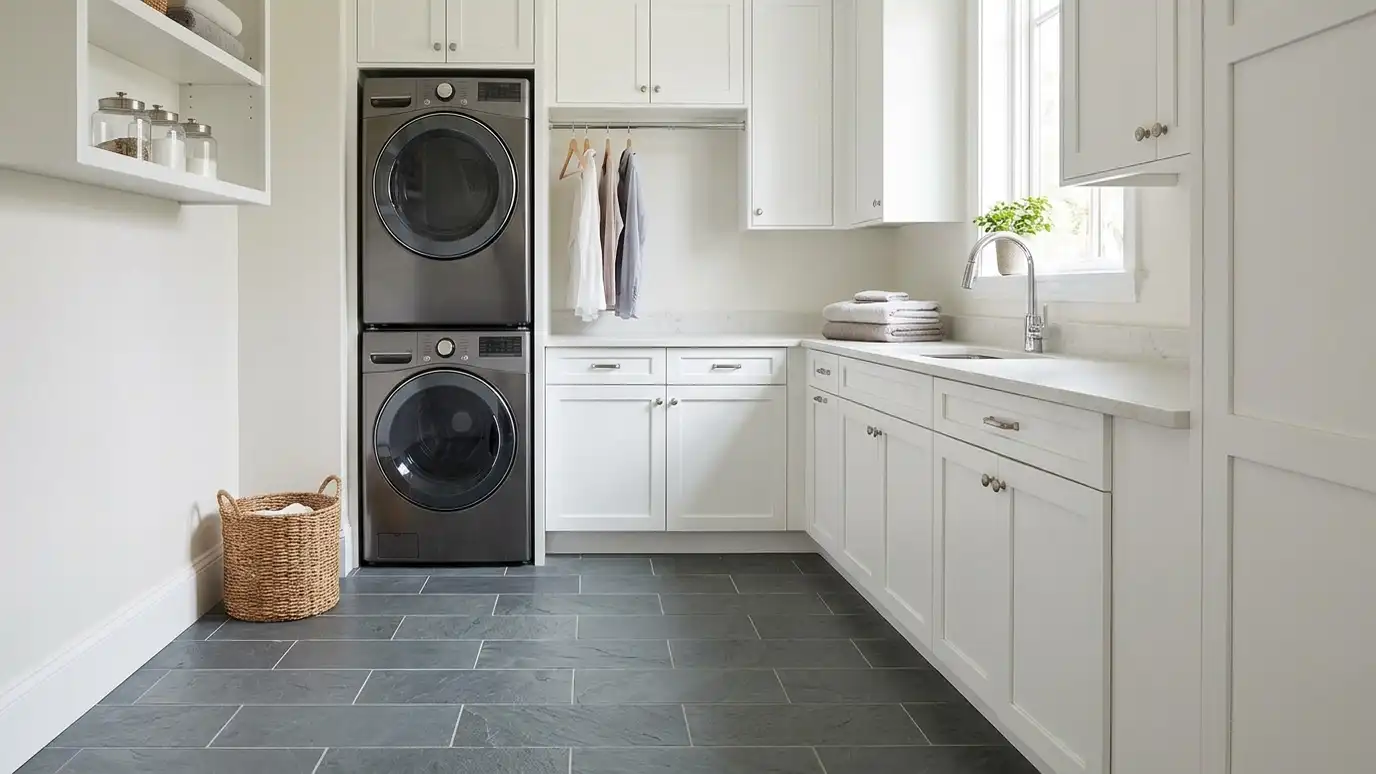 Mudroom and Laundry TileMudroom and laundry room tile that stands up to wet boots, spills and heavy appliances, with practical finishes…Explore
Tell us about your project and we will call you back to set up a visit.
Or call (615) 357-7797 to talk now.