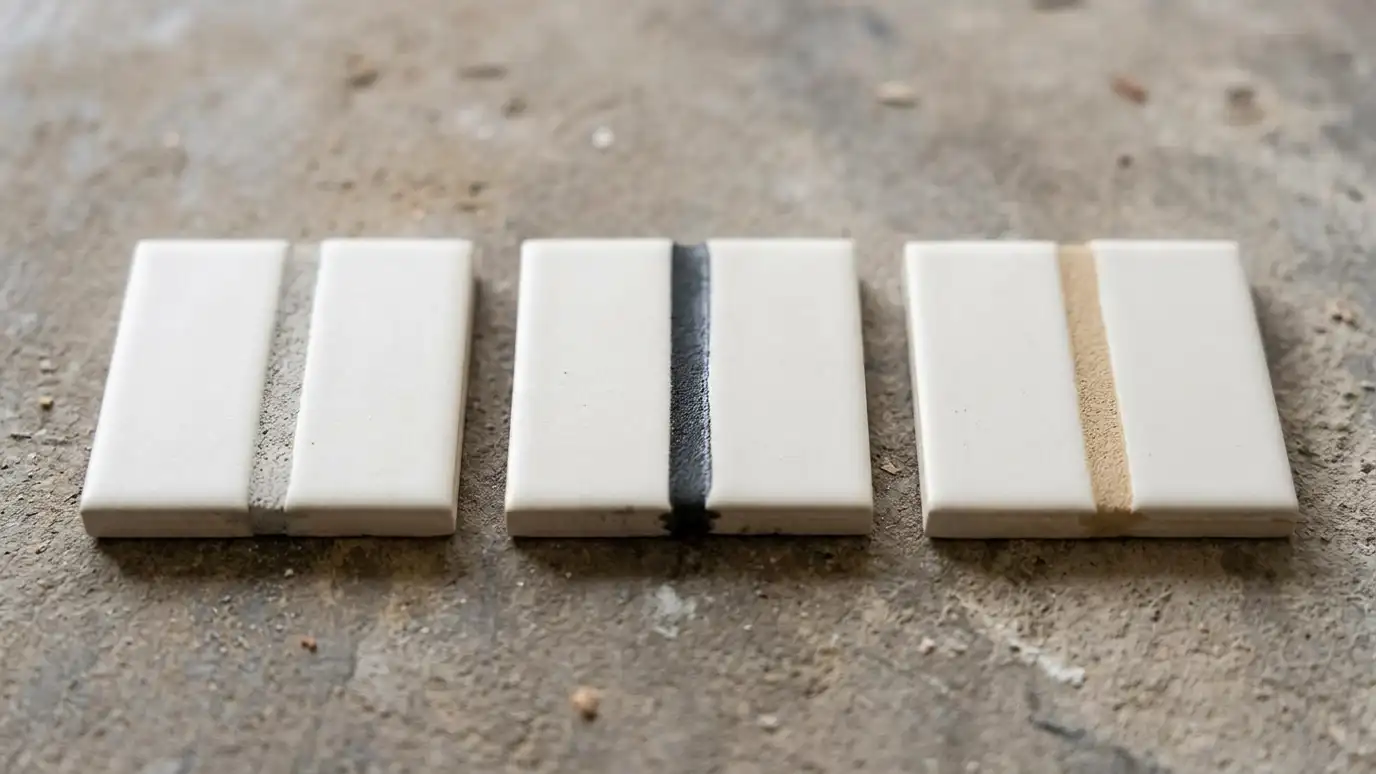
How cement-based, epoxy and urethane grouts differ in stain resistance, flexibility, color, working time and cost of care.
Grout fills the joints between tiles and has a big effect on look and upkeep. Cement-based grout, sanded or unsanded, is the traditional choice. It is porous, so it needs sealing and can stain or darken over time. Epoxy grout is made from resins, does not absorb water or most stains and keeps its color, but it is harder to install. Urethane grout comes premixed, resists staining and offers some flexibility, with its own handling rules.
The best grout depends on the room. Showers, kitchens and busy floors benefit from epoxy or a high-performance grout, while large areas with budget in mind often use cement-based grout and sealer. Homeowners in Nashville also choose color carefully, since light grout can show dirt and dark grout can show soap scum. We bring samples, test them next to your tile and explain joint width and maintenance for each option.
Traditional, porous and needs sealing.
Stain-resistant and very durable.
Premixed with stain resistance and some flexibility.
Test samples next to your real tile.
Affects strength, look and cleaning.
Flexible joints where surfaces move.
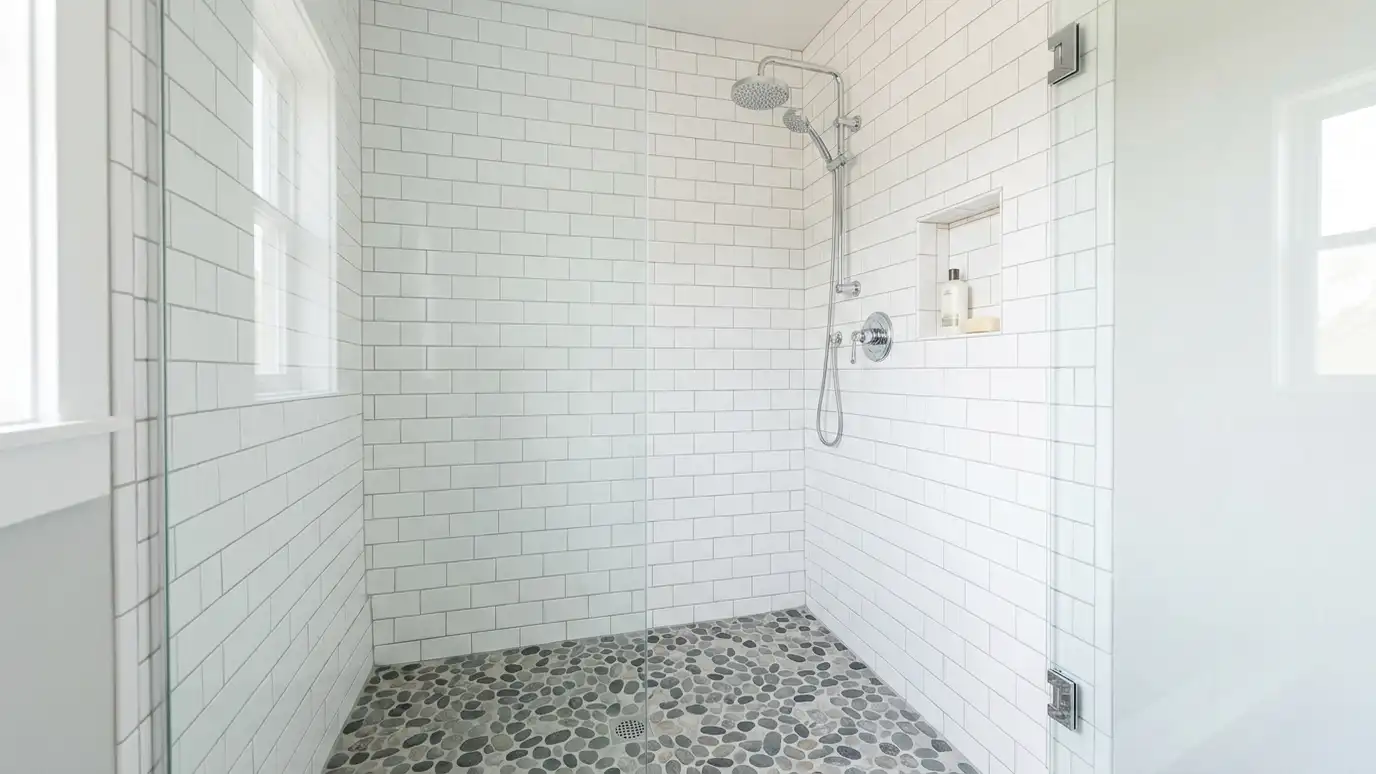 Shower TileShower tile installation with careful slope, waterproofing and layout so walls, floor, corners and niches stay tight and…Explore
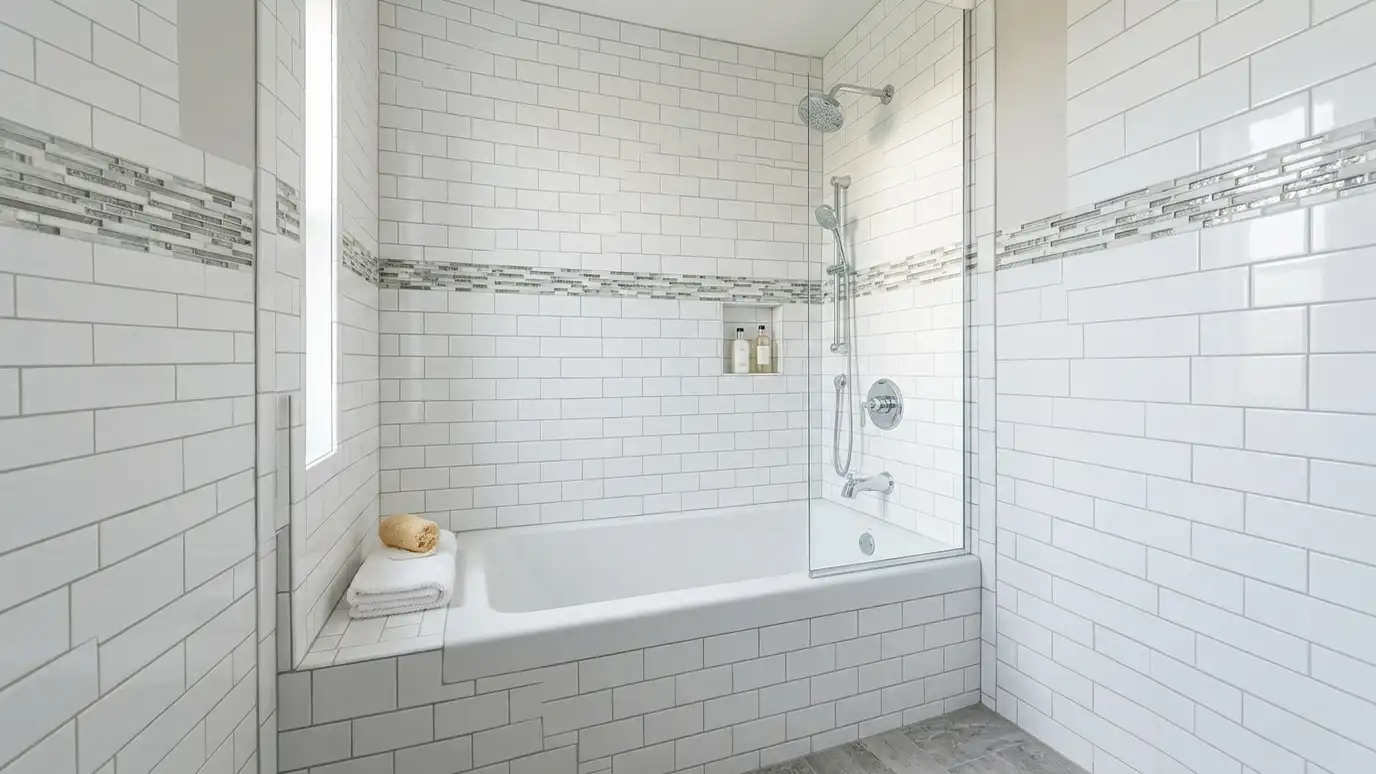 Tub SurroundsTub surround tile that covers the wall around a bathtub with waterproofed backing, clean corner details and a…Explore
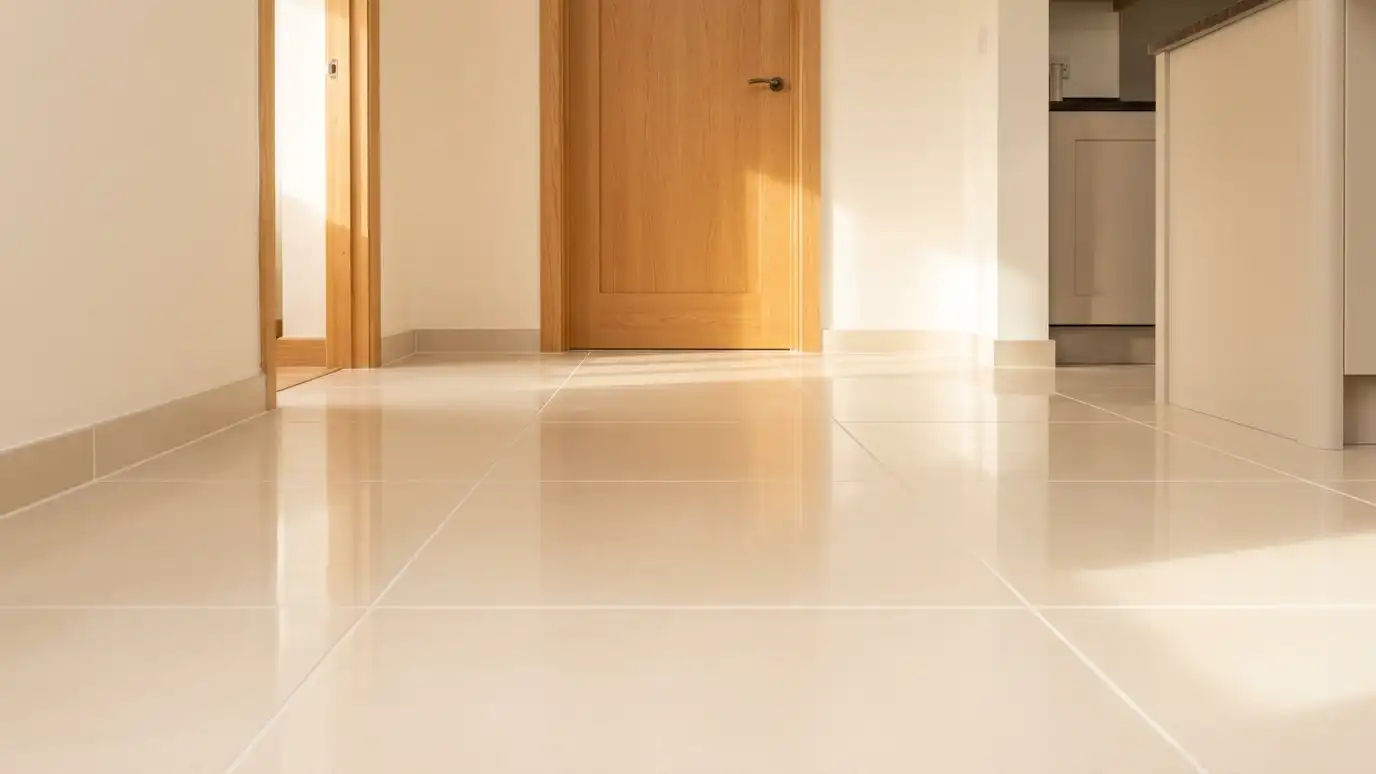 Ceramic FloorsCeramic tile floors in classic glazed colors and patterns for entries, kitchens and light-use rooms, with careful setting…Explore
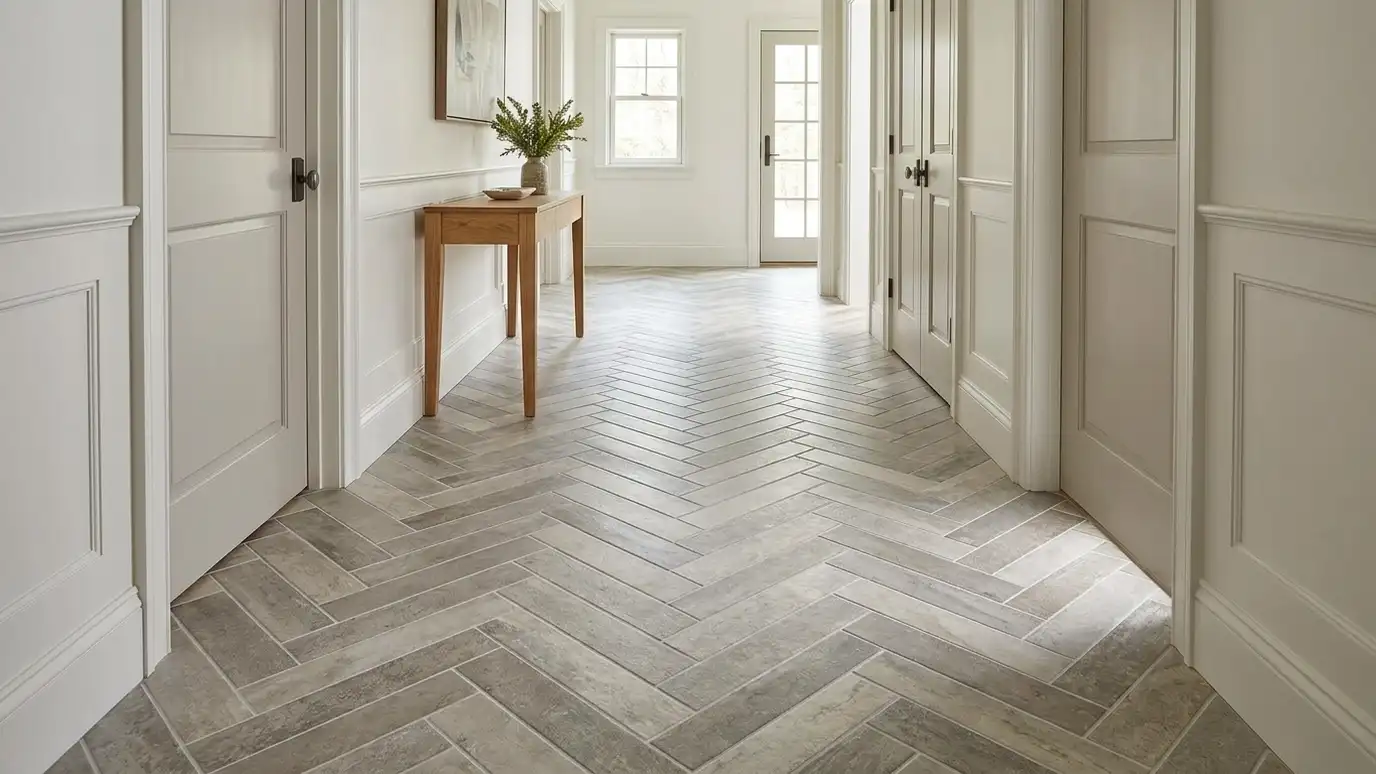 Pattern FloorsHerringbone and pattern floors in tile, including chevron, basket weave, offset and mixed-size layouts that add a custom…Explore
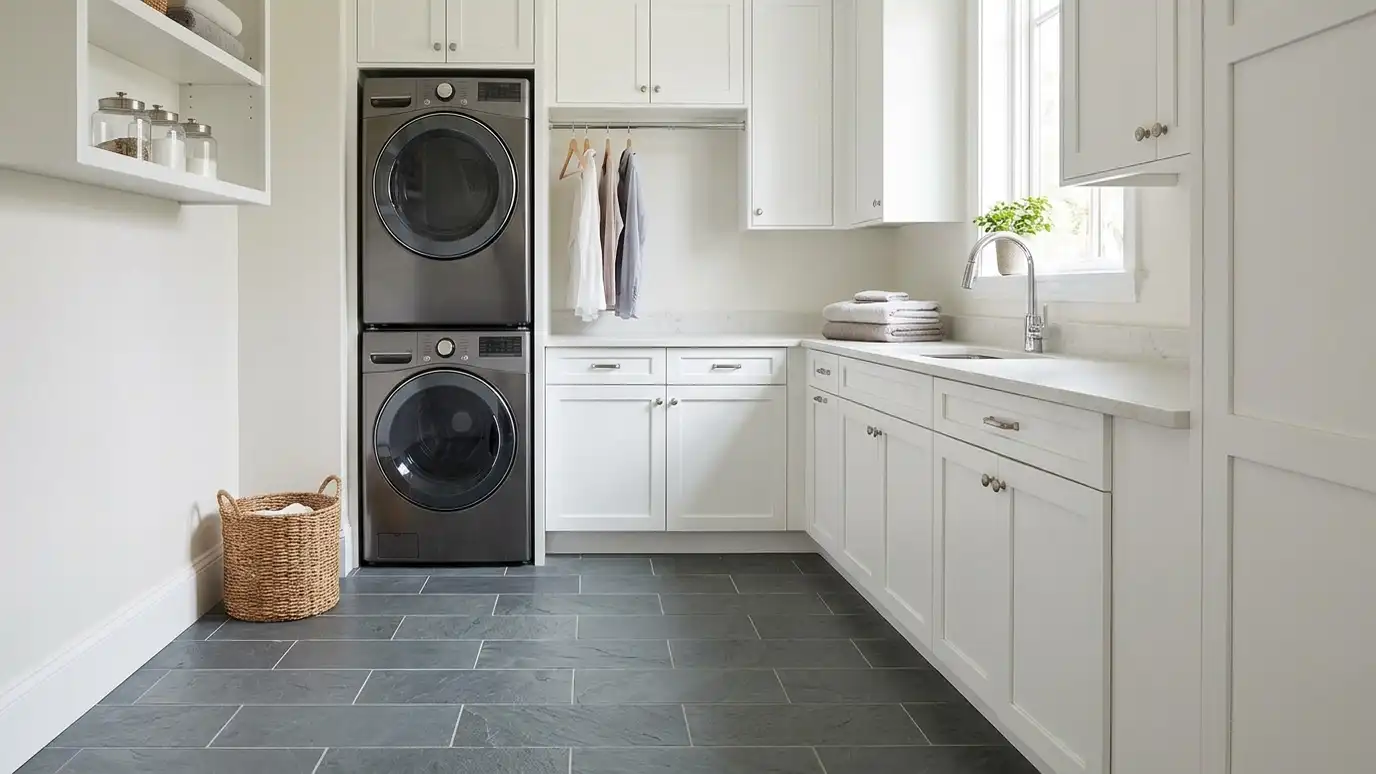 Mudroom and Laundry TileMudroom and laundry room tile that stands up to wet boots, spills and heavy appliances, with practical finishes…Explore
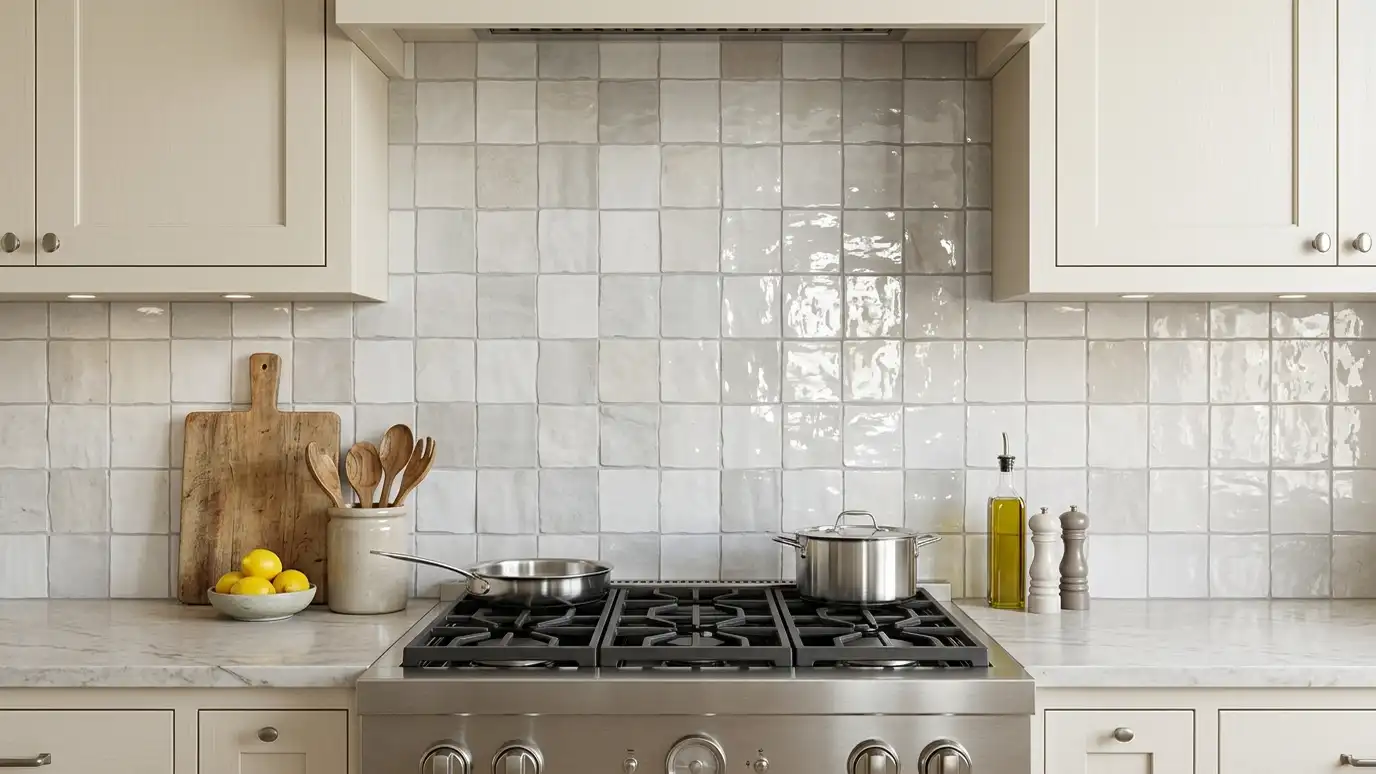 Kitchen BacksplashesKitchen backsplash installation in subway, handmade-look, glass, stone and patterned tile, planned around outlets, windows and cabinets for…Explore
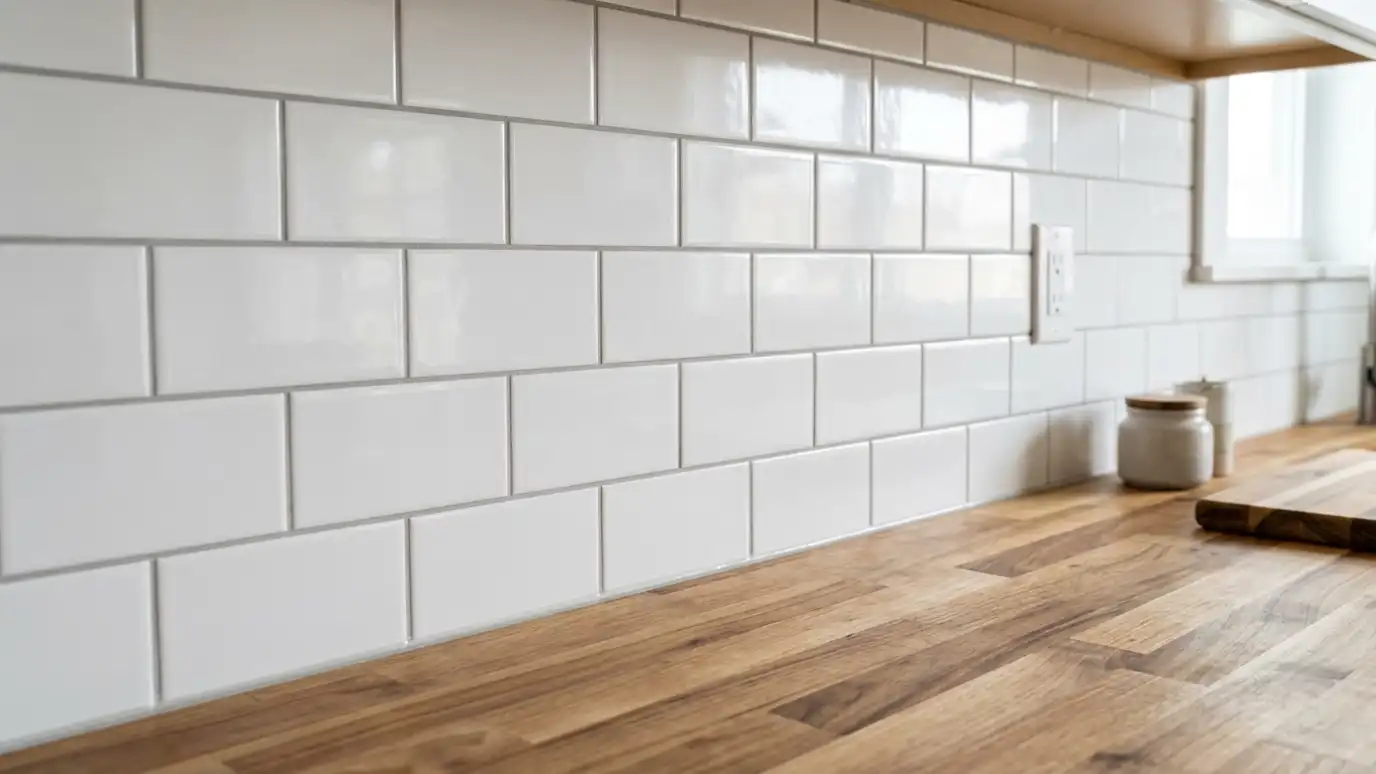 Subway Tile BacksplashesSubway tile backsplash installation in classic running bond, stacked, herringbone and vertical layouts, with crisp lines and grout…Explore
 Mosaic and Glass TileMosaic and glass tile installation on sheets or individual pieces, with the right adhesive, clean cuts and grout…Explore
Plan your layout, pick a size or ballpark a budget.
 Tile Layout StudioSet your room, pick a tile size and a pattern such as straight, offset, diagonal or herringbone and see a top-down plan with full and cut tiles, then send the plan to us.Try it
 Tile Size and Format PickerPick the space and the conditions to see which tile format, grout joint and finish usually fit, with notes on flatness and grip.Try it
 Tile Project Budget PlannerPick a shower, floor, backsplash, patio or repair project, set the area and add allowances like leveling, waterproofing and heated floors to see a ballpark planning range. Placeholder values only.Try it
For showers, kitchens and busy floors it can be, because it resists stains and moisture well.
Yes, usually, and it needs renewing over time.
Corners move, and rigid grout cracks there. Flexible caulk handles the movement.
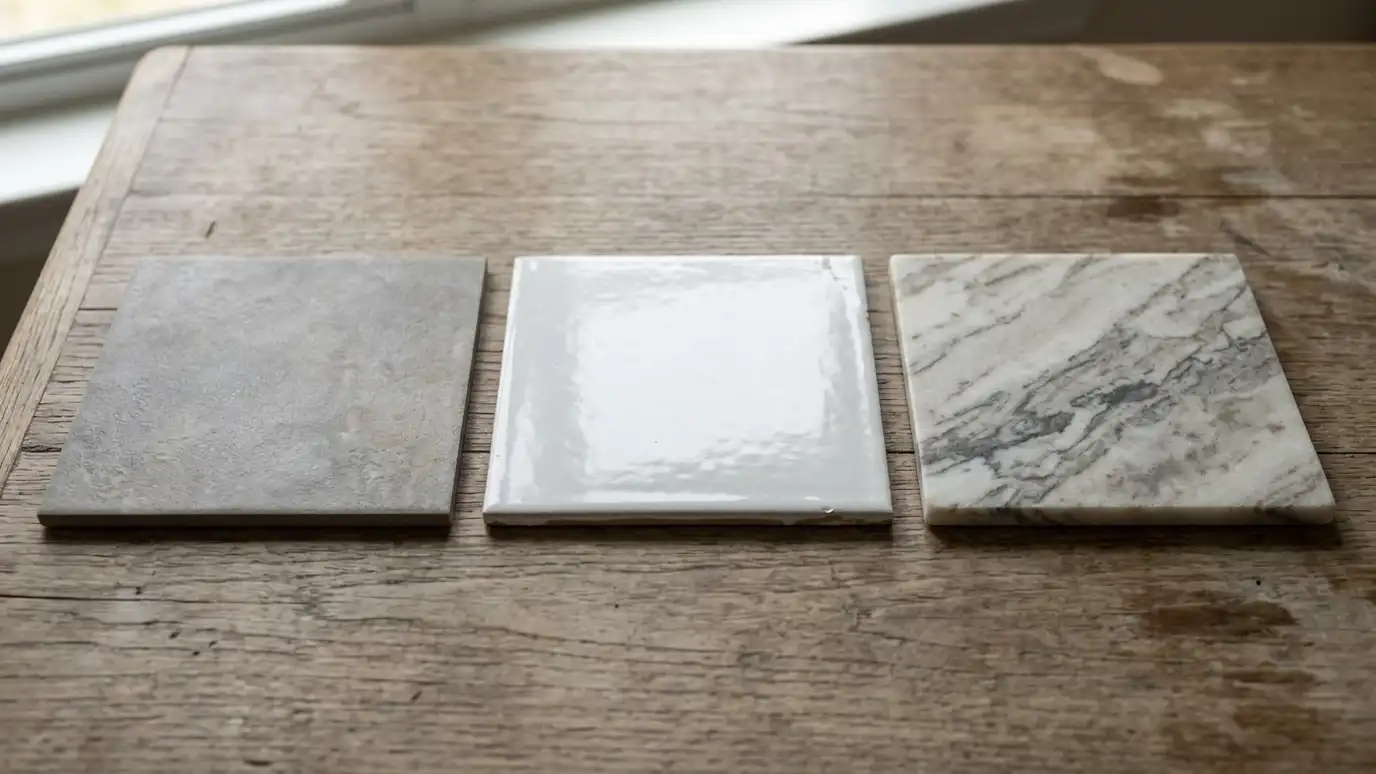 Comparison guidePorcelain, Ceramic and StoneHow the three main tile families differ in density, water absorption, wear, care and the looks they offer.Learn more
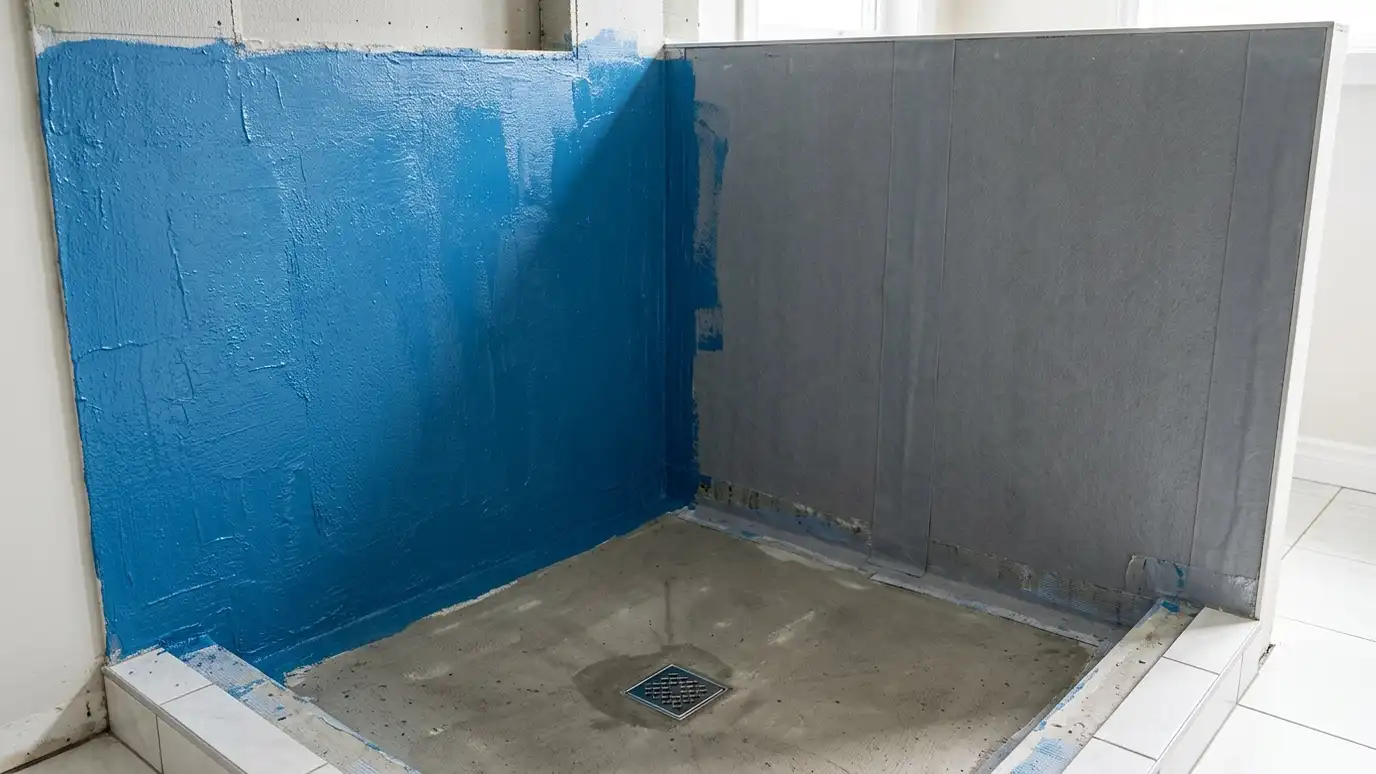 Comparison guideShower Waterproofing ComparedHow sheet membranes, liquid membranes and traditional liners differ in installation, details and what each asks of the…Learn more
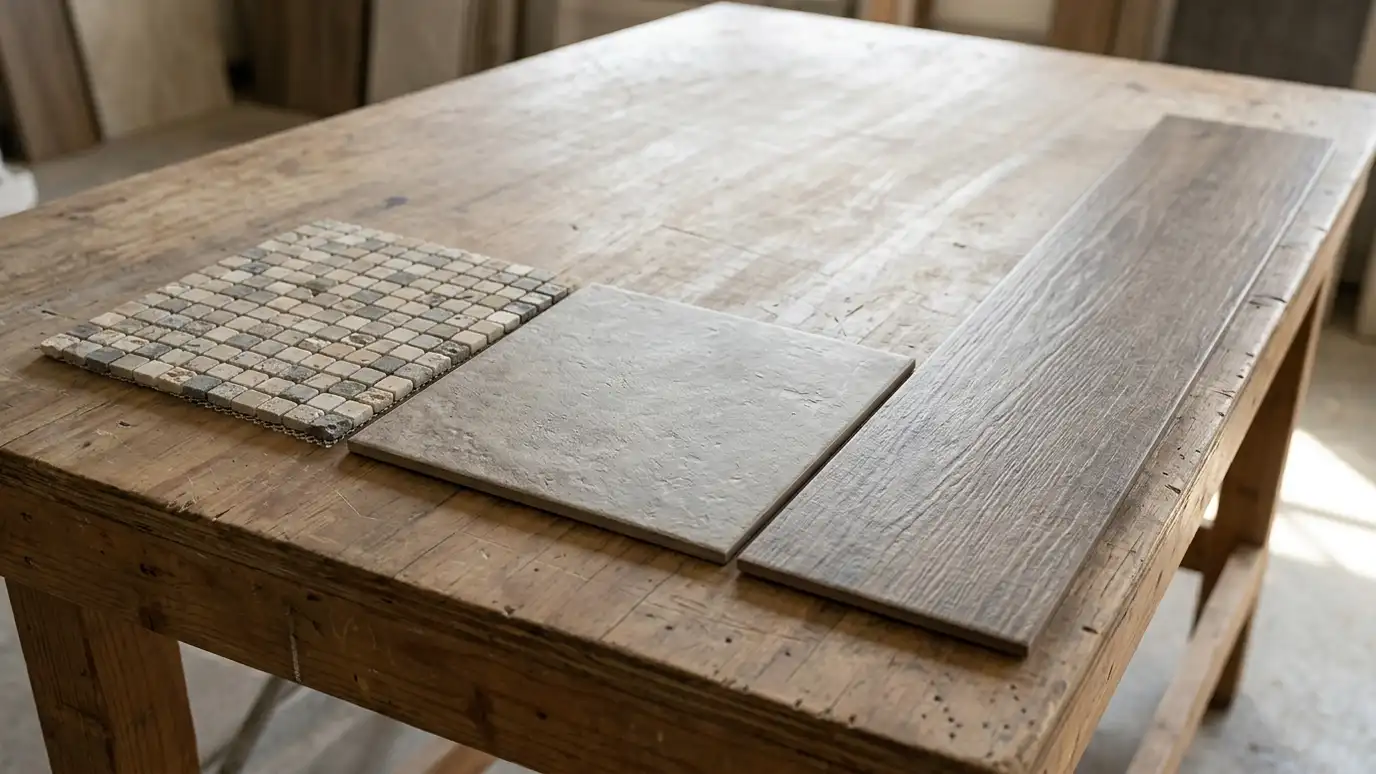 Comparison guideTile Size and Grout LinesHow mosaics, standard tile and large-format tile change the look, the grout lines, the installation and the cleaning.Learn more
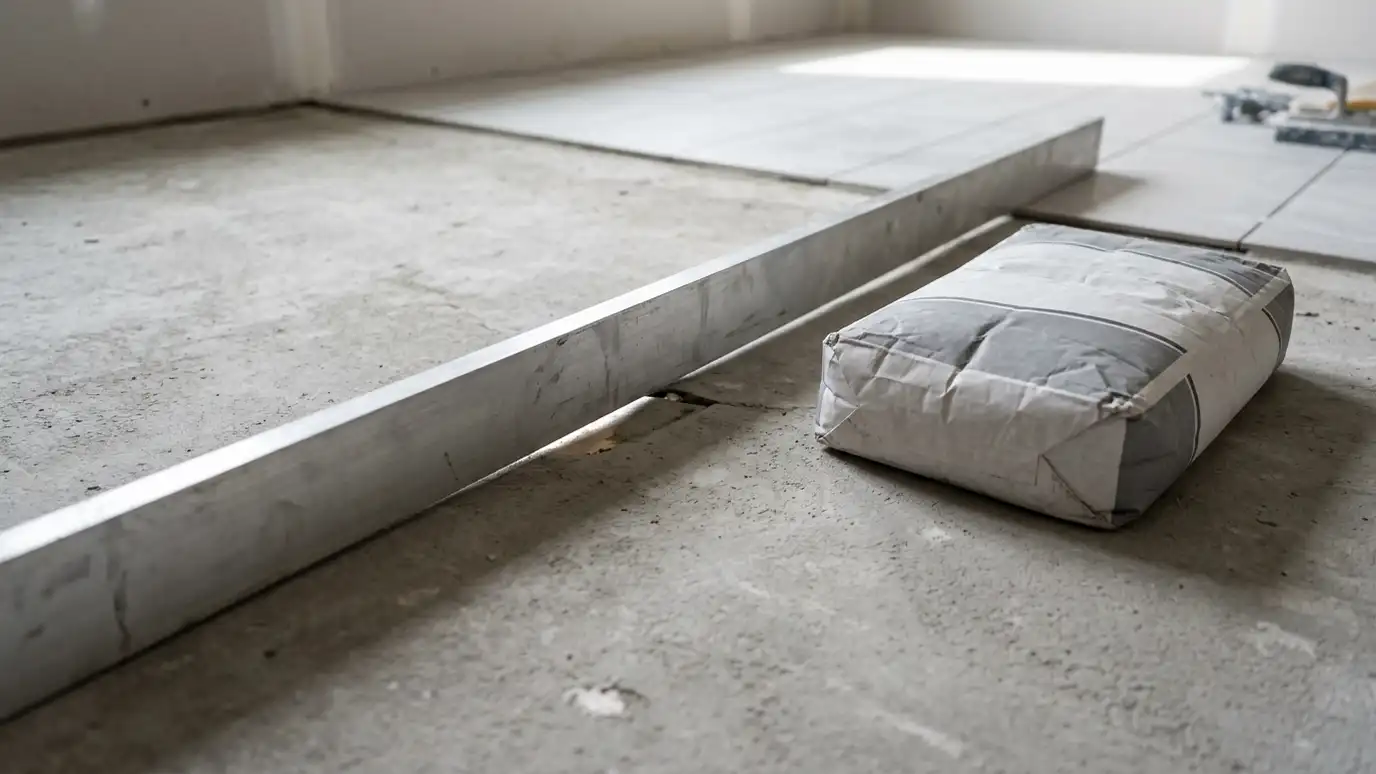 Comparison guideFloor Prep and LevelingWhy tile needs a flat, clean, sound base, how flatness is checked and how leveling compounds and grinding…Learn more
Call us and describe your project. We will measure, check the surfaces and give you a clear written estimate.