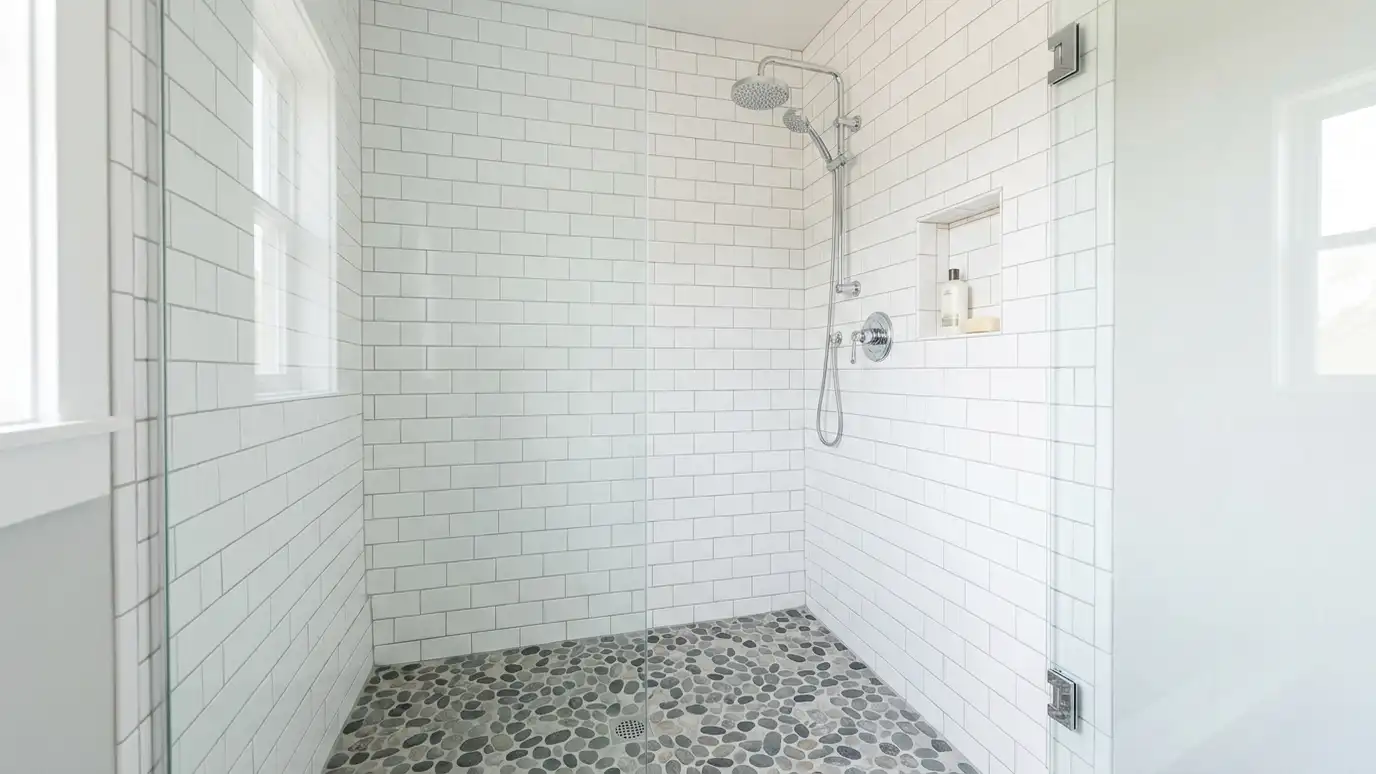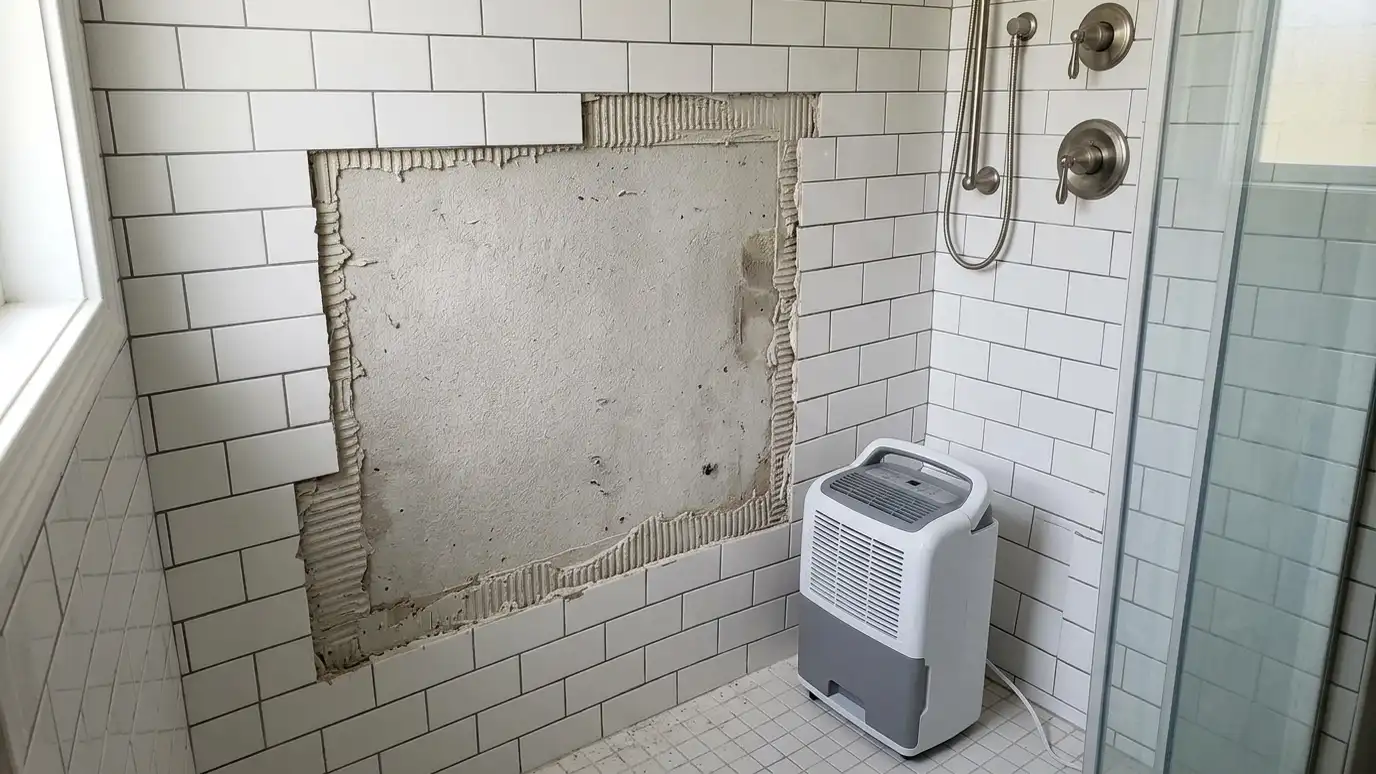
Tile is not waterproof
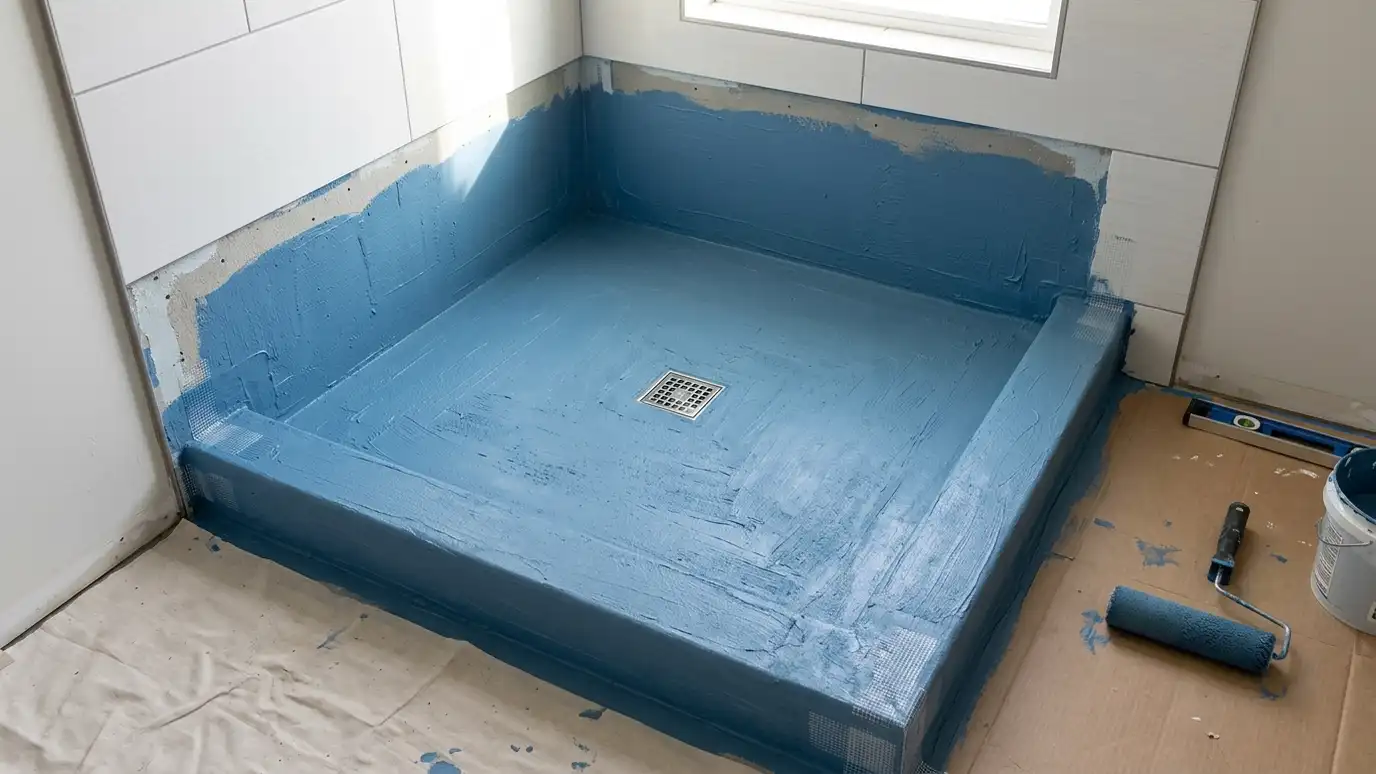
Tile and grout slow water but do not stop it. A waterproof layer behind the tile does the real work.
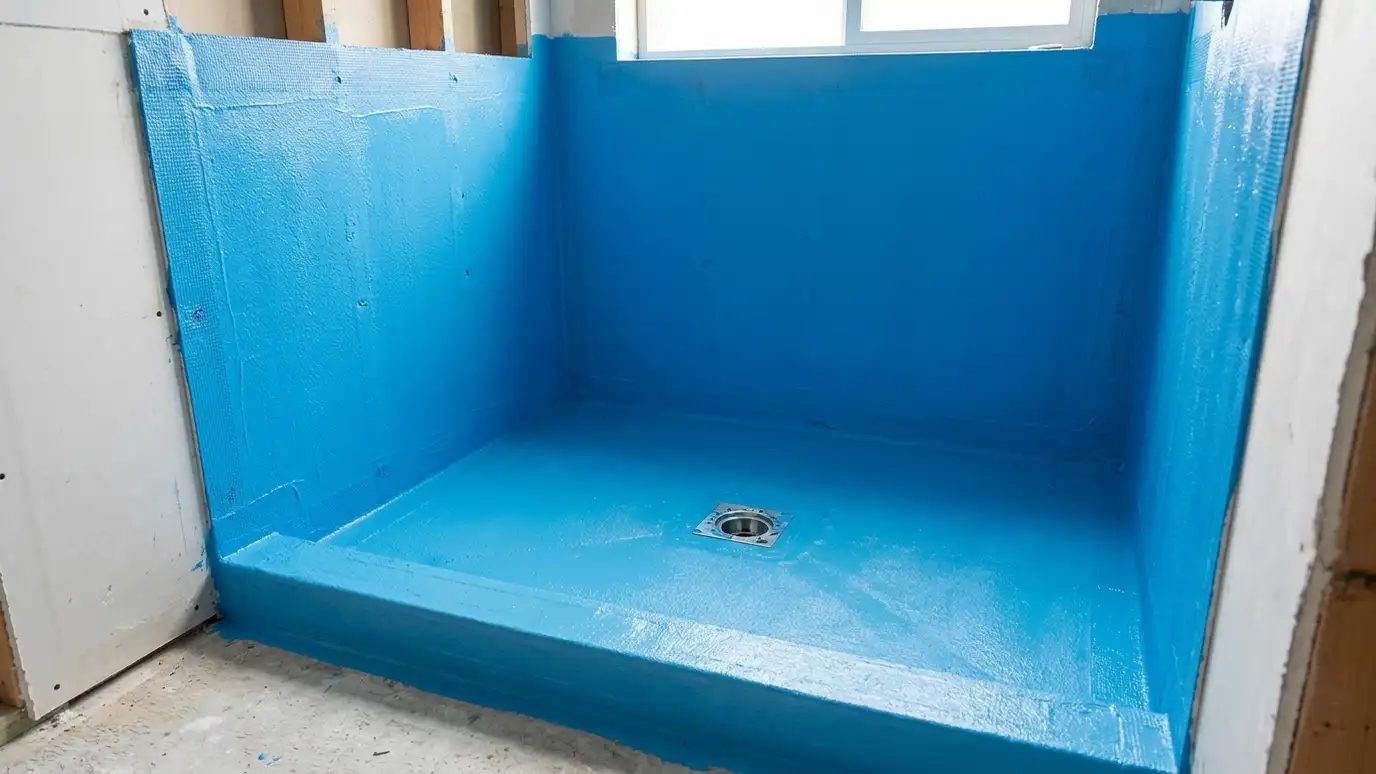
Sheet and liquid membranes both work when installed as the maker directs.
Backer board and foam boards need sealed seams.
Slope matters
A shower floor needs a steady slope to the drain, and the waterproofing layer under the tile needs that slope too, not just the surface.
Standing water leads to stains and mildew.
Pre-slope and final slope are both checked.
Corners, seams and penetrations
Leaks start at corners, seams, valves and niches. Preformed corners, banding and sealed penetrations protect those spots.
Details are photographed before tile covers them.
Ask to see them.
Drains and curbs
A drain connects the membrane to the plumbing, and the clamping detail has to be done right. Curbs and thresholds need to be waterproofed and sloped inward.
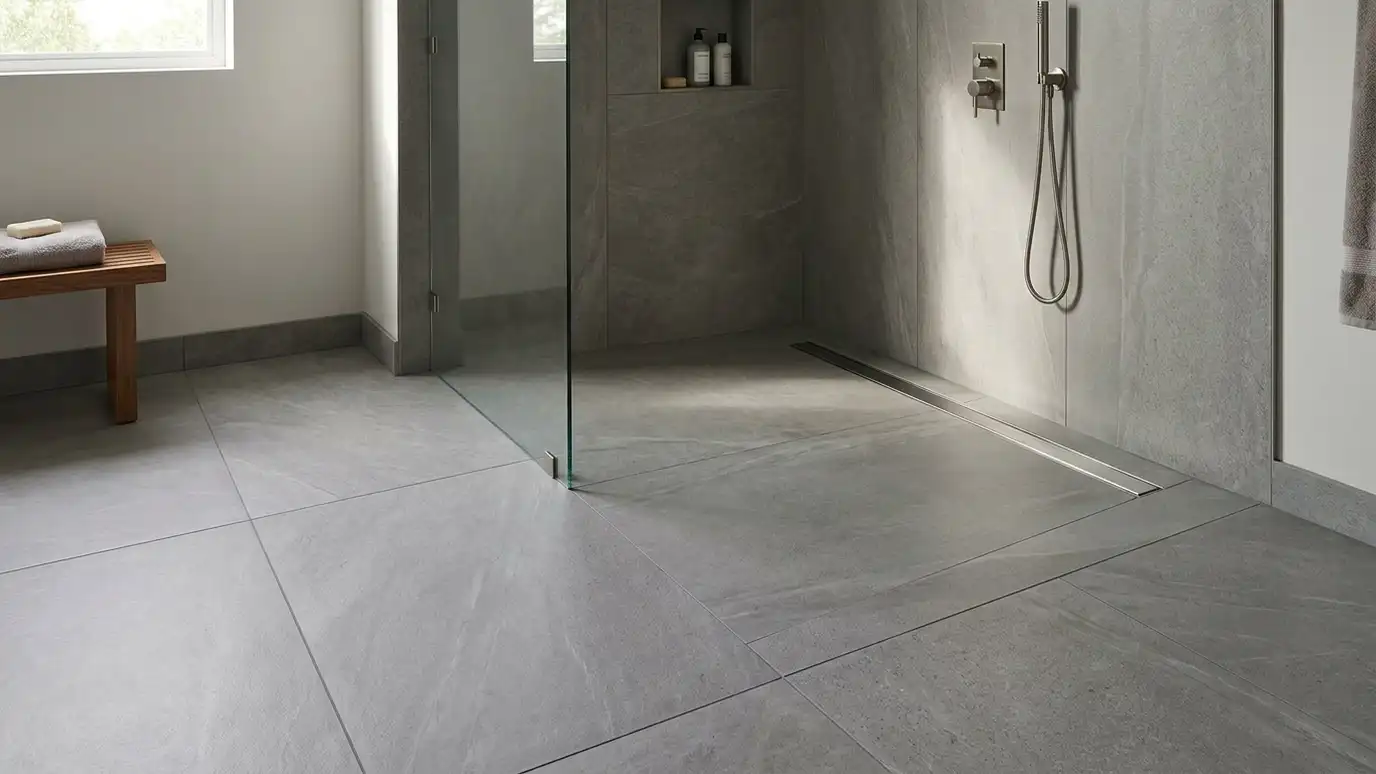
Linear drains allow a single slope across the floor.
Curbless showers need extra planning.
Flood tests
Filling the pan with water for a set time shows whether it holds before tile goes down. It is a simple step that avoids heartbreak.
We discuss it in the scope.
A passed test gives real peace of mind.
Grout, caulk and care
Cement grout needs sealing, and corners need flexible caulk that is renewed when it ages. Ventilation helps the whole shower last.
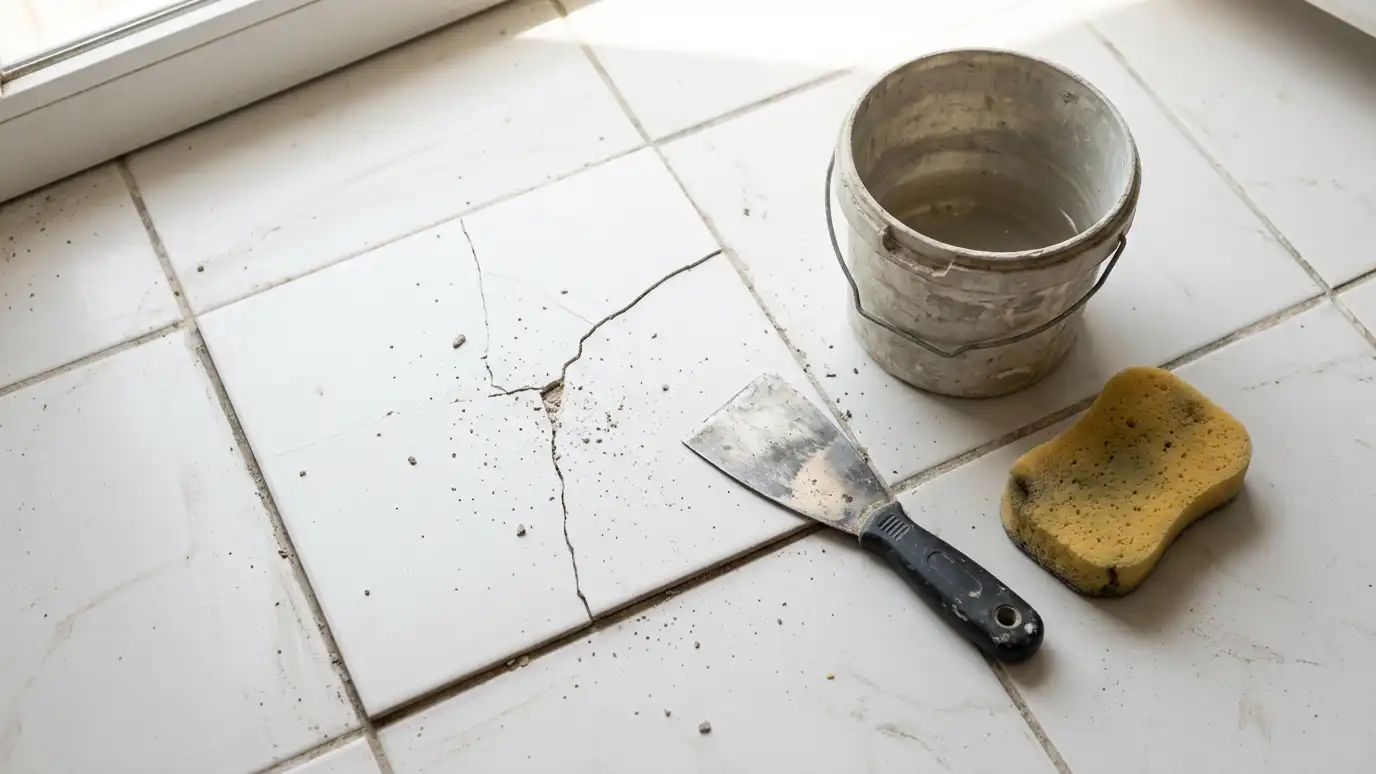
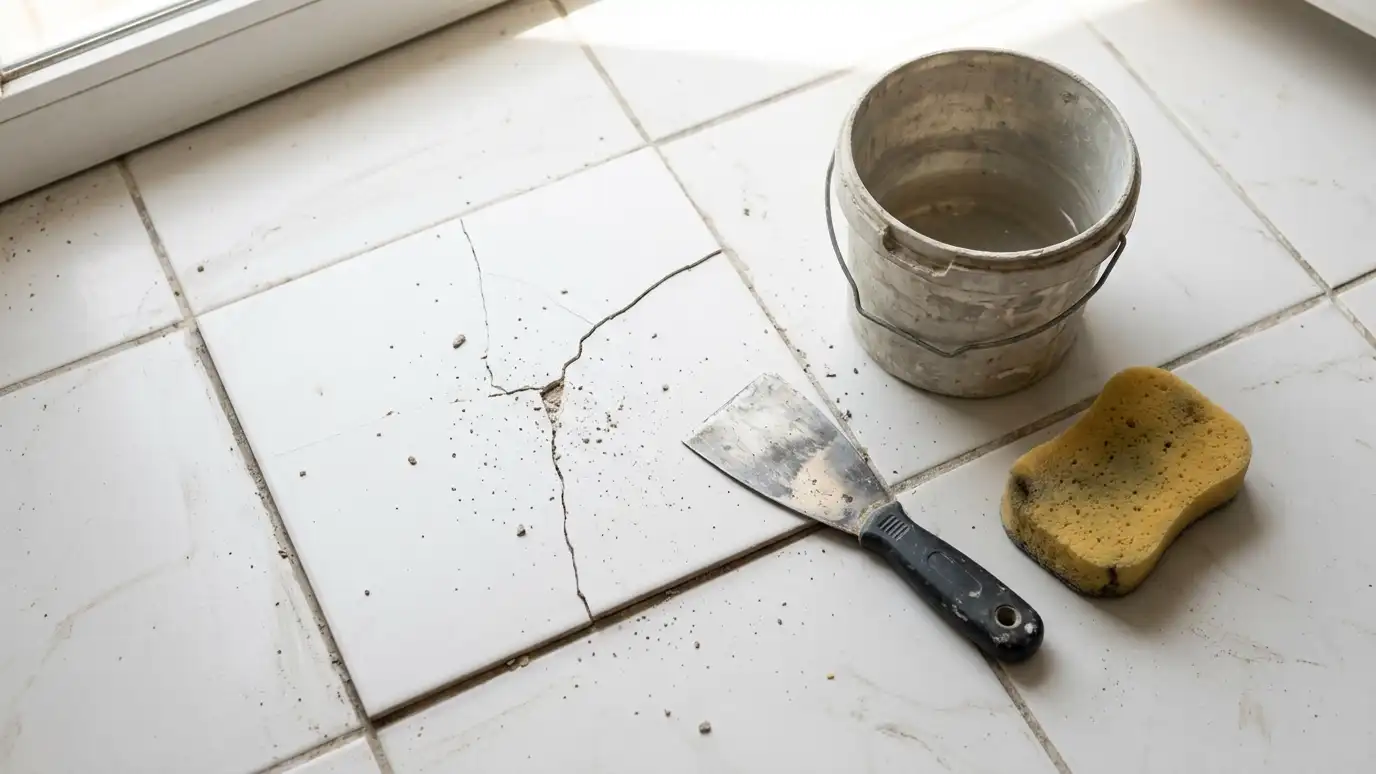
Small cracks should be repaired early.
Our care guide covers a simple routine.
Ask to see the waterproofing details before tile covers them, and consider a flood test.