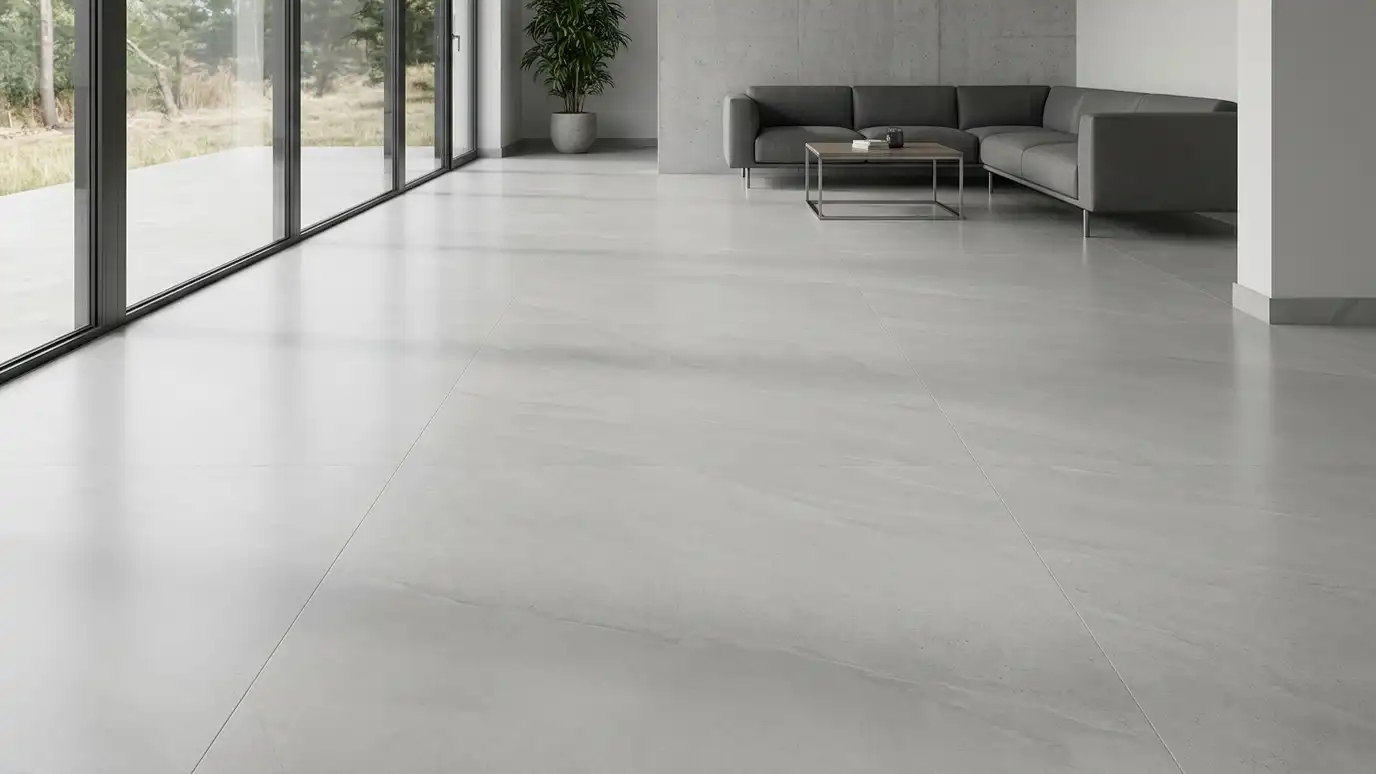
Large-format tile floors with very flat substrates, careful setting and minimal grout lines for a clean, modern look in open rooms.
Big tiles make a room feel bigger and calmer. With fewer grout lines, the floor reads as a single surface, and the effect is especially striking in open living areas. Homeowners in Nashville love the look of large-format porcelain, but the installation is more demanding. Large tiles show every dip in the floor and need full, even support from the mortar underneath.
A floor that works for a small tile may not be flat enough for a large one. We measure flatness and, where needed, correct it with leveling compound or by grinding. We use a mortar suited to heavy, large tile and a trowel that gives full coverage, and we check coverage by lifting a tile now and then. Leveling clips or a similar system keep edges flush. We also plan layout so cuts at the walls are balanced and the pattern looks intentional, and we explain what grout width suits your tile. Tell us the access route into the room, since large tiles are heavy and awkward to carry through narrow doors and turns. Tile boxes can weigh a lot. We also check elevator and stair constraints in condos and townhomes so delivery and handling are planned before the work begins.
Dips are corrected before large tile.
Mortar contact checked under big tiles.
Leveling systems keep tile faces even.
Wall cuts planned for symmetry.
Drag the handle to compare.
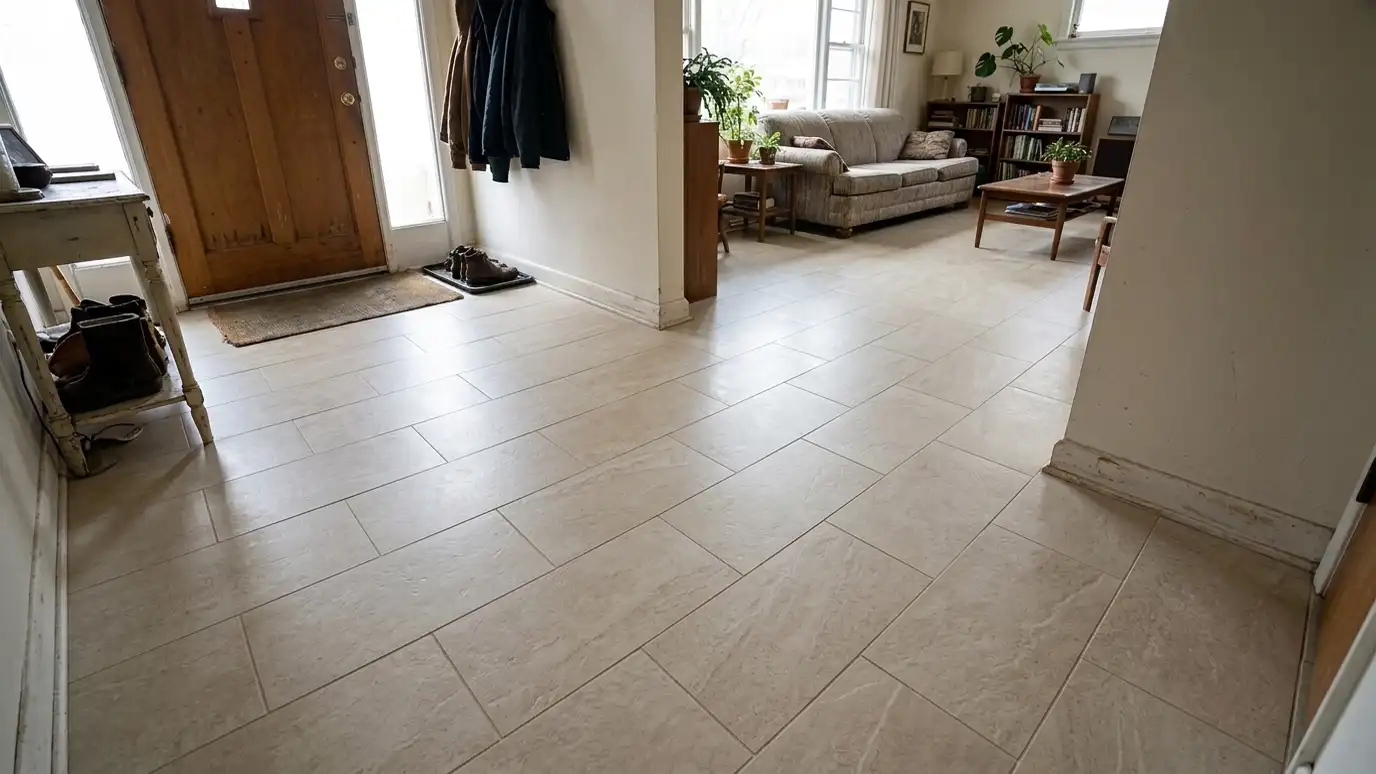
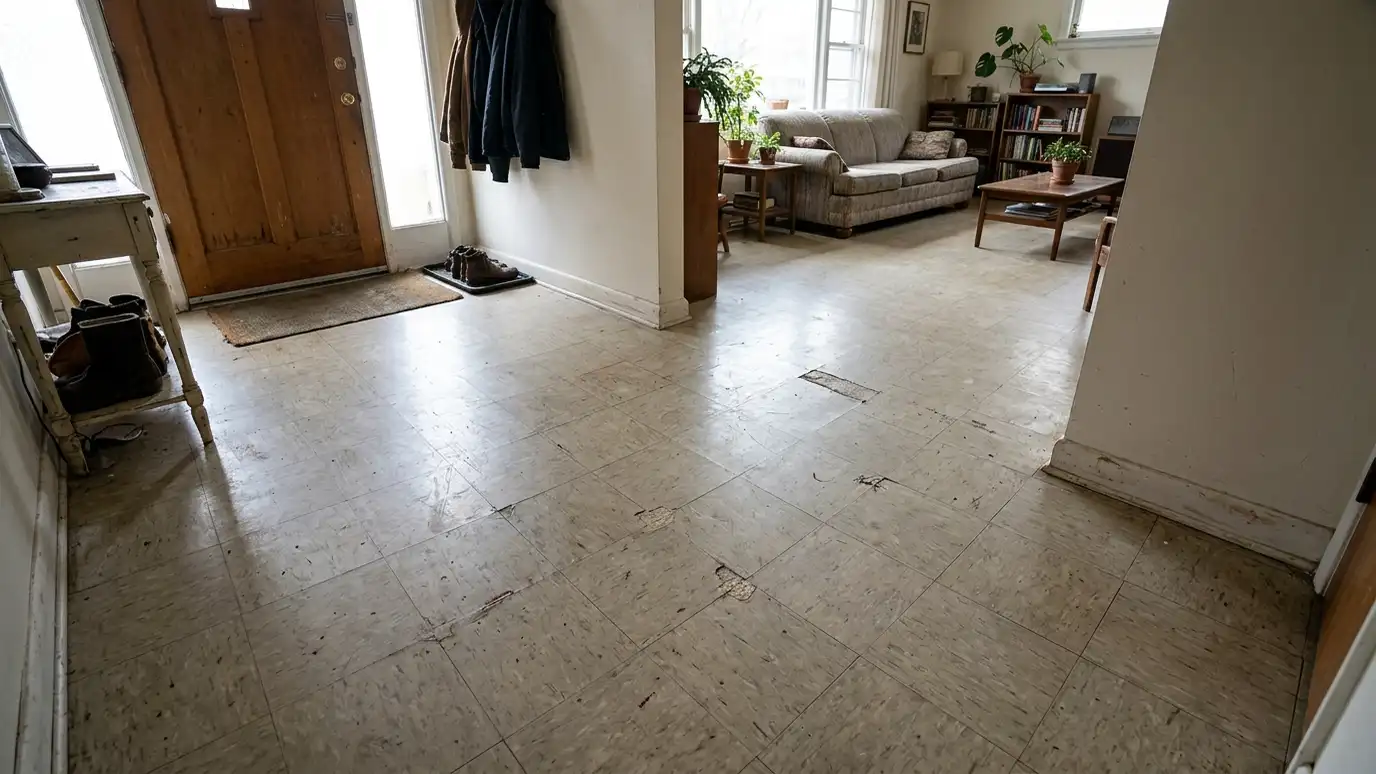 BeforeAfter
Floors measured and corrected before tile.
Mortar checked beneath large tiles.
Systems used to keep tile edges level.
Wall cuts planned for symmetry.
Joint width matched to the tile.
Fewer lines, calmer rooms.
Every topic has its own page with what to expect and how we approach it.
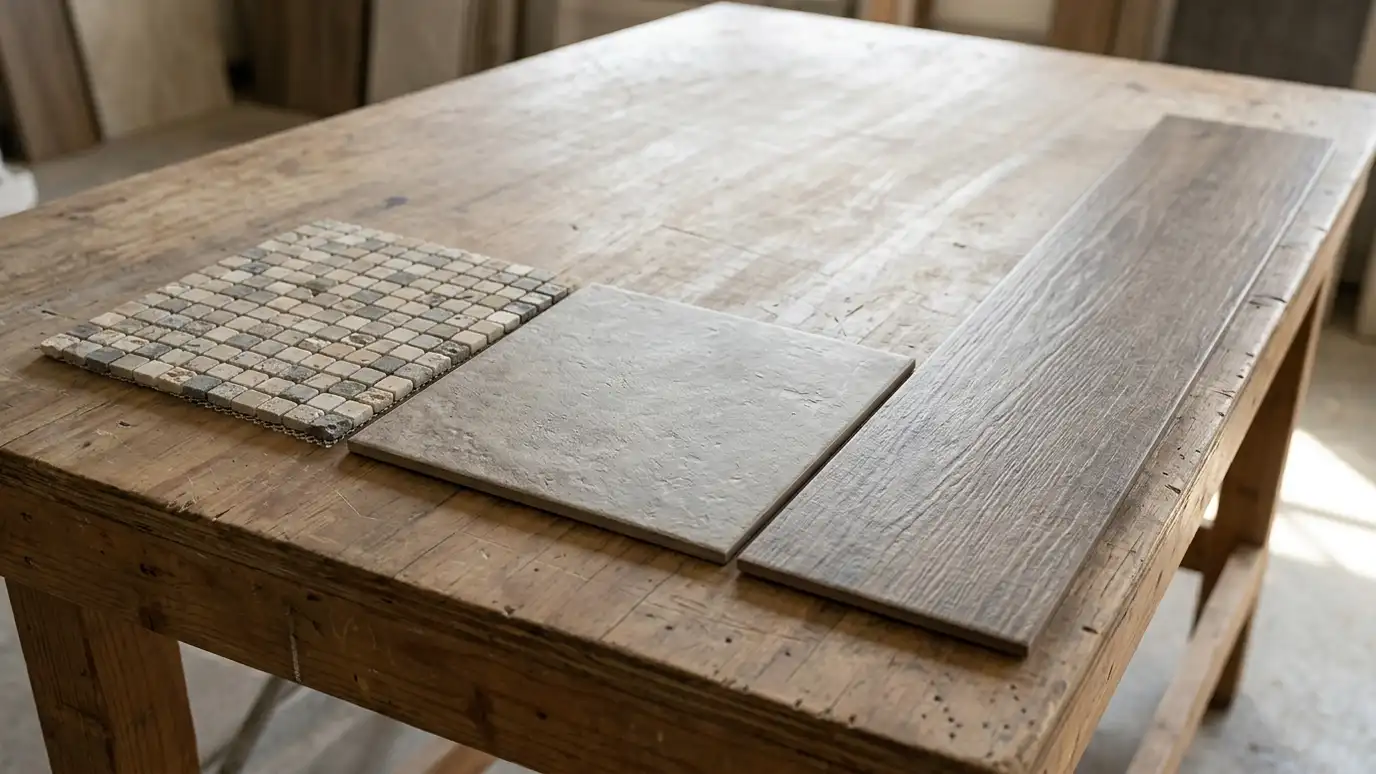 Comparison guideTile Size and Grout LinesHow mosaics, standard tile and large-format tile change the look, the grout lines, the installation and the cleaning.Learn more
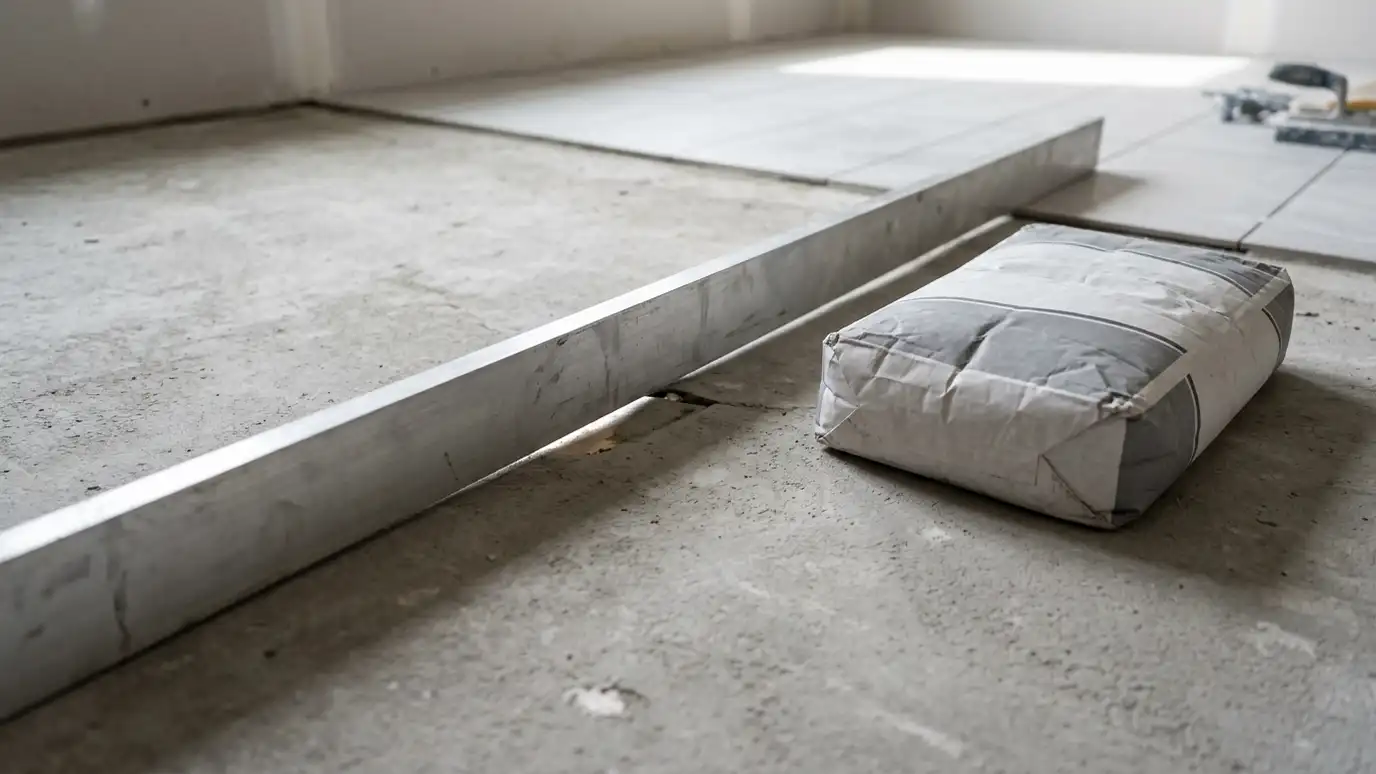 Comparison guideFloor Prep and LevelingWhy tile needs a flat, clean, sound base, how flatness is checked and how leveling compounds and grinding…Learn more
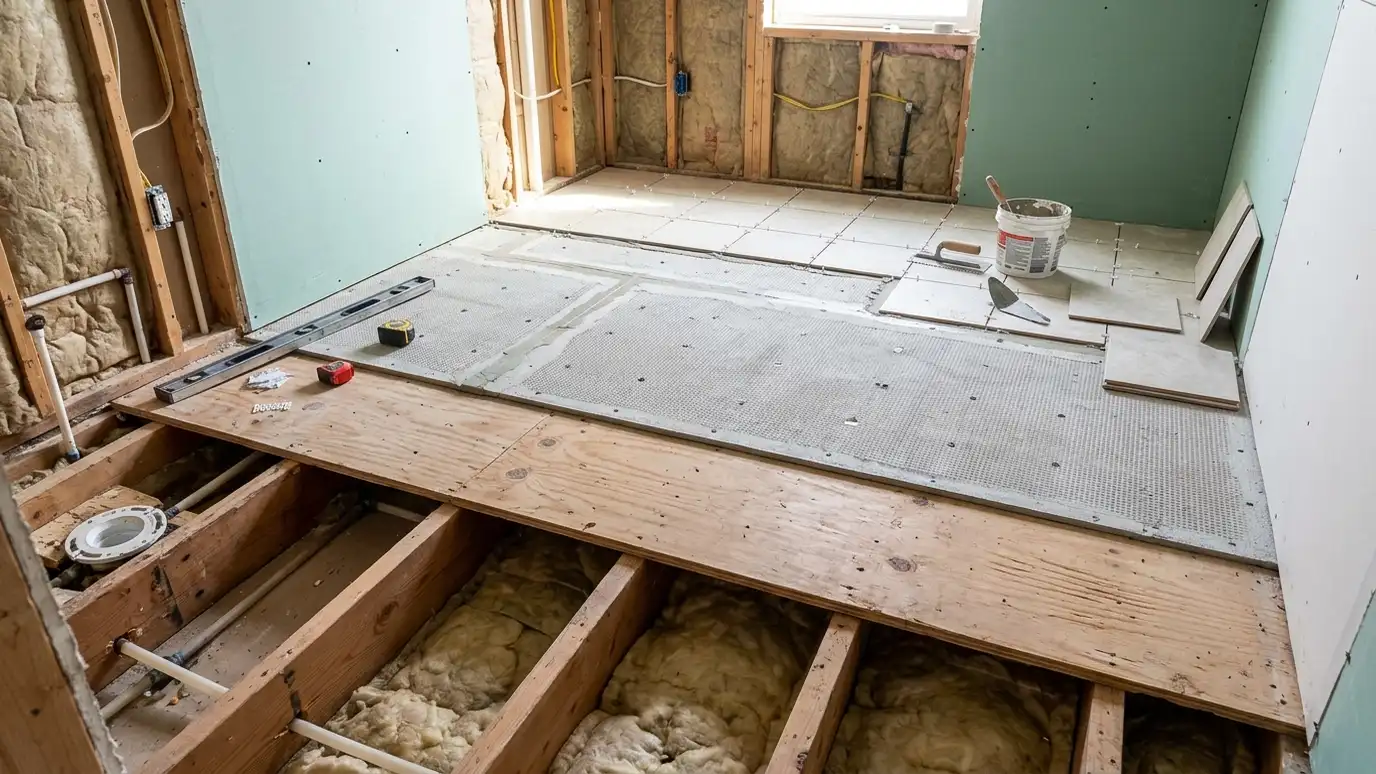 Comparison guideSubfloors and UnderlaymentWhy a stiff subfloor matters for tile, what deflection means and how underlayments and uncoupling layers support floors.Learn more
Pick the space and the conditions to see which tile format, grout joint and finish usually fit, with notes on flatness and grip.
You tell us the rooms, the tile you like and your timing, and we ask about the floors, walls and any water issues.
We check flatness, moisture and layout from photos or a visit and talk through materials, pattern and trim.
You get a plain written scope with prep, waterproofing, materials, schedule and cure times before anything is ordered.
Old tile comes out, floors are repaired and leveled, backer board and membranes go in and showers are waterproofed and tested.
Tile is set with the right mortar, checked for flatness and alignment and cut carefully at the edges.
We grout, seal and caulk, clean up and walk the finished job with you, leaving written care tips and extra tile.
Tiles with an edge of about fifteen inches or more are commonly called large format.
Large tiles bridge dips and can crack or lip if they are not fully supported.
Proper support and a stiff subfloor reduce the risk. We check both.
Yes. It needs more prep, heavier handling and careful setting.
Yes. It often makes small rooms feel bigger, with fewer grout lines.
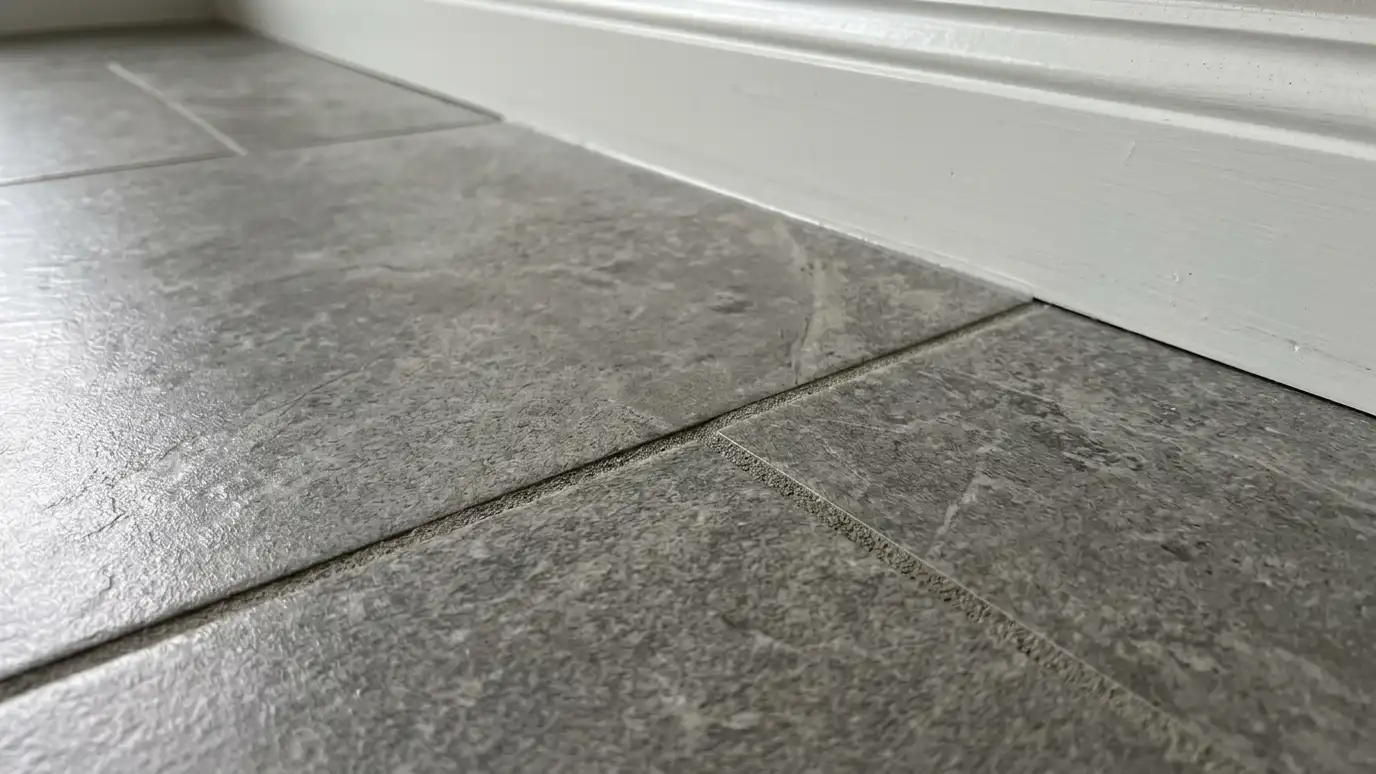 Porcelain FloorsPorcelain tile floors in stone, wood, concrete and solid looks, chosen for density, low water absorption and durability…Explore
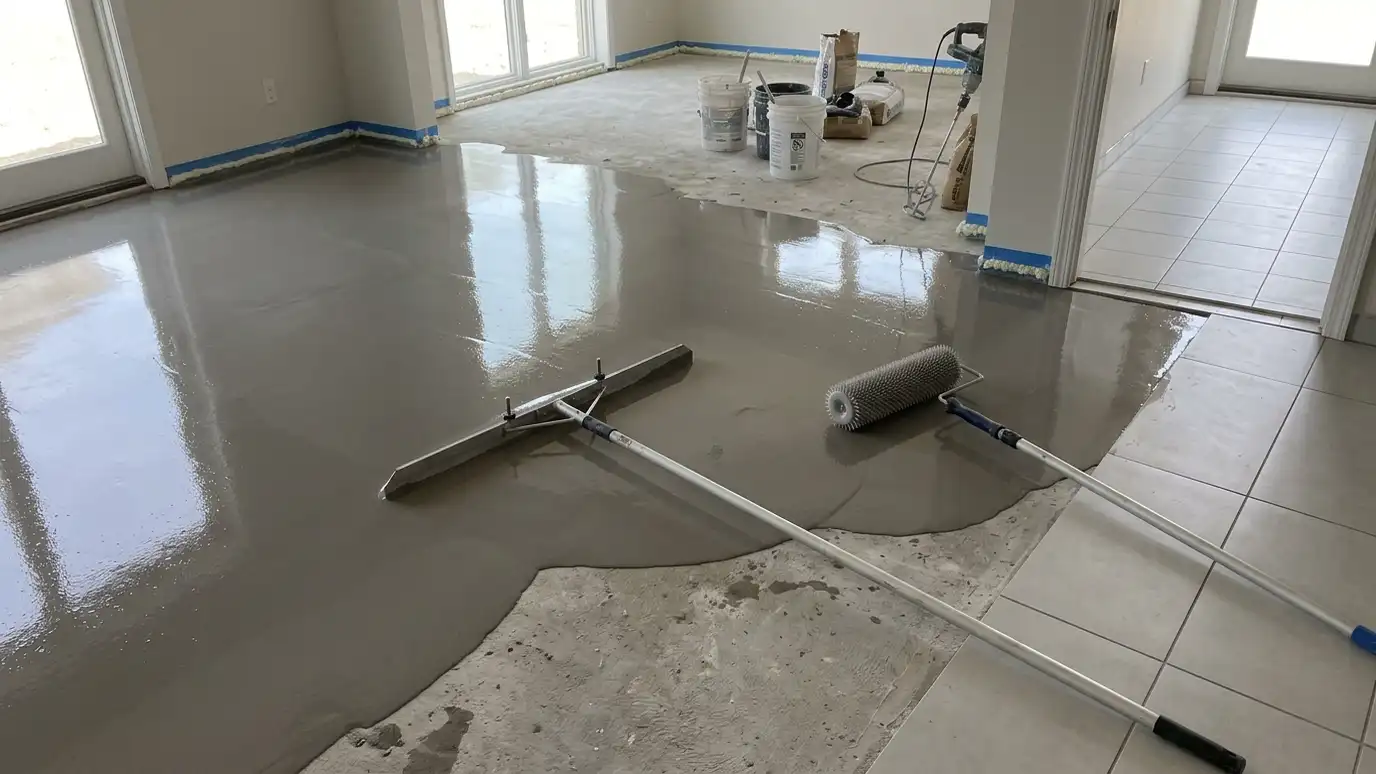 Floor Prep and LevelingFloor prep and leveling that makes concrete and wood subfloors flat, clean and ready for tile, using grinding…Explore
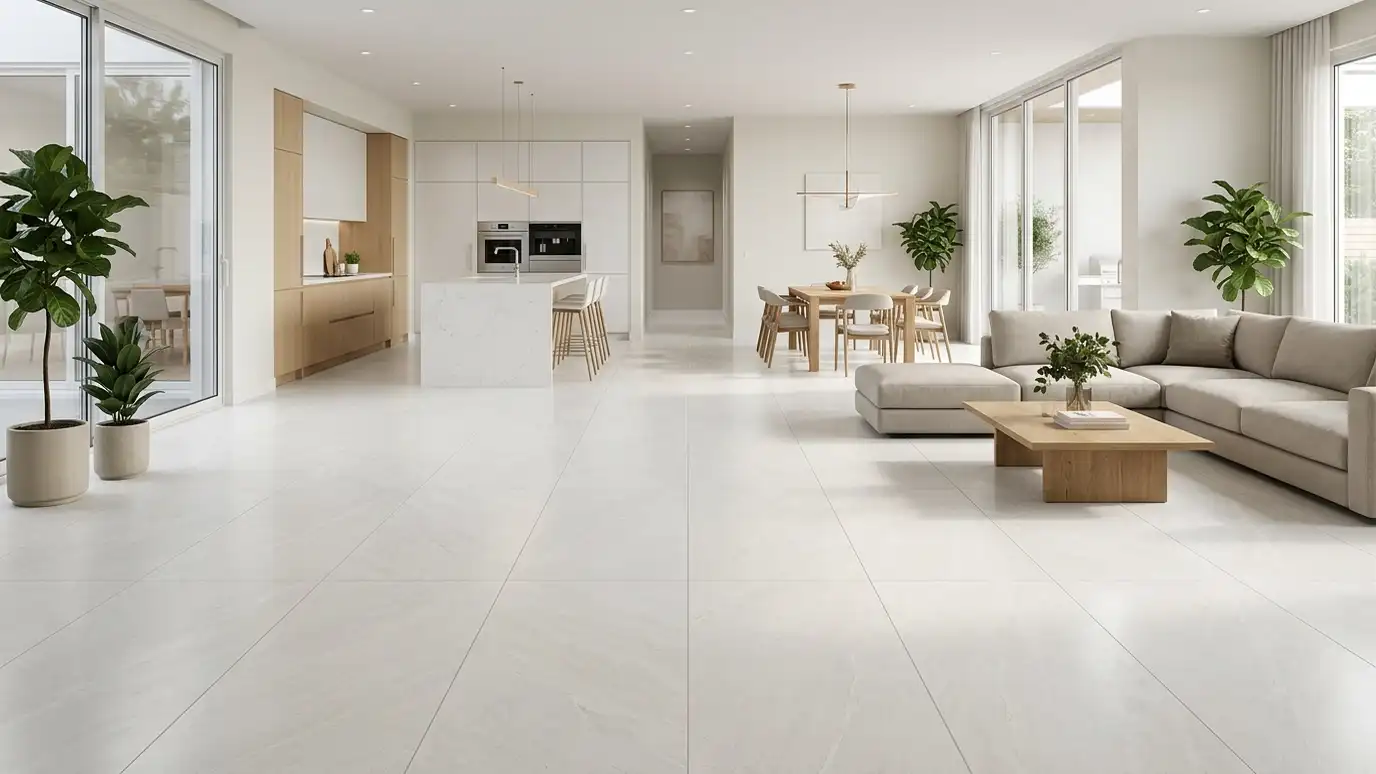 Whole-House TileWhole-house tile flooring that carries one tile through kitchens, halls and living areas for a seamless look, planned…Explore
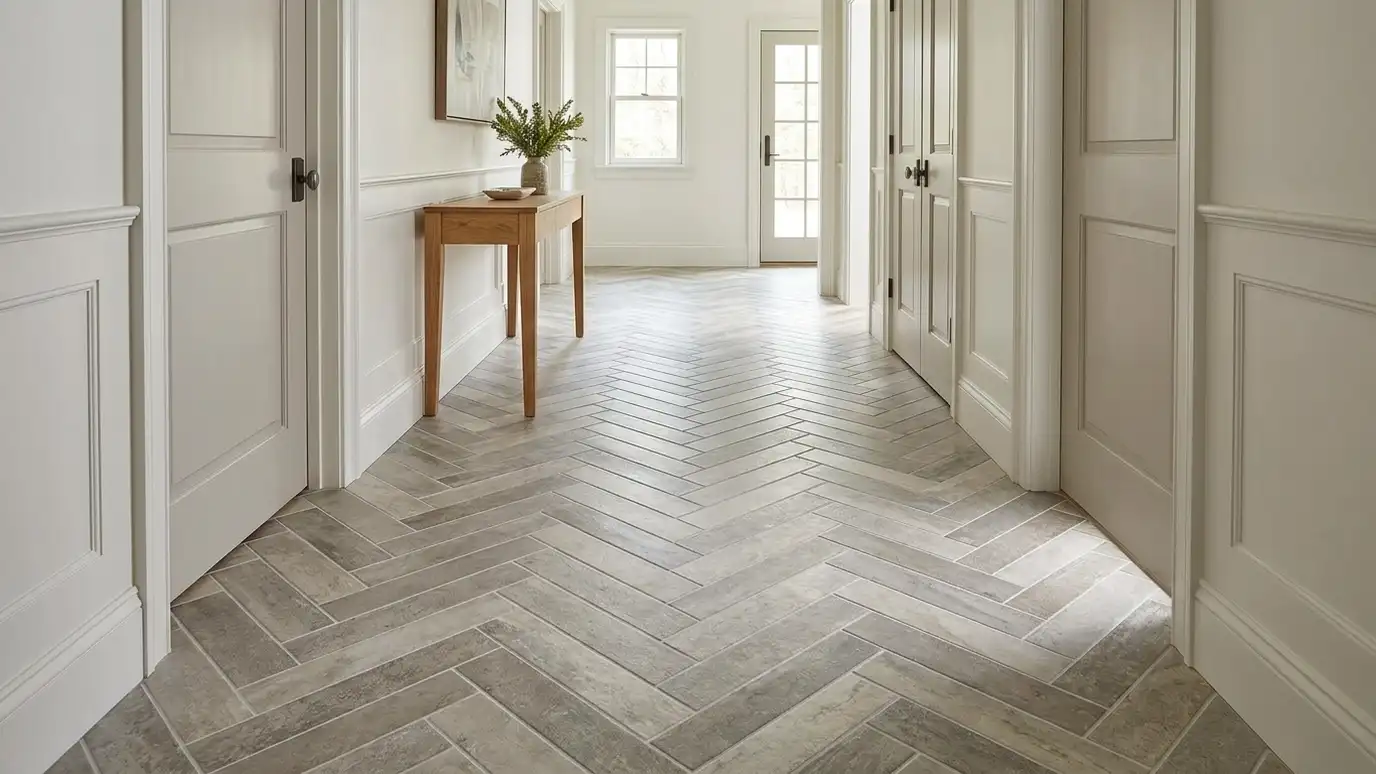 Pattern FloorsHerringbone and pattern floors in tile, including chevron, basket weave, offset and mixed-size layouts that add a custom…Explore
Tell us about your project and we will call you back to set up a visit.
Or call (615) 357-7797 to talk now.