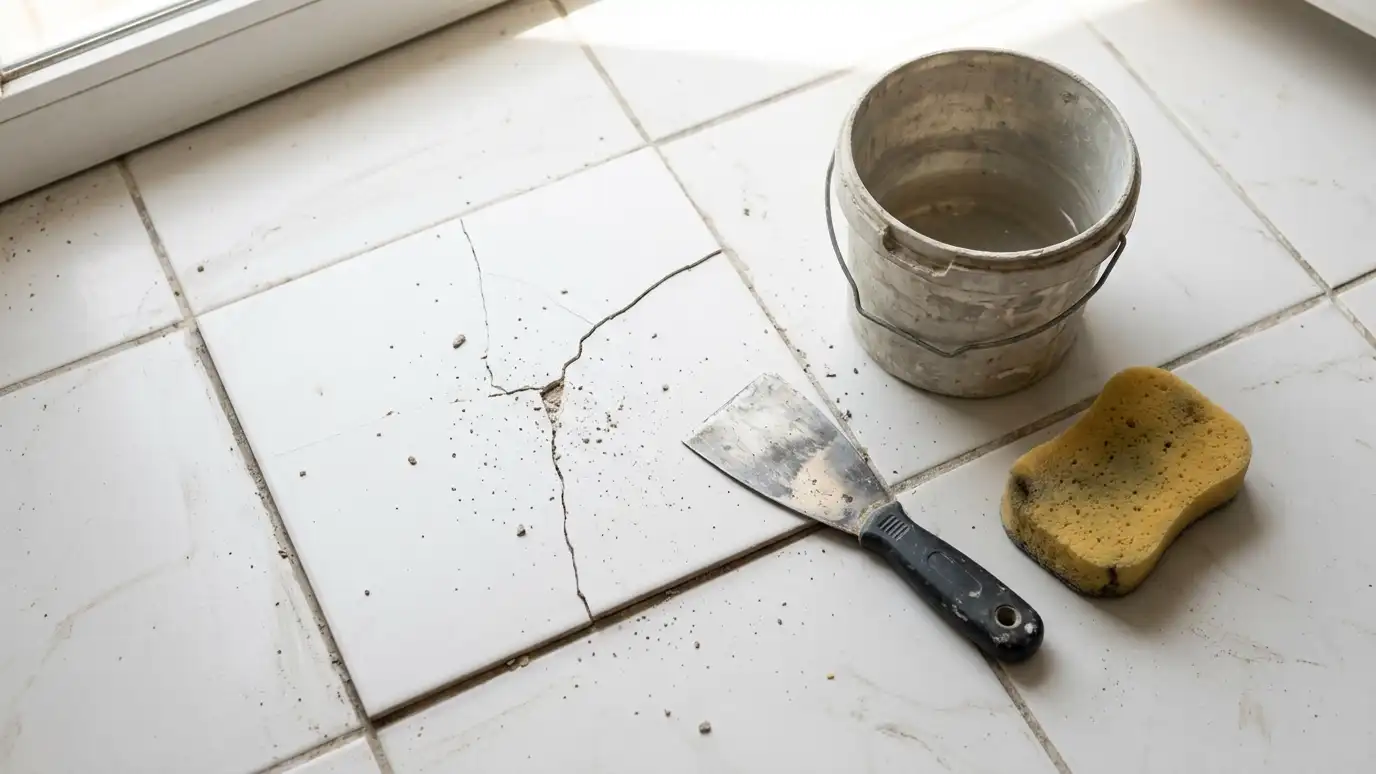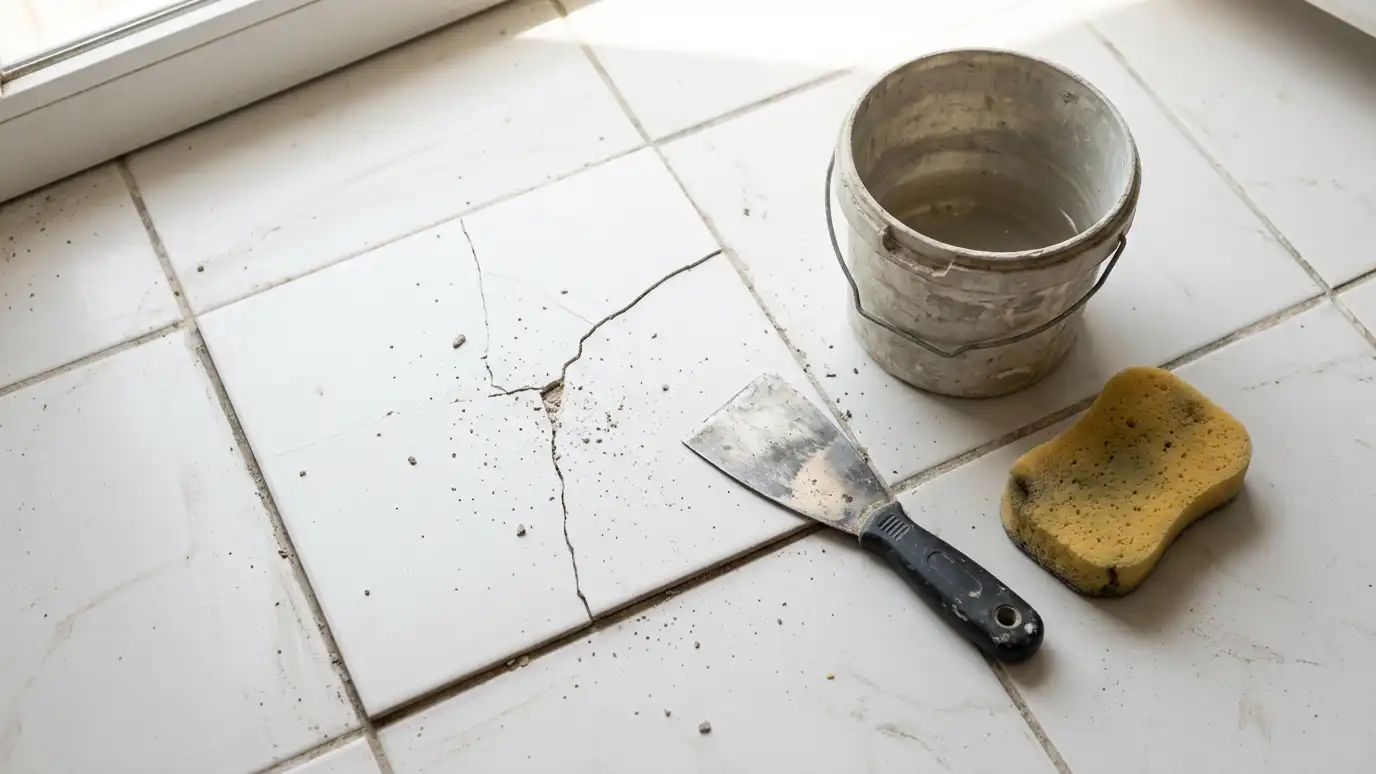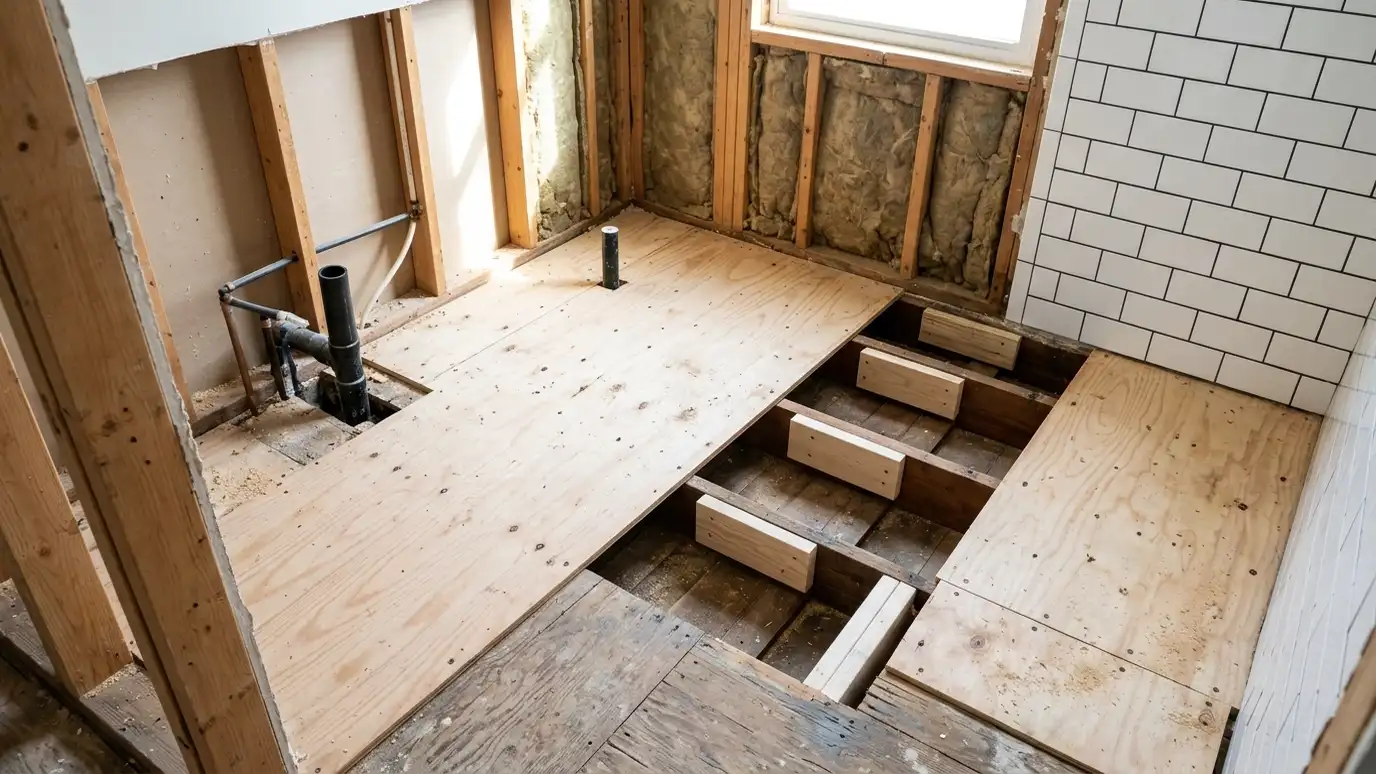
Subfloor repair and reinforcement that replaces soft or damaged plywood, adds blocking and stiffens floors so tile does not crack or loosen.
Tile is hard and unforgiving, so it needs a stiff floor beneath it. A subfloor that flexes, sags or has soft spots will crack tile and grout, often months after installation. Homeowners in Nashville who discover soft areas under old vinyl or around a tub need the floor fixed before any tile is set, and we help them understand what is wrong and how to fix it.
We probe the floor, look from below if we can and check the thickness and condition of plywood and joists. Water-damaged sections are cut out and replaced, and extra blocking or sistered joists can stiffen bouncy floors. We discuss underlayment options, since a layer of cement board or an uncoupling membrane adds strength and isolation. Where structure is a concern, we recommend a structural professional. We explain every repair in plain language and write it into the scope. Describe any creaks, bounce or soft spots you have noticed, and share photos from the basement or crawl space if you can. Small repairs can add a day or two, and we plan for that in the schedule. A stiff floor is the best insurance for new tile.
Soft spots and bounce found early.
Wet plywood cut out and renewed.
Blocking and joist work where needed.
Structural concerns go to professionals.
Drag the handle to compare.
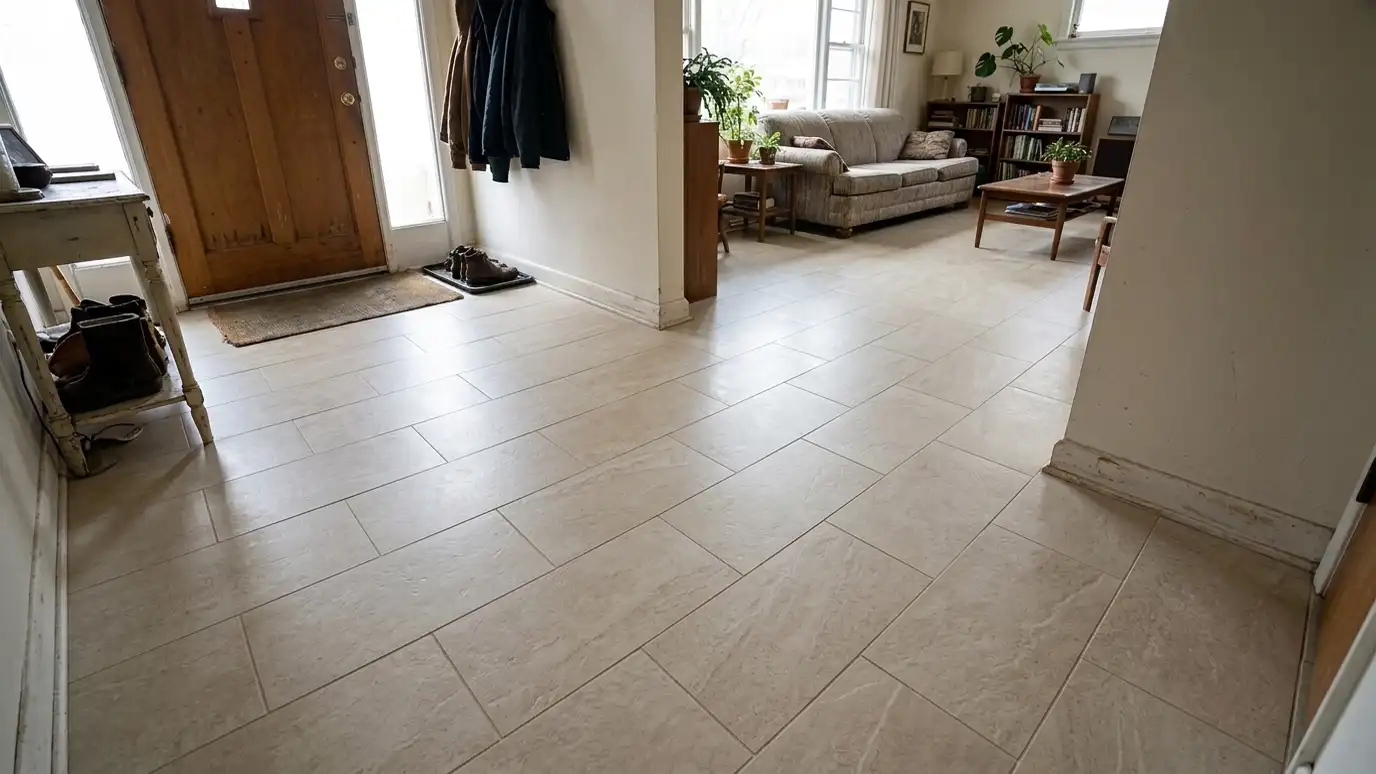
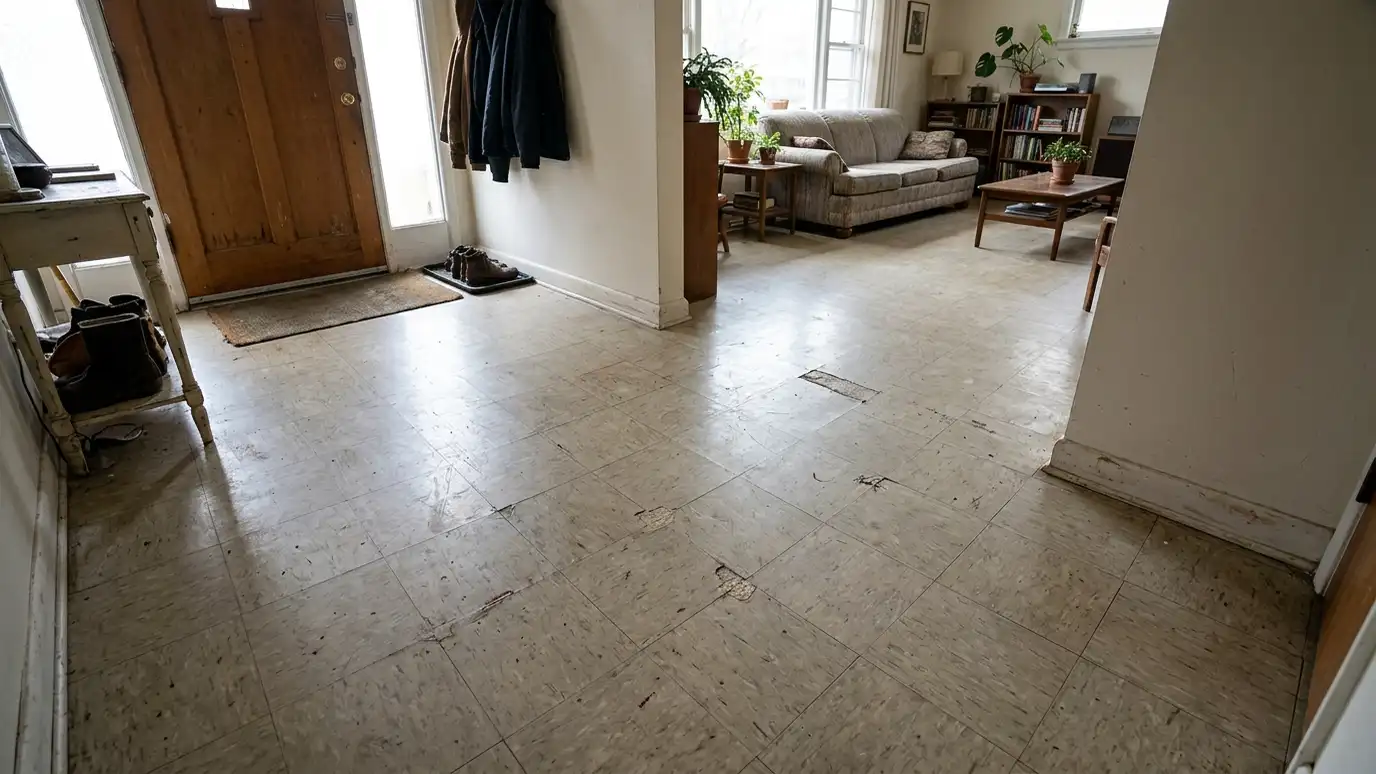 BeforeAfter
Soft spots and deflection found early.
Water-damaged plywood cut out and renewed.
Blocking and joist work where needed.
Cement board or membranes explained.
Structural concerns referred.
Every fix listed in the scope.
Every topic has its own page with what to expect and how we approach it.
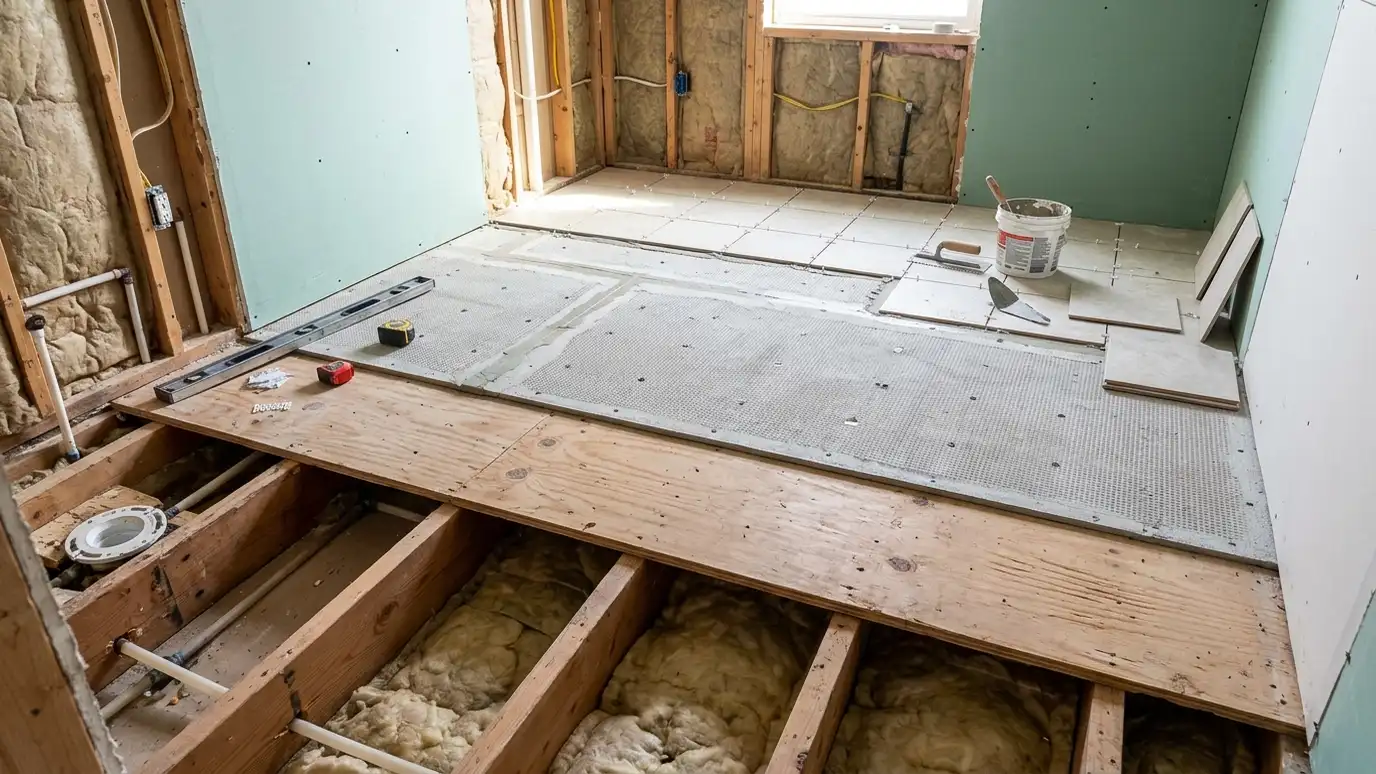 Comparison guideSubfloors and UnderlaymentWhy a stiff subfloor matters for tile, what deflection means and how underlayments and uncoupling layers support floors.Learn more
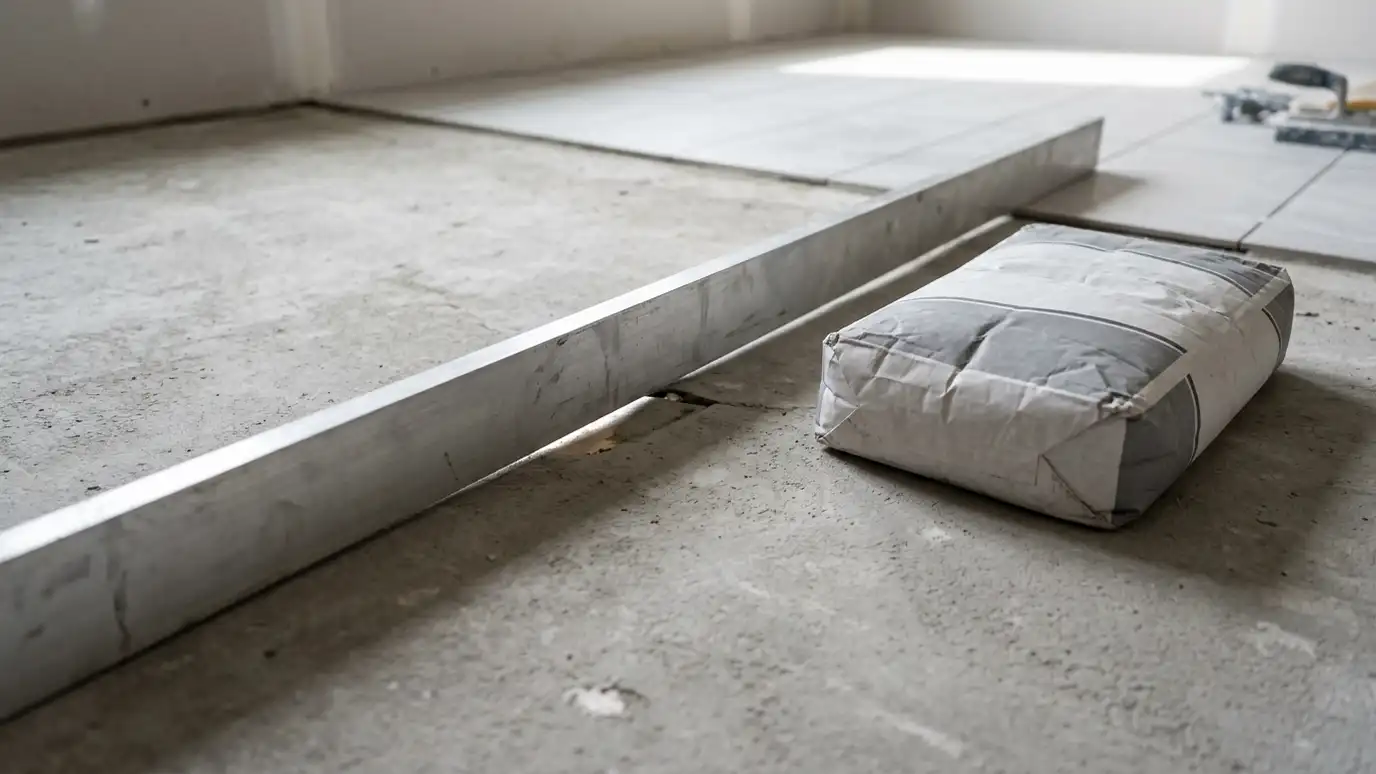 Comparison guideFloor Prep and LevelingWhy tile needs a flat, clean, sound base, how flatness is checked and how leveling compounds and grinding…Learn more
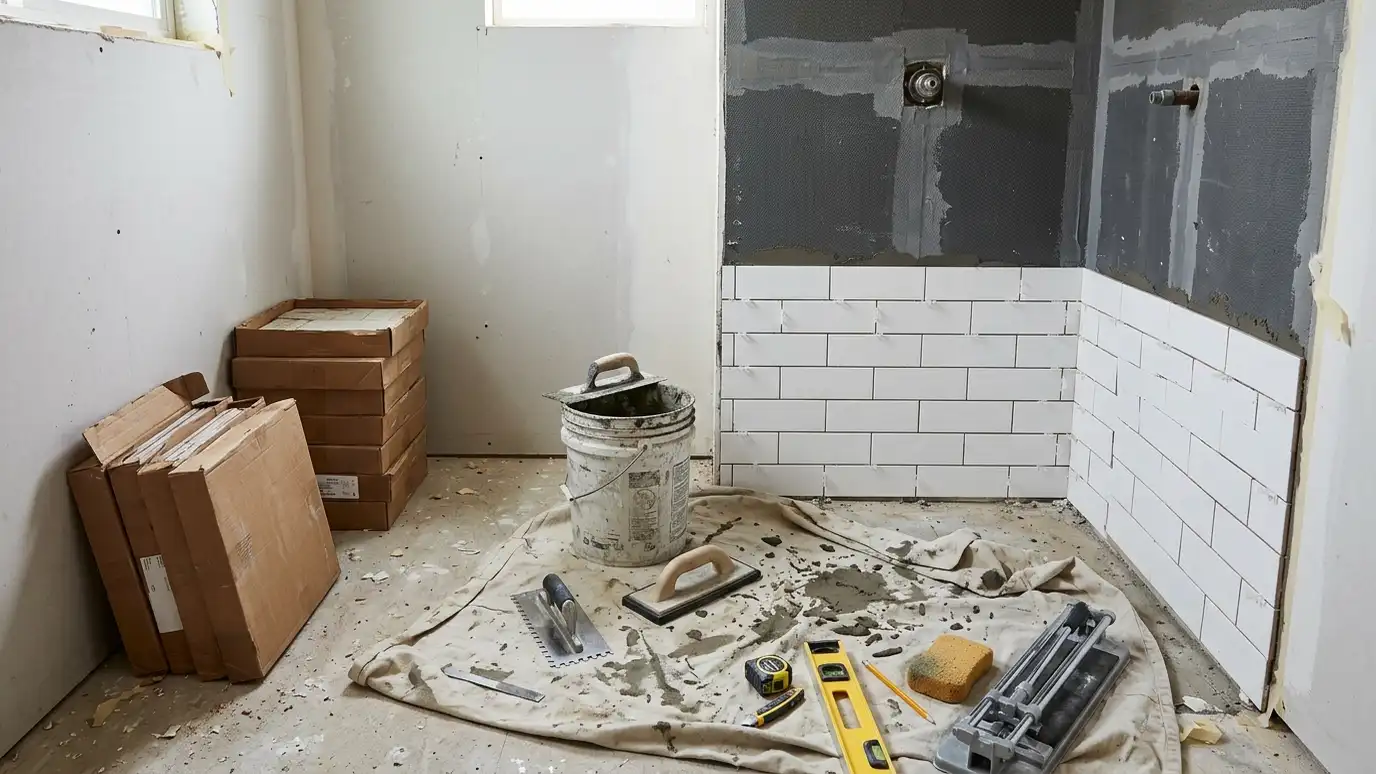 Comparison guideBathroom Remodel TimelineThe usual order of a bathroom remodel, from planning and demolition to waterproofing, tile, grout and fixtures, and…Learn more
Pick the space and the conditions to see which tile format, grout joint and finish usually fit, with notes on flatness and grip.
You tell us the rooms, the tile you like and your timing, and we ask about the floors, walls and any water issues.
We check flatness, moisture and layout from photos or a visit and talk through materials, pattern and trim.
You get a plain written scope with prep, waterproofing, materials, schedule and cure times before anything is ordered.
Old tile comes out, floors are repaired and leveled, backer board and membranes go in and showers are waterproofed and tested.
Tile is set with the right mortar, checked for flatness and alignment and cut carefully at the edges.
We grout, seal and caulk, clean up and walk the finished job with you, leaving written care tips and extra tile.
We press, listen and measure. Springy or squeaky floors and soft spots are warning signs.
Not safely. Flex cracks tile and grout, so the floor should be stiffened first.
We can add blocking or sister joists where needed, and we refer structural problems to professionals.
Leaks and long-term moisture are common causes, especially around tubs and toilets.
They can add days. We tell you early so you can plan.
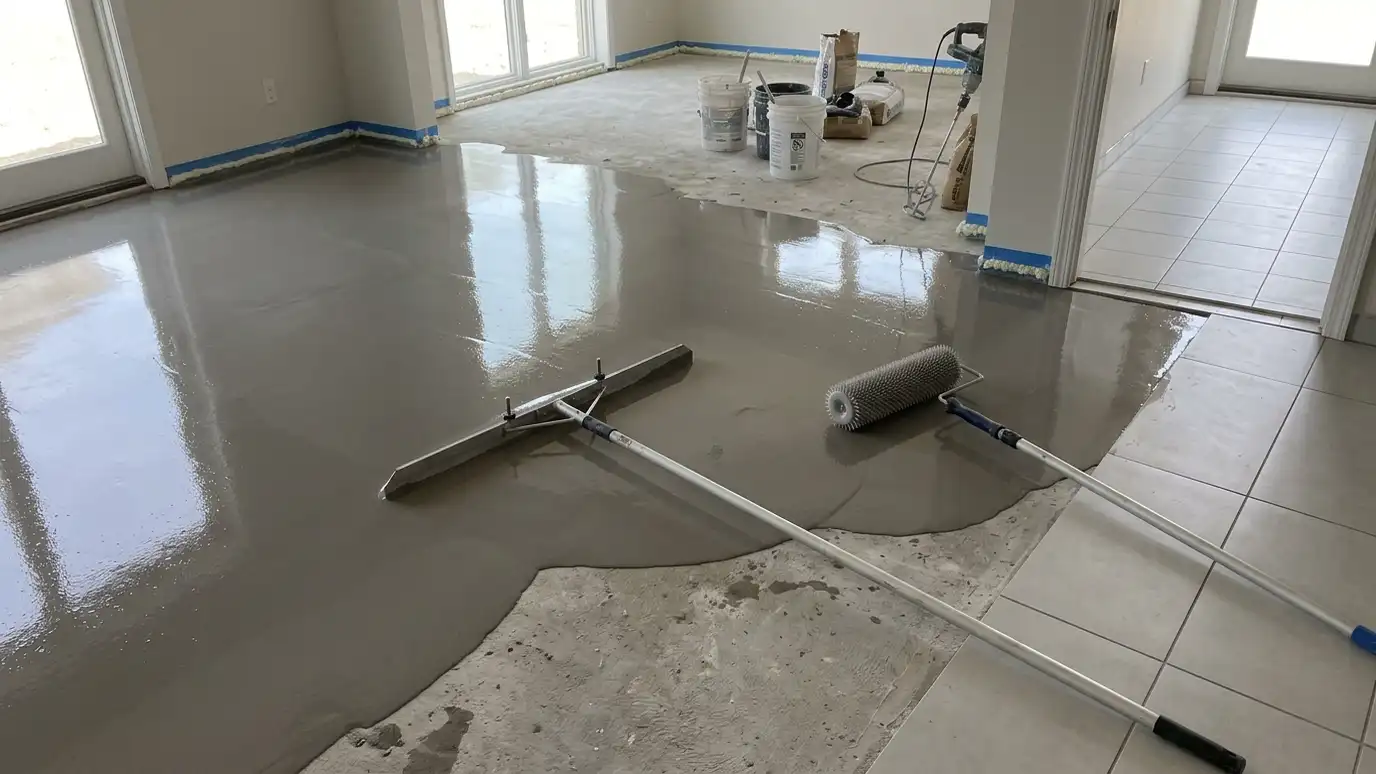 Floor Prep and LevelingFloor prep and leveling that makes concrete and wood subfloors flat, clean and ready for tile, using grinding…Explore
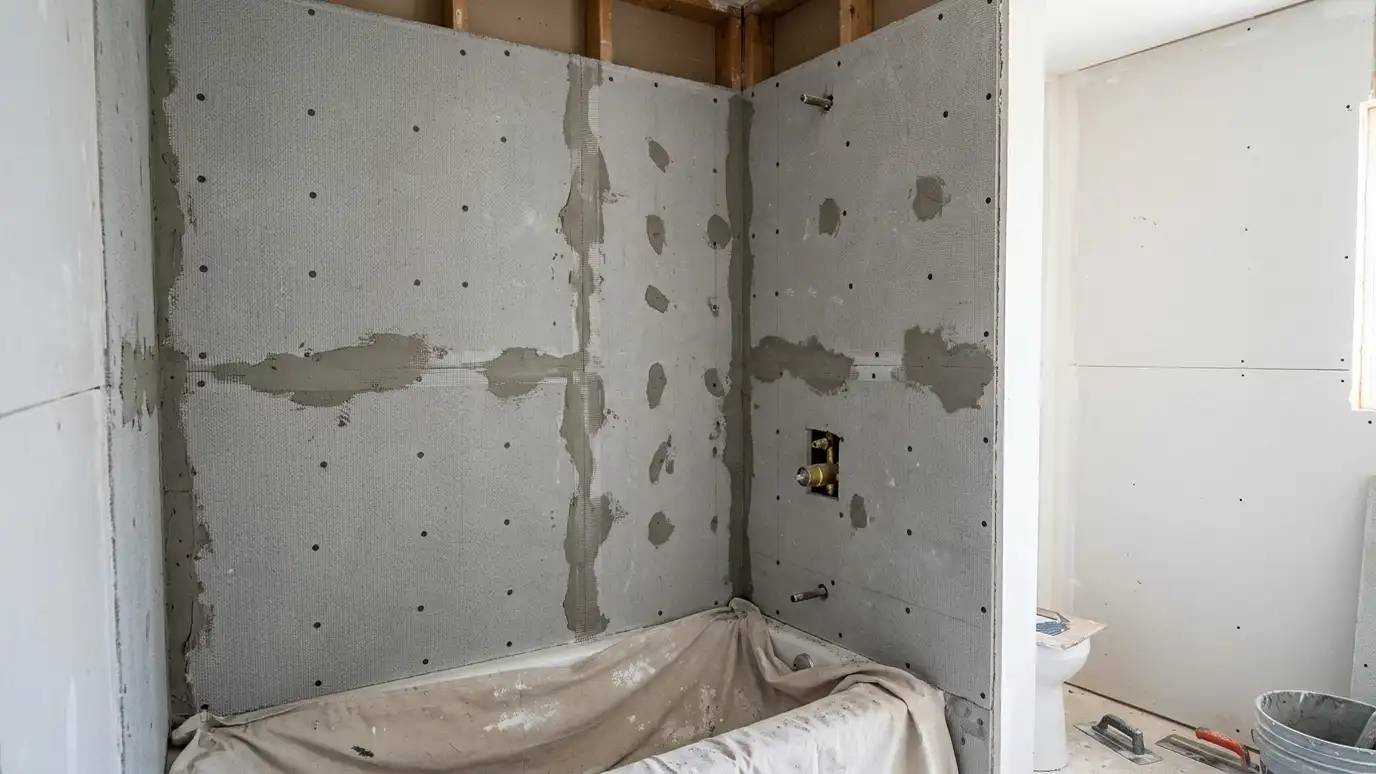 Backer BoardBacker board and underlayment installation that gives tile a stable, moisture-ready bed on walls and floors, with taped…Explore
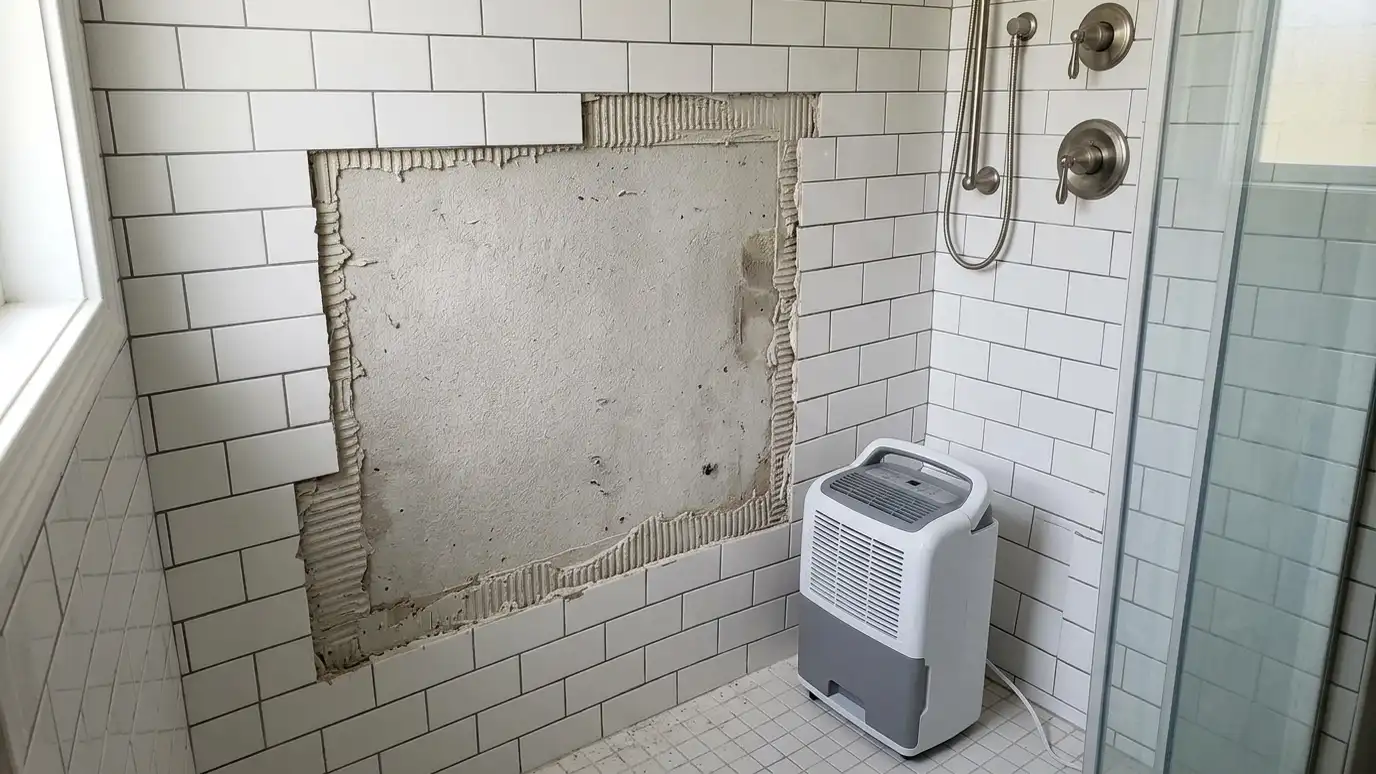 Water Damage RepairWater damage tile repair that opens damaged areas, dries and replaces backing and framing, rebuilds waterproofing and sets…Explore
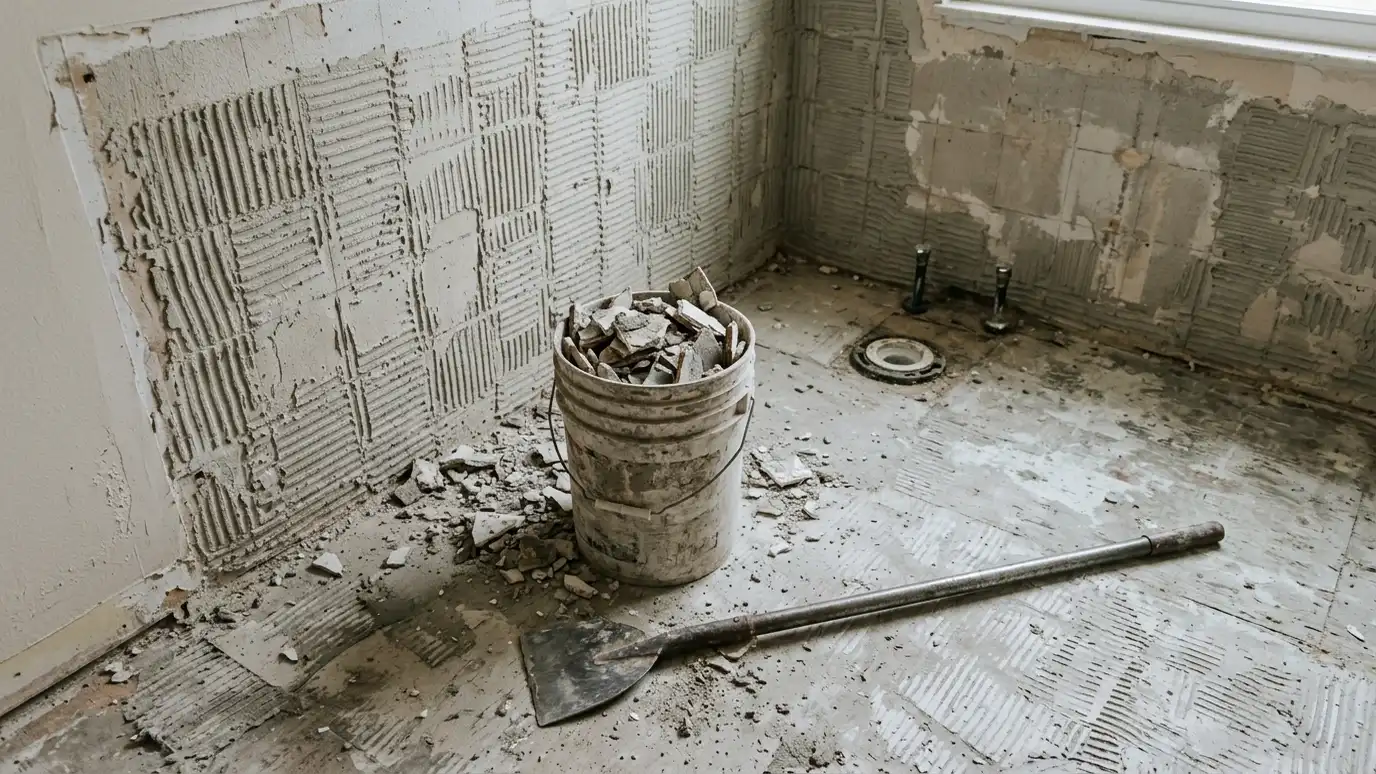 Tile RemovalOld tile removal and demolition that takes up worn floors and walls cleanly, protects the rest of the…Explore
Tell us about your project and we will call you back to set up a visit.
Or call (615) 357-7797 to talk now.