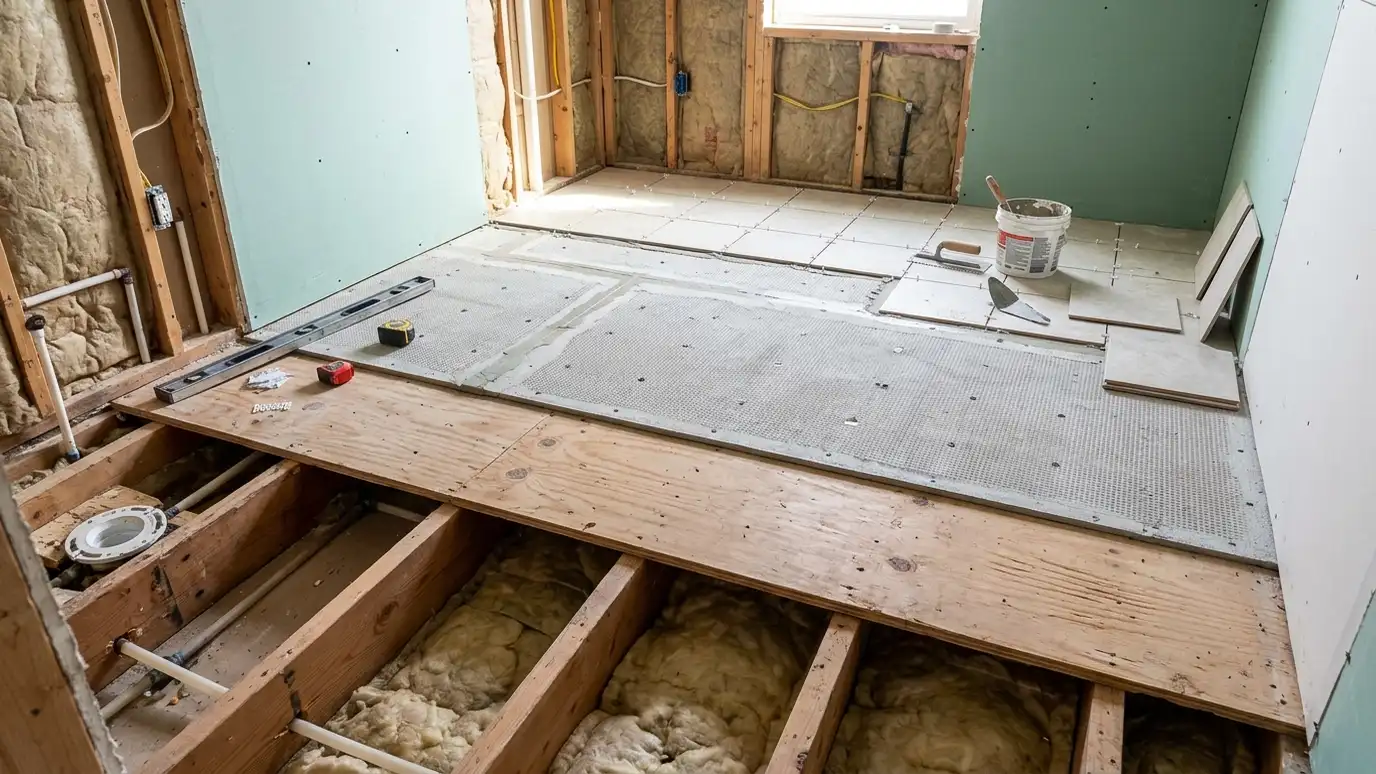
Why a stiff subfloor matters for tile, what deflection means and how underlayments and uncoupling layers support floors.
A wood floor flexes slightly under weight, and that bending is called deflection. Tile and grout are brittle, so too much flex can crack them. Industry guidance commonly sets stricter deflection limits for tile than for typical floors, and stricter still for natural stone, often written as L over 360 for ceramic and L over 720 for stone. In plain terms, a floor that feels bouncy or springy is not ready for tile.
The cures are stiffening and layers. Joists can be blocked or sistered, extra plywood can be added and a cement backer board or an uncoupling membrane can be installed. Uncoupling layers also let the tile and the floor move a little independently, which protects against cracks. Homeowners in Nashville who have old houses with springy floors benefit most. We inspect, explain what we find and recommend a proper fix before tile is chosen.
How much a floor flexes under load.
Rigid tile needs a stiffer floor.
Natural stone asks for even stiffer floors.
Blocking, joists and added plywood.
A stable bed for tile on wood floors.
Layers that let tile and floor move separately.
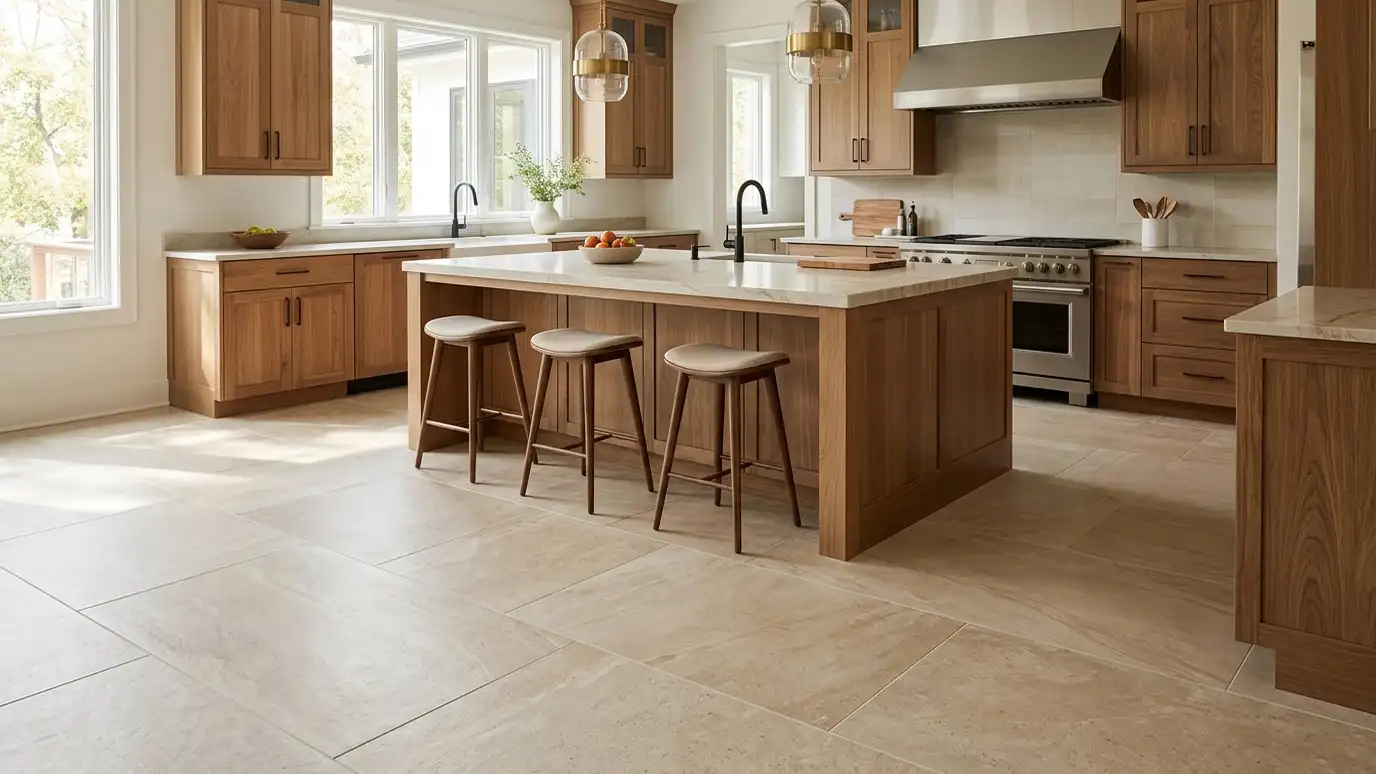 Kitchen Floor TileKitchen floor tile installation that stands up to dropped pans, spills and heavy foot traffic while matching cabinets…Explore
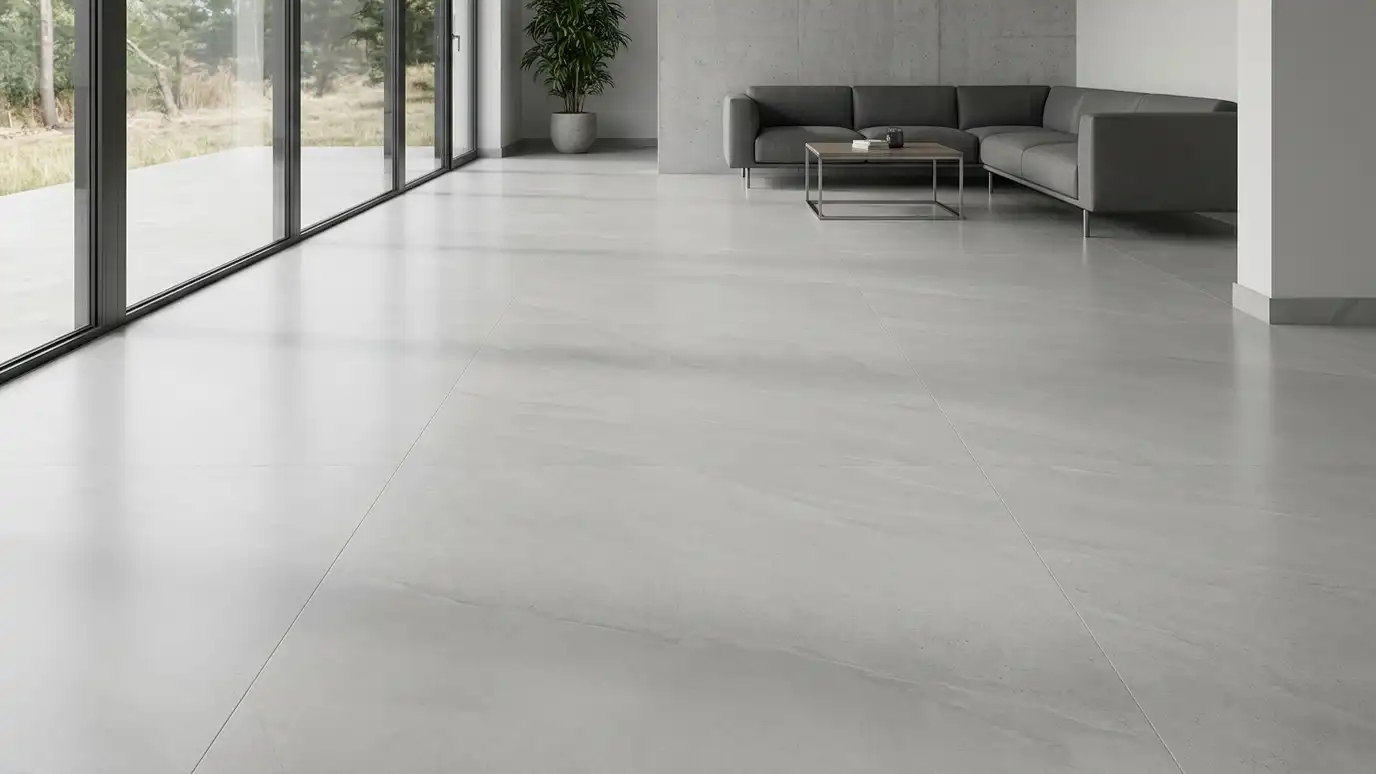 Large-Format TileLarge-format tile floors with very flat substrates, careful setting and minimal grout lines for a clean, modern look…Explore
 Basement TileBasement tile floors set over concrete with moisture testing, crack protection and a tile choice that handles cool…Explore
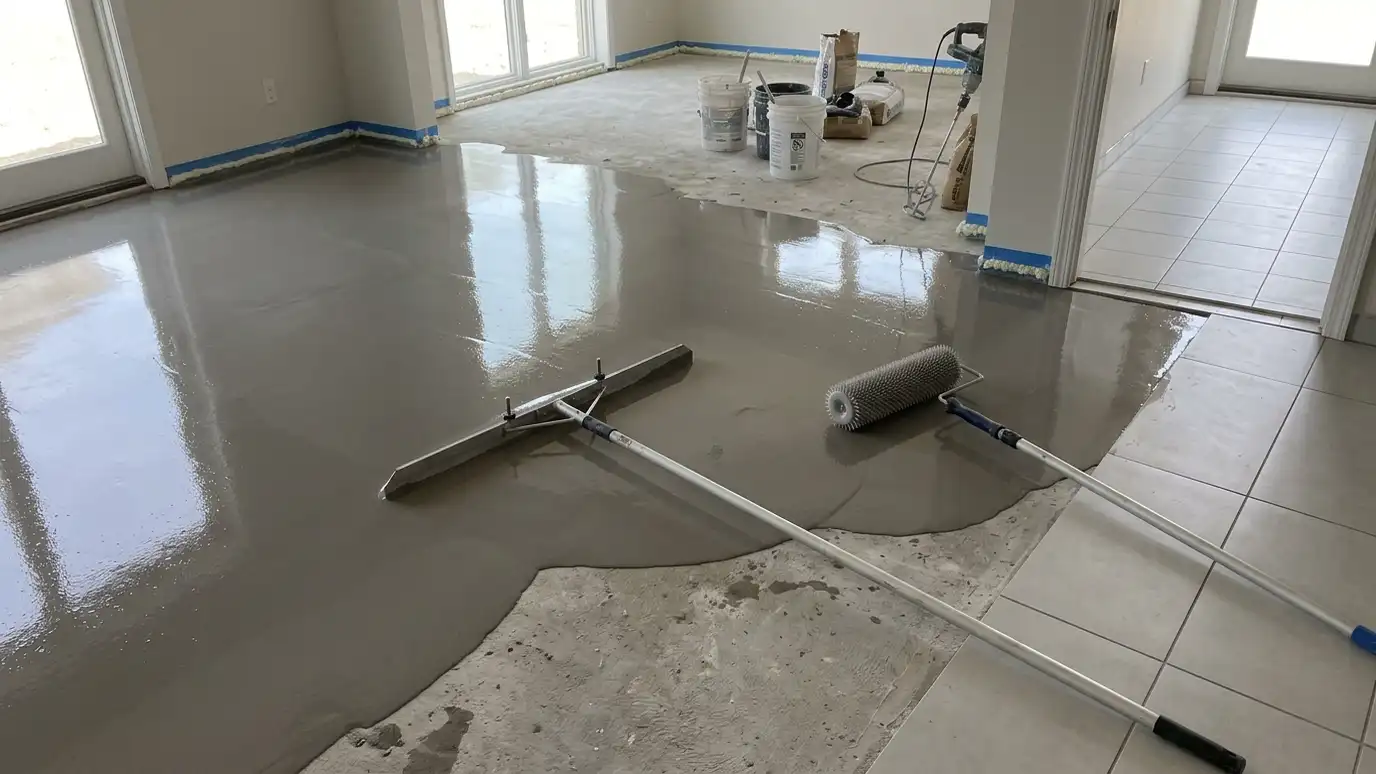 Floor Prep and LevelingFloor prep and leveling that makes concrete and wood subfloors flat, clean and ready for tile, using grinding…Explore
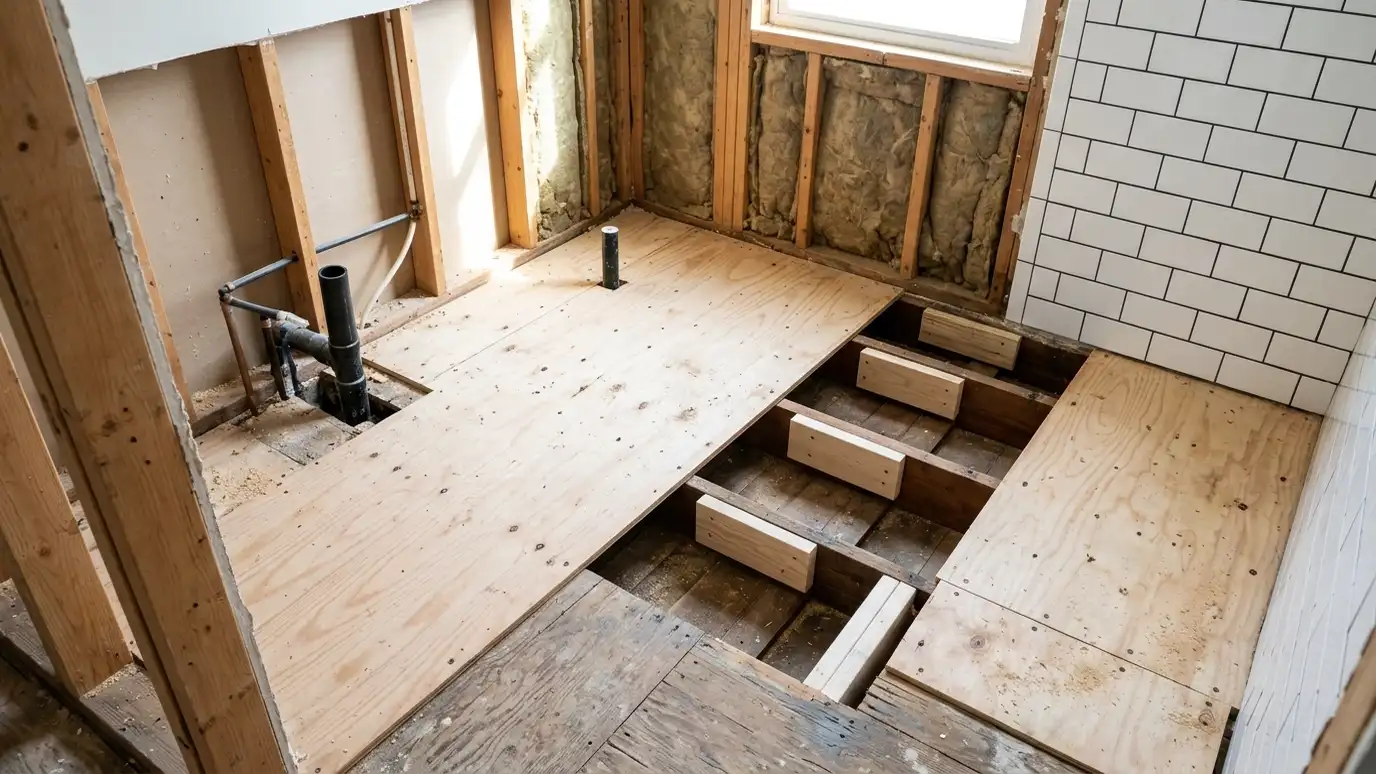 Subfloor RepairSubfloor repair and reinforcement that replaces soft or damaged plywood, adds blocking and stiffens floors so tile does…Explore
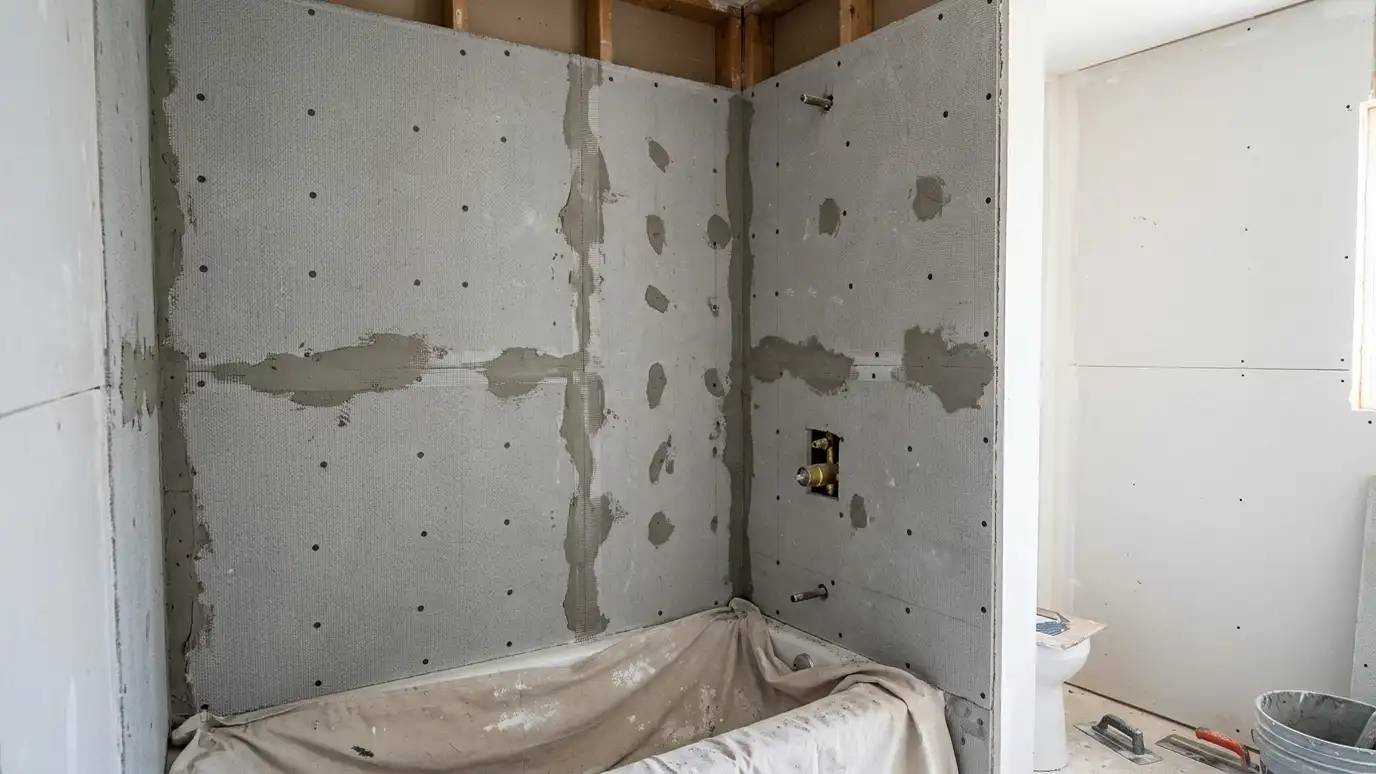 Backer BoardBacker board and underlayment installation that gives tile a stable, moisture-ready bed on walls and floors, with taped…Explore
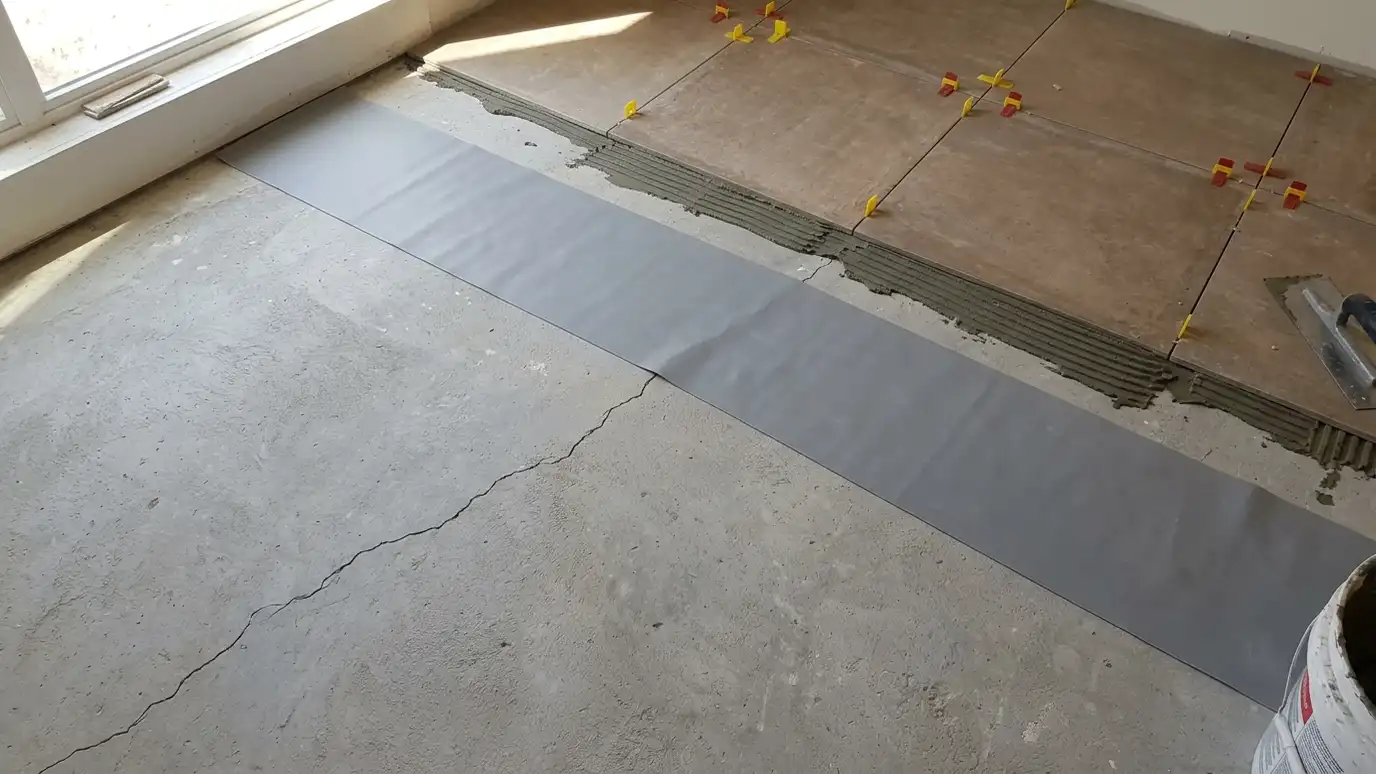 Crack IsolationCrack isolation membranes that bridge hairline cracks and small movements in concrete so they are less likely to…Explore
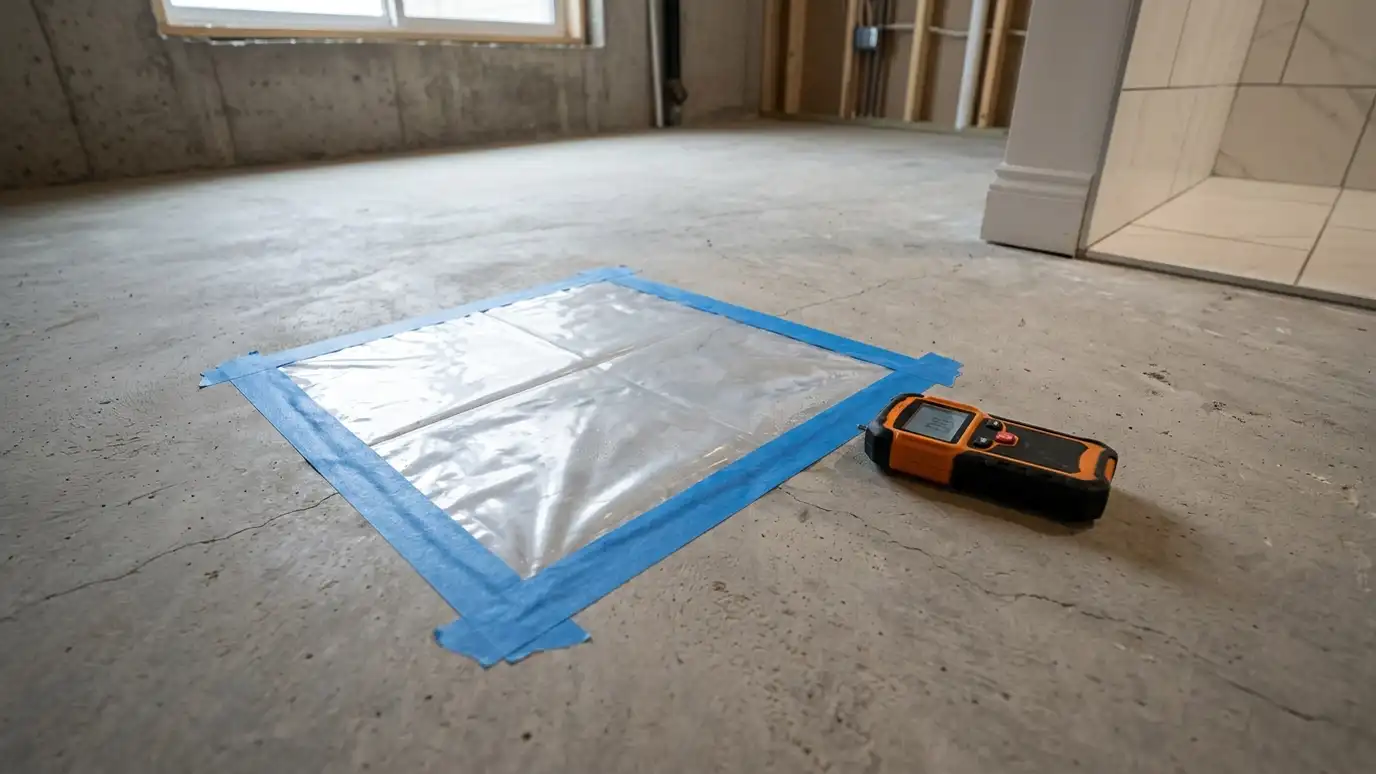 Moisture TestingMoisture testing and vapor control for concrete slabs and basements, with simple tests and vapor barriers so moisture…Explore
Plan your layout, pick a size or ballpark a budget.
 Tile Layout StudioSet your room, pick a tile size and a pattern such as straight, offset, diagonal or herringbone and see a top-down plan with full and cut tiles, then send the plan to us.Try it
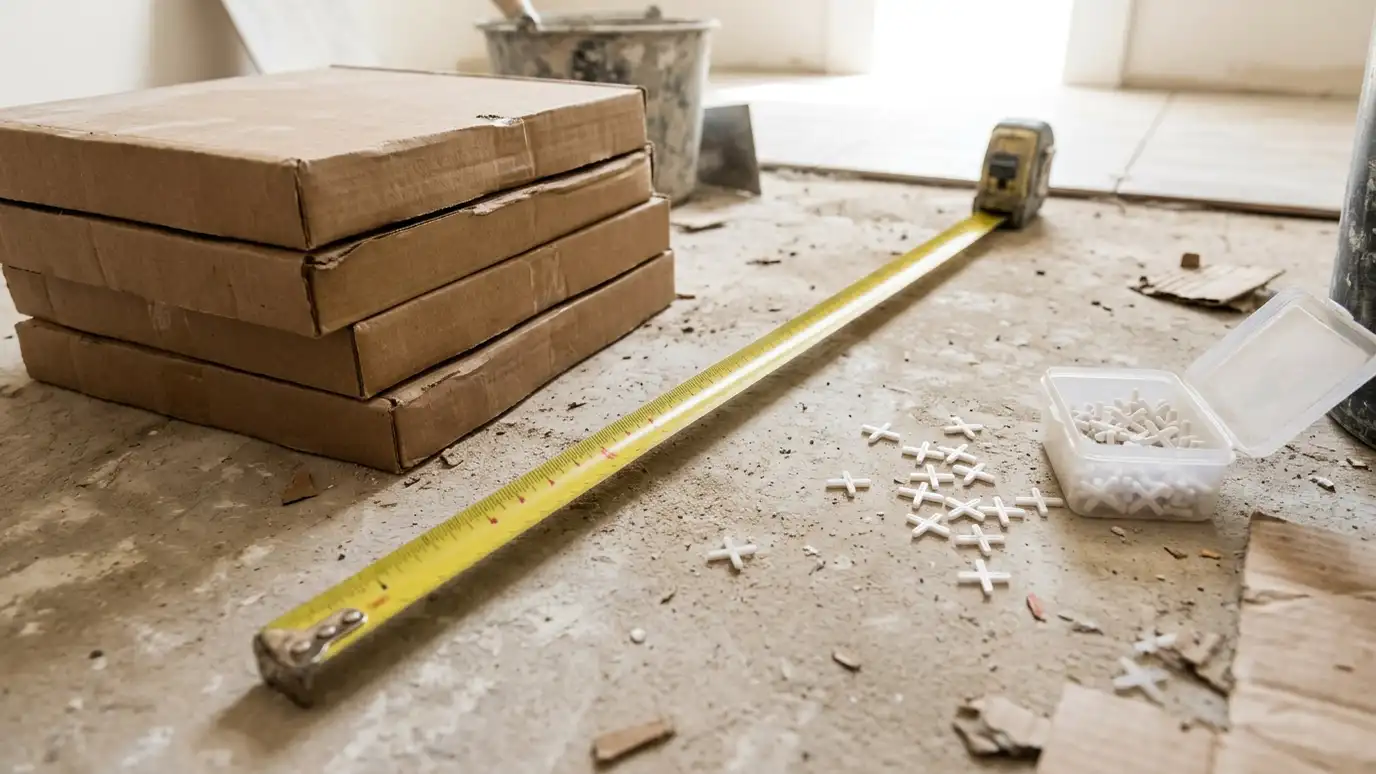 Tile Size and Format PickerPick the space and the conditions to see which tile format, grout joint and finish usually fit, with notes on flatness and grip.Try it
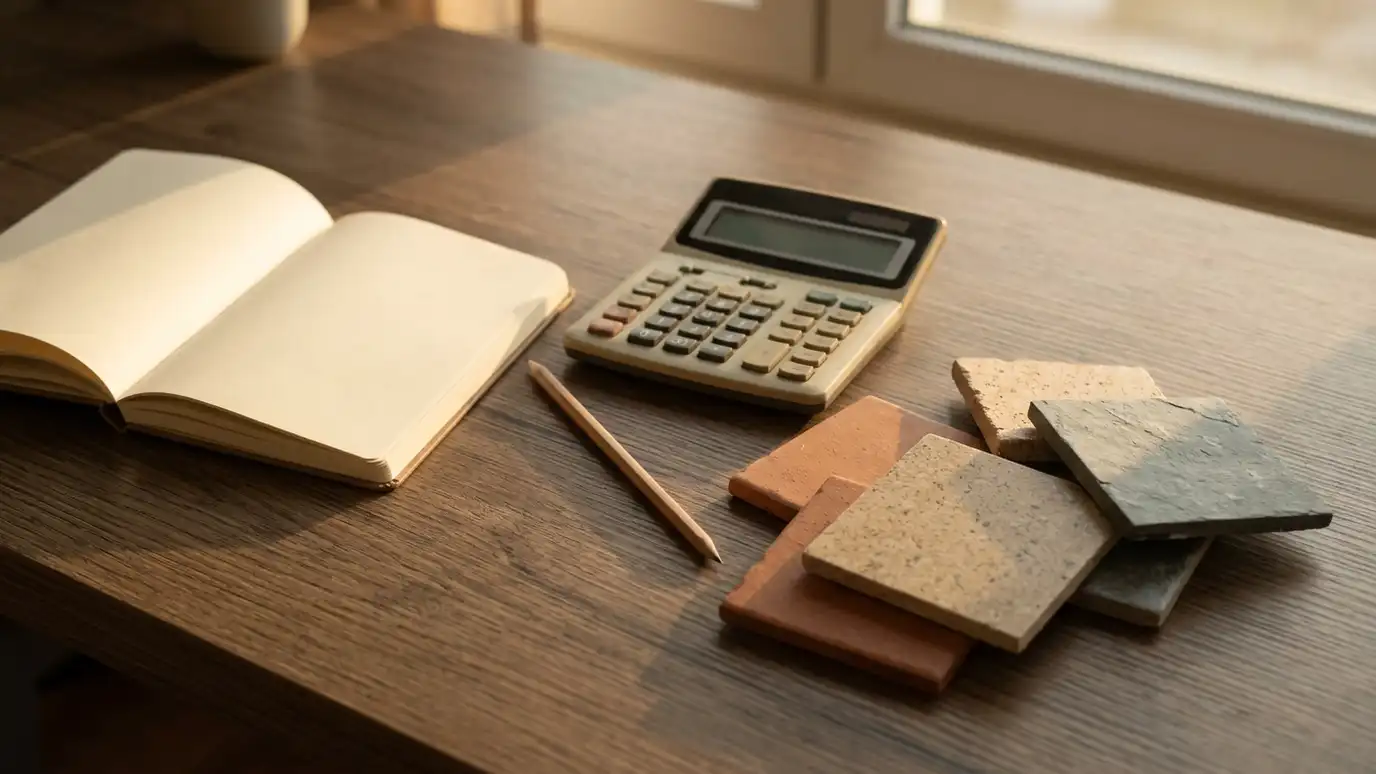 Tile Project Budget PlannerPick a shower, floor, backsplash, patio or repair project, set the area and add allowances like leveling, waterproofing and heated floors to see a ballpark planning range. Placeholder values only.Try it
Springy or noisy floors and soft spots are warning signs. We test and inspect.
Layers help but do not replace stiffness. Weak structure needs stiffening.
Rarely. They have other issues, such as cracks, moisture and flatness.
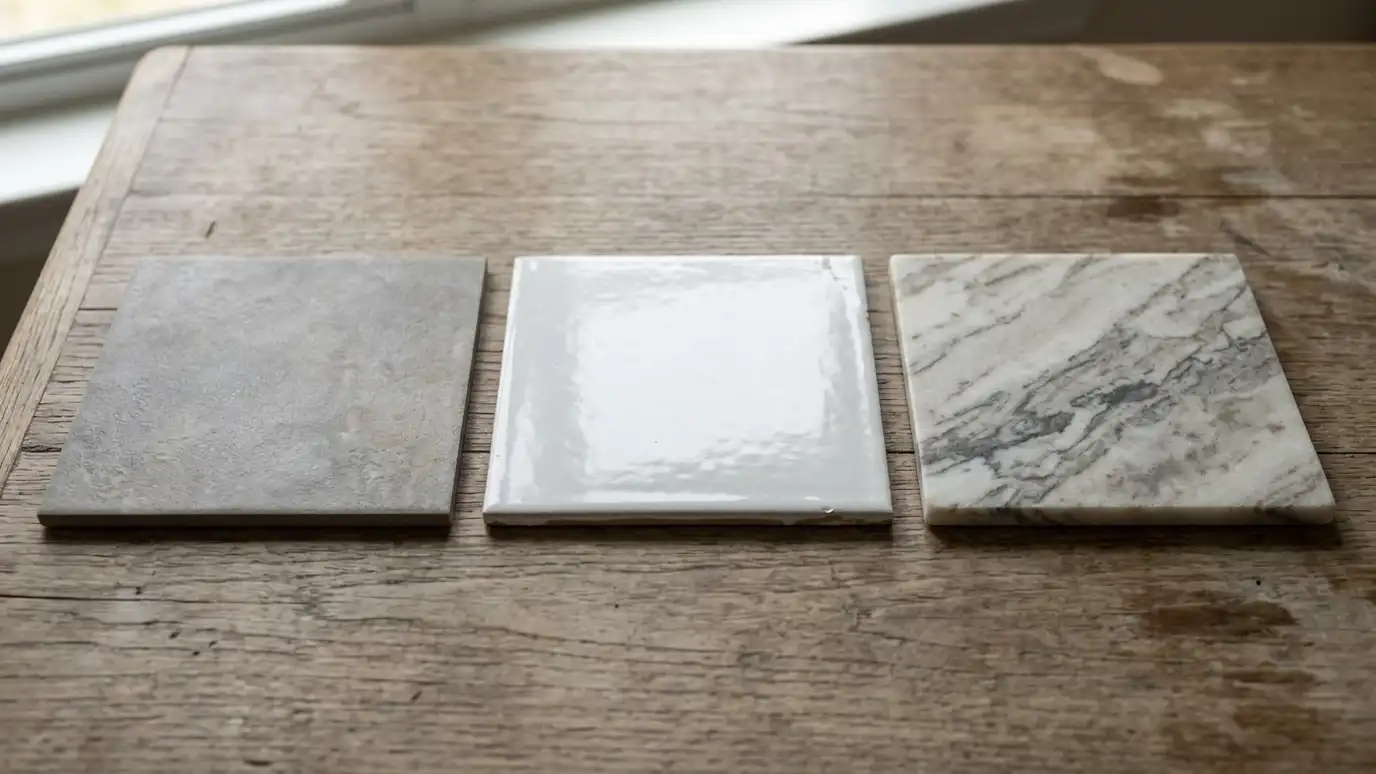 Comparison guidePorcelain, Ceramic and StoneHow the three main tile families differ in density, water absorption, wear, care and the looks they offer.Learn more
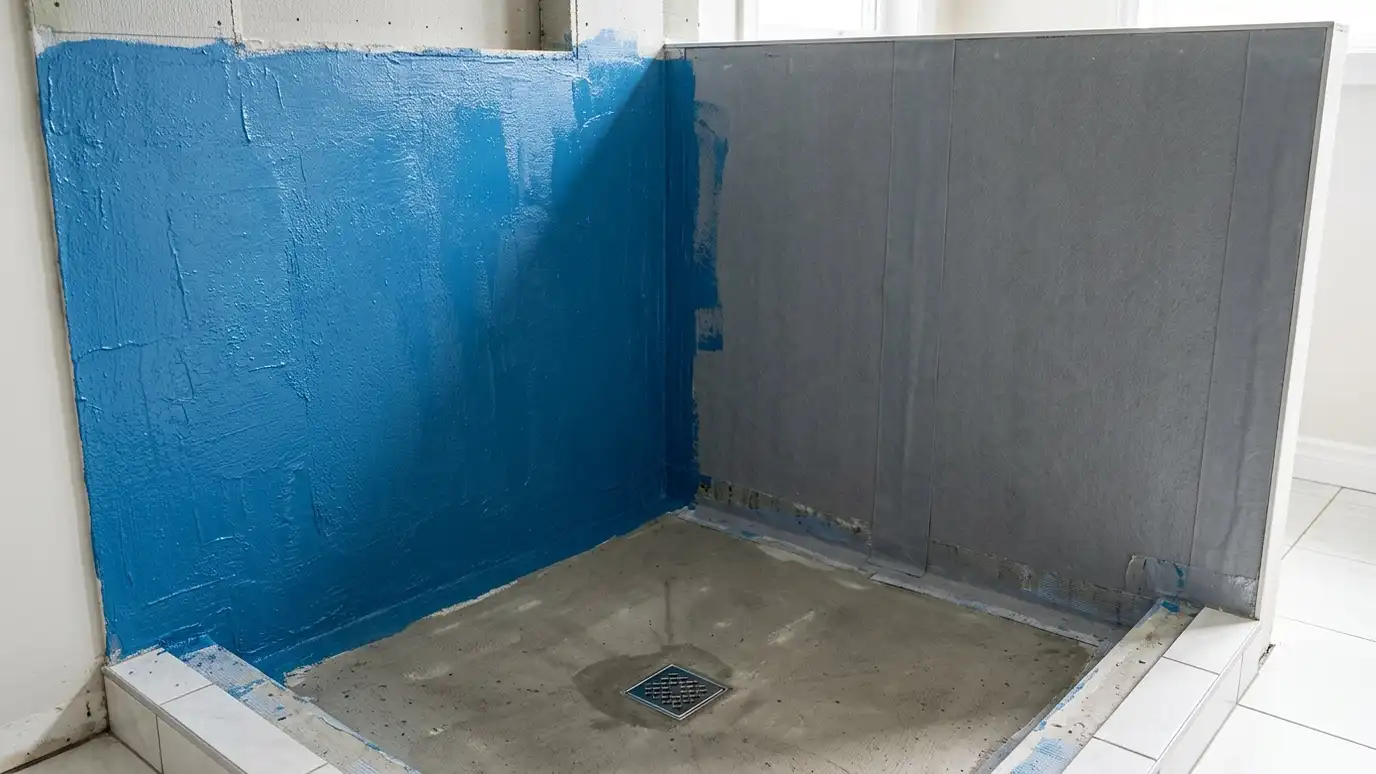 Comparison guideShower Waterproofing ComparedHow sheet membranes, liquid membranes and traditional liners differ in installation, details and what each asks of the…Learn more
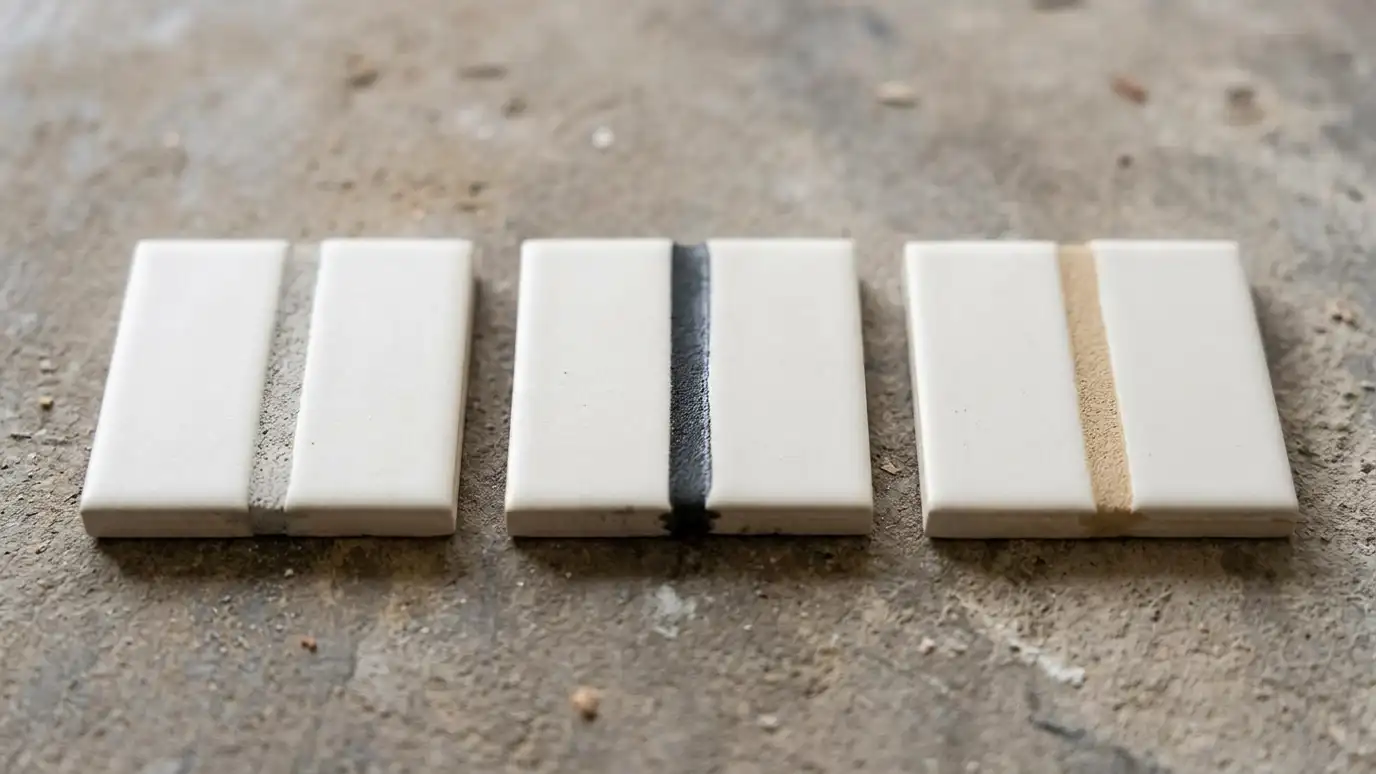 Comparison guideGrout Types ComparedHow cement-based, epoxy and urethane grouts differ in stain resistance, flexibility, color, working time and cost of care.Learn more
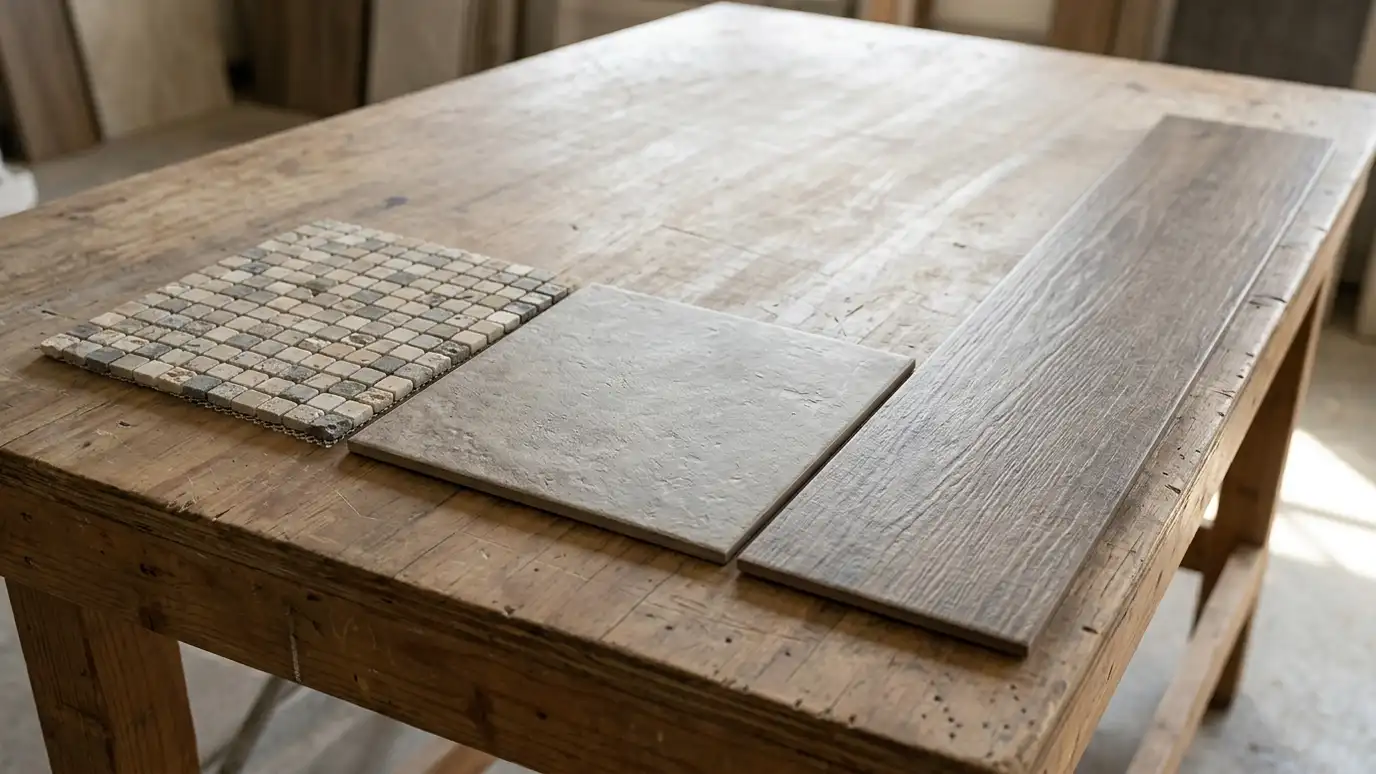 Comparison guideTile Size and Grout LinesHow mosaics, standard tile and large-format tile change the look, the grout lines, the installation and the cleaning.Learn more
Call us and describe your project. We will measure, check the surfaces and give you a clear written estimate.