Start with the room
Think about water, traffic and light. A shower, a kitchen floor and a fireplace wall each ask different things from tile.
Wet areas need dense, low-absorption tile, while dry walls can use softer materials.
List what each room must handle before you fall for a sample.
Pick the material
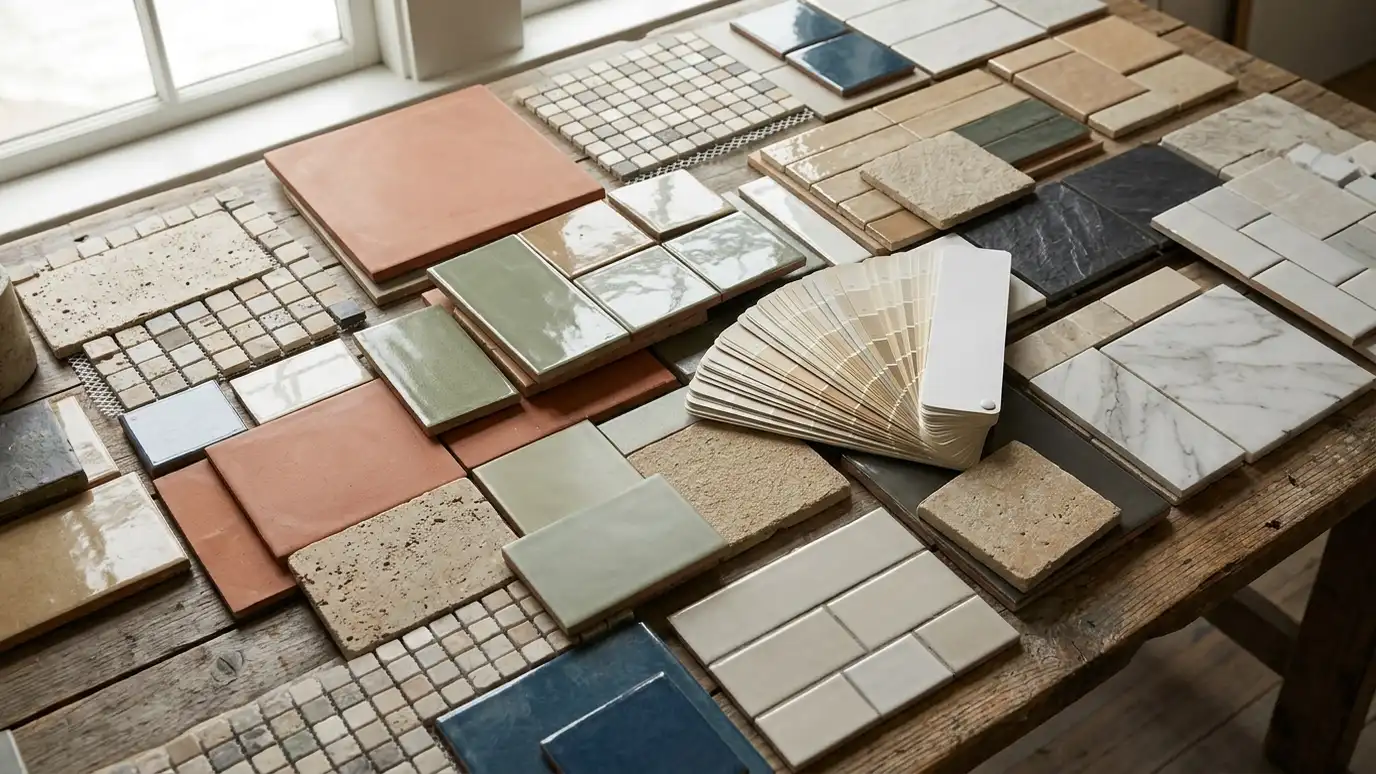
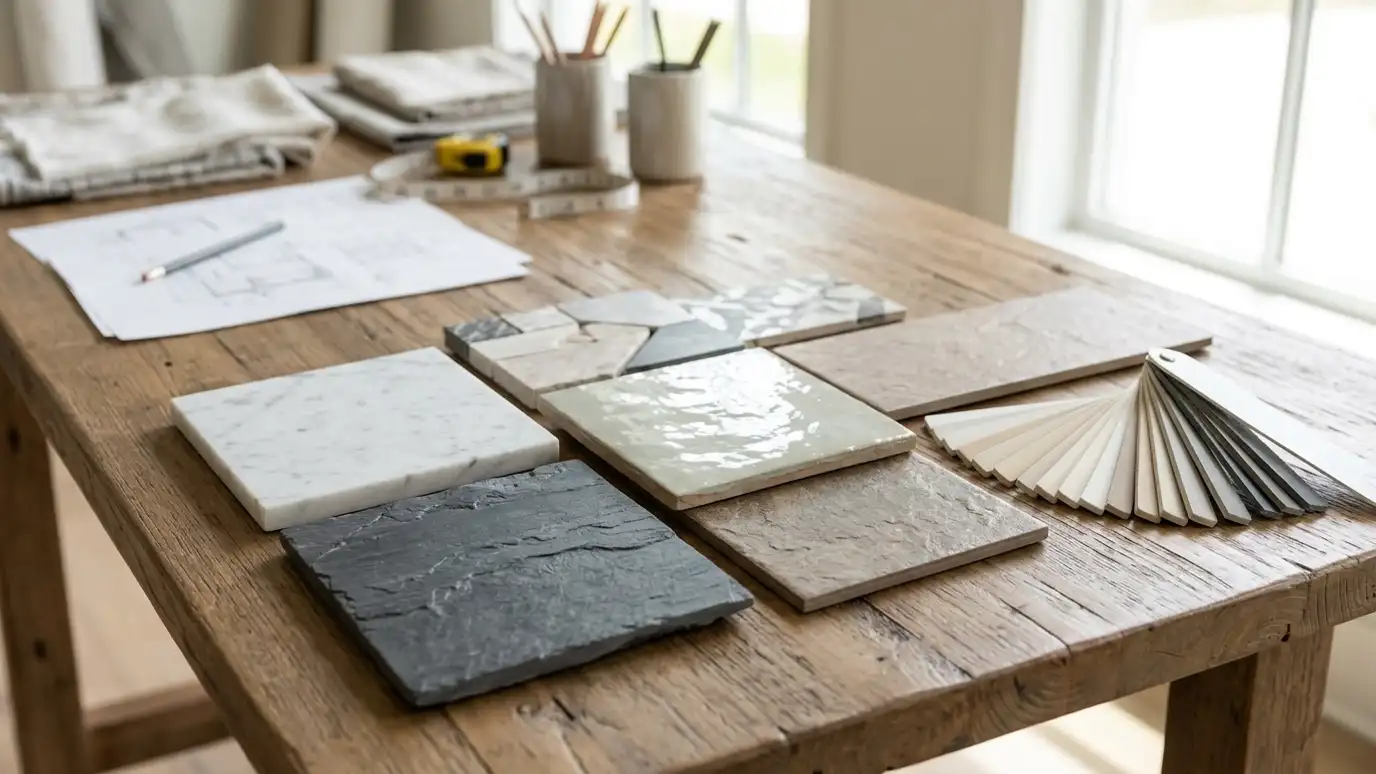
Porcelain is dense and tough, ceramic is a friendly choice for walls and lighter floors, natural stone brings unique character and glass adds sparkle on walls.
Stone needs sealing and gentle cleaners.
Our comparison guide explains how each family behaves.
Choose size and finish
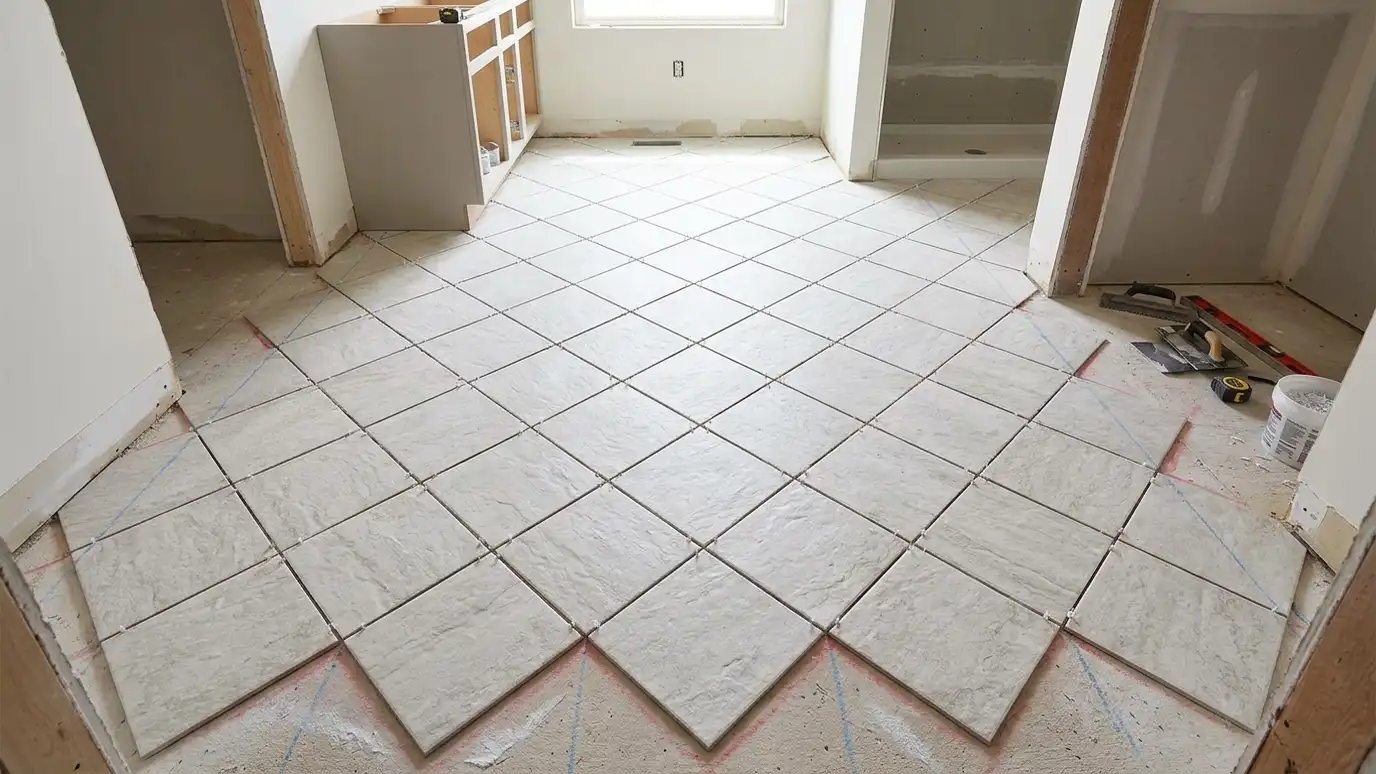
Large tile has fewer grout lines, mosaics follow slopes and standard sizes are easy to find. Finish changes both the look and the grip.
Use textured finishes where floors get wet.
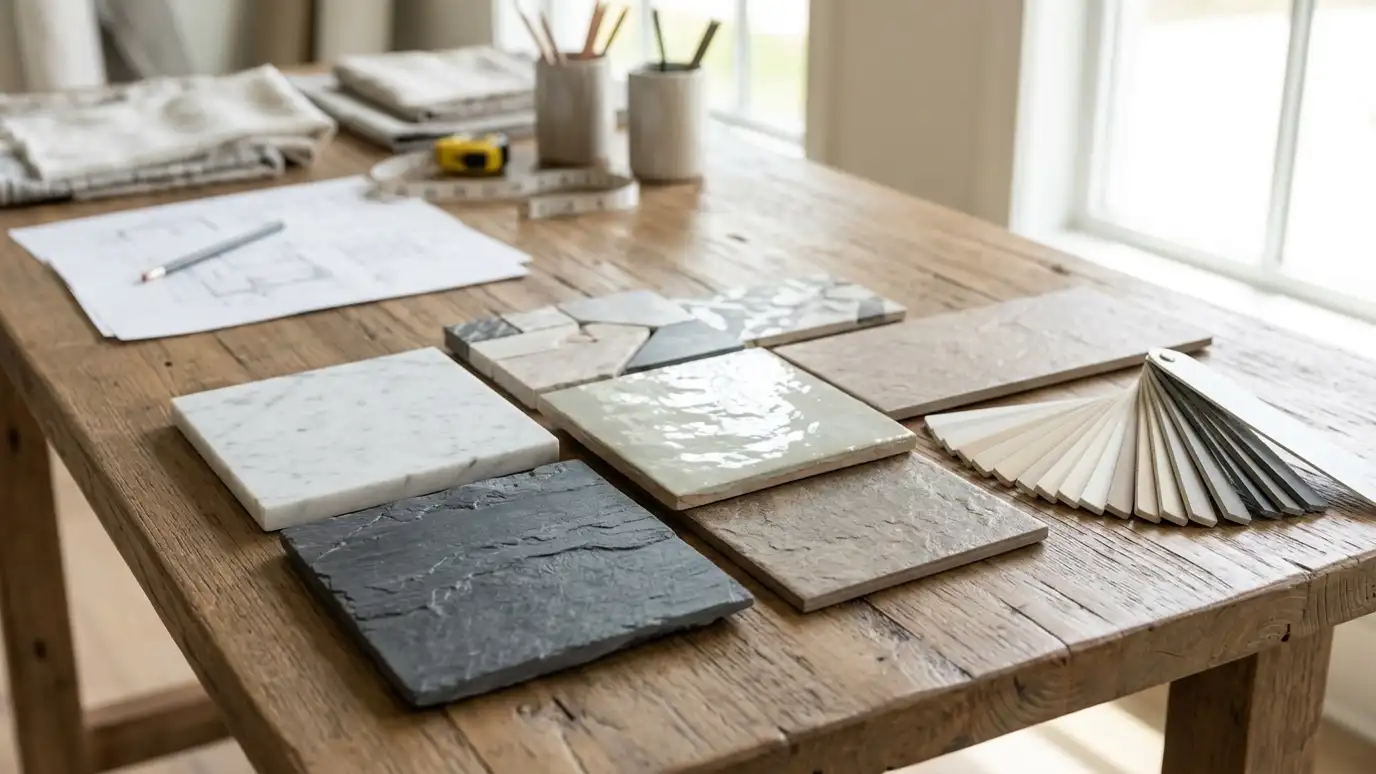
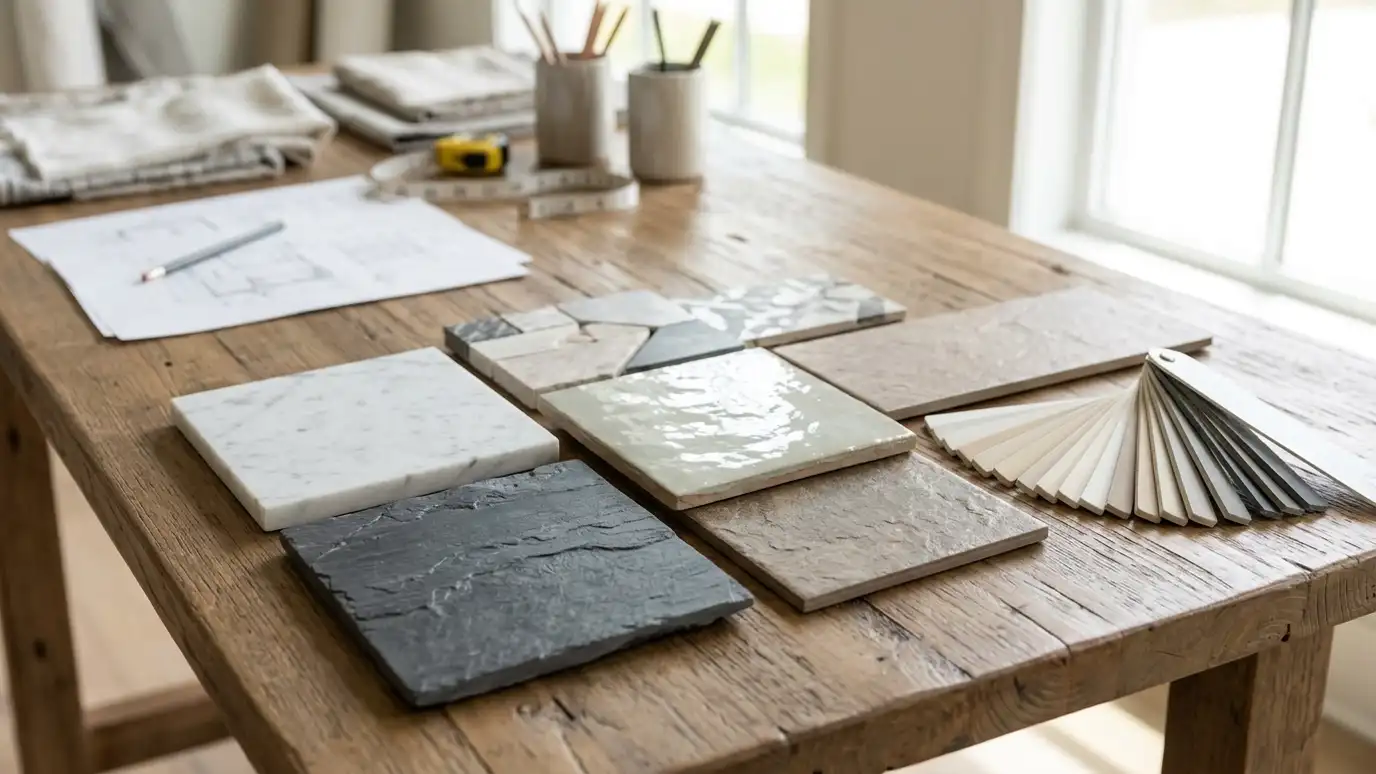
Look at samples next to your cabinets and paint.
Think about grout
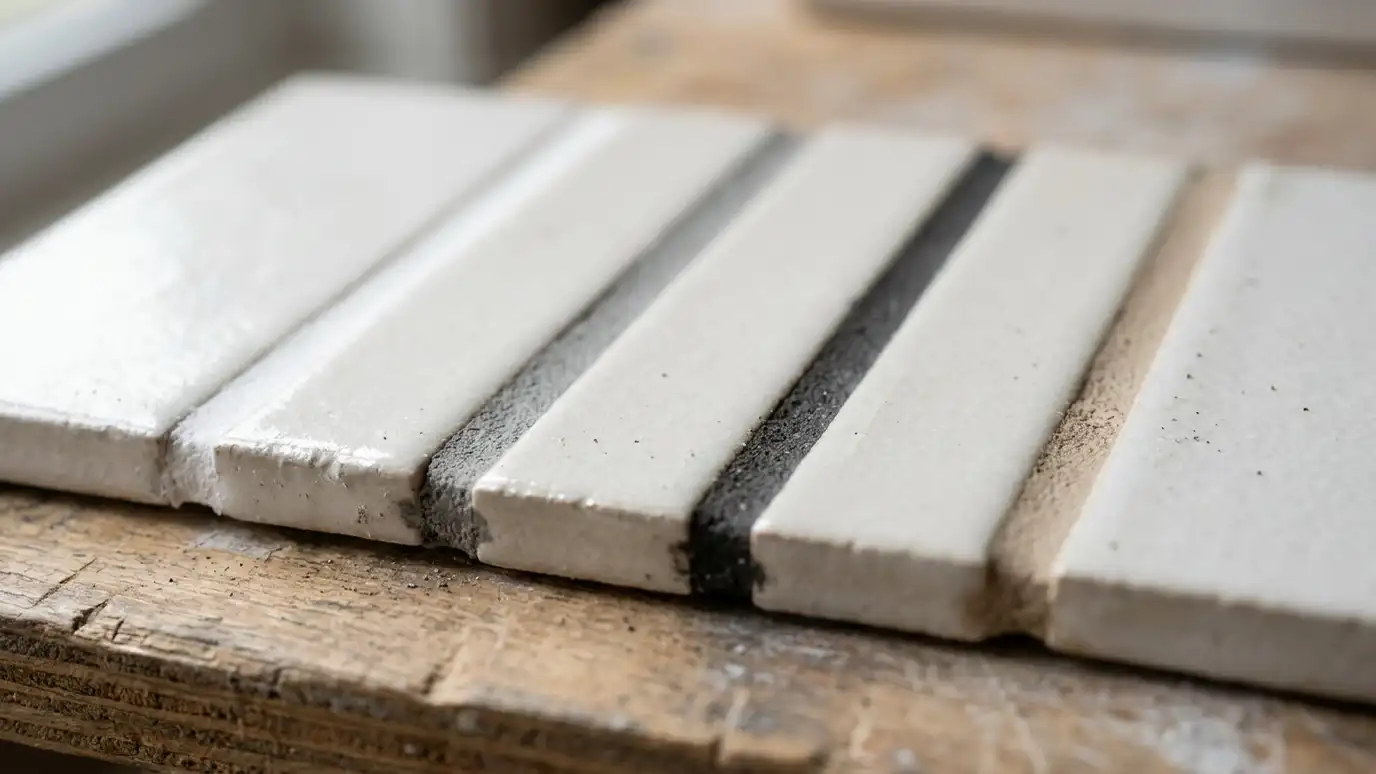
Grout color changes the whole look. Light grout can show dirt, and dark grout can show soap scum.
Epoxy grout resists stains, and cement grout needs sealing.
Test samples next to real tile in your own light.
See it in your light
Tile looks different under daylight, warm bulbs and cool bulbs. Take samples home and look at them morning and night.
Lay several next to each other on the actual floor or wall.
Take photos so you can compare calmly.
Plan the extras
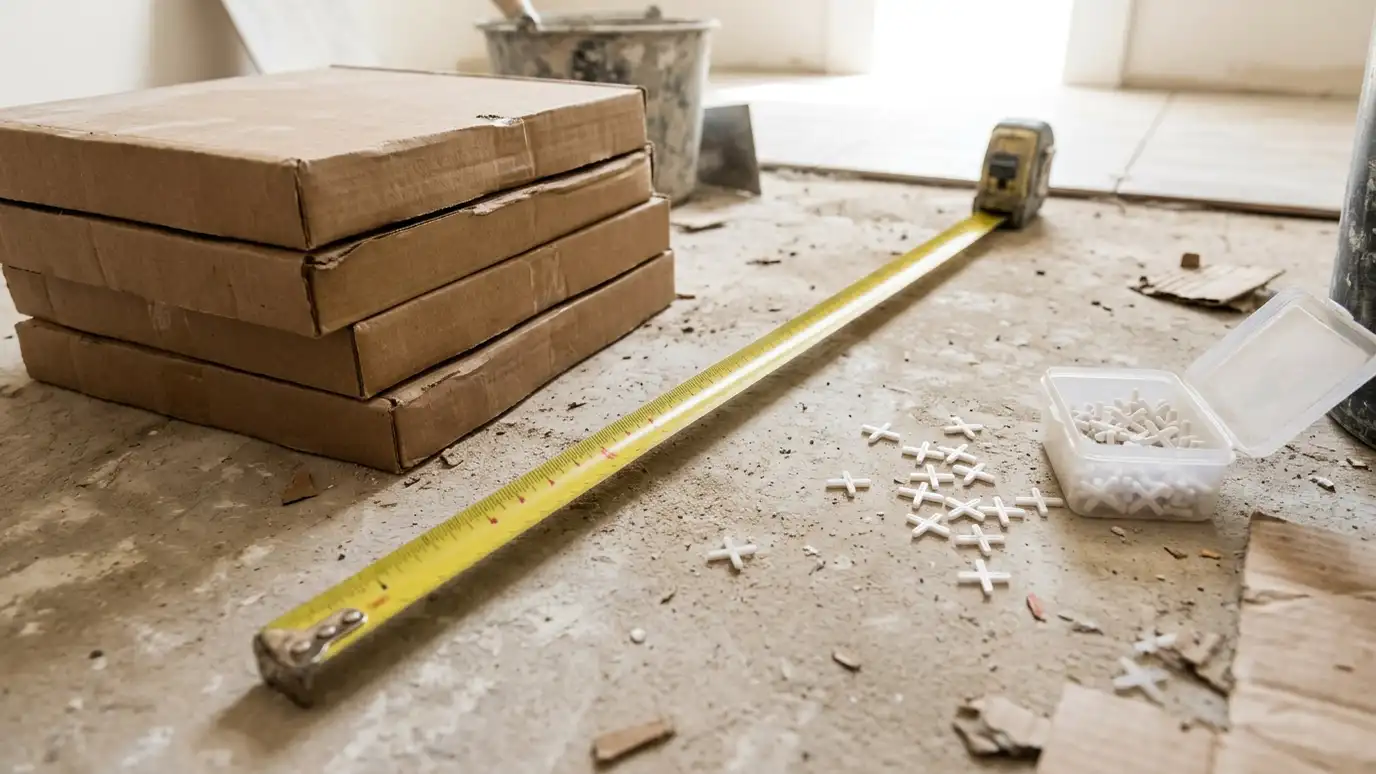
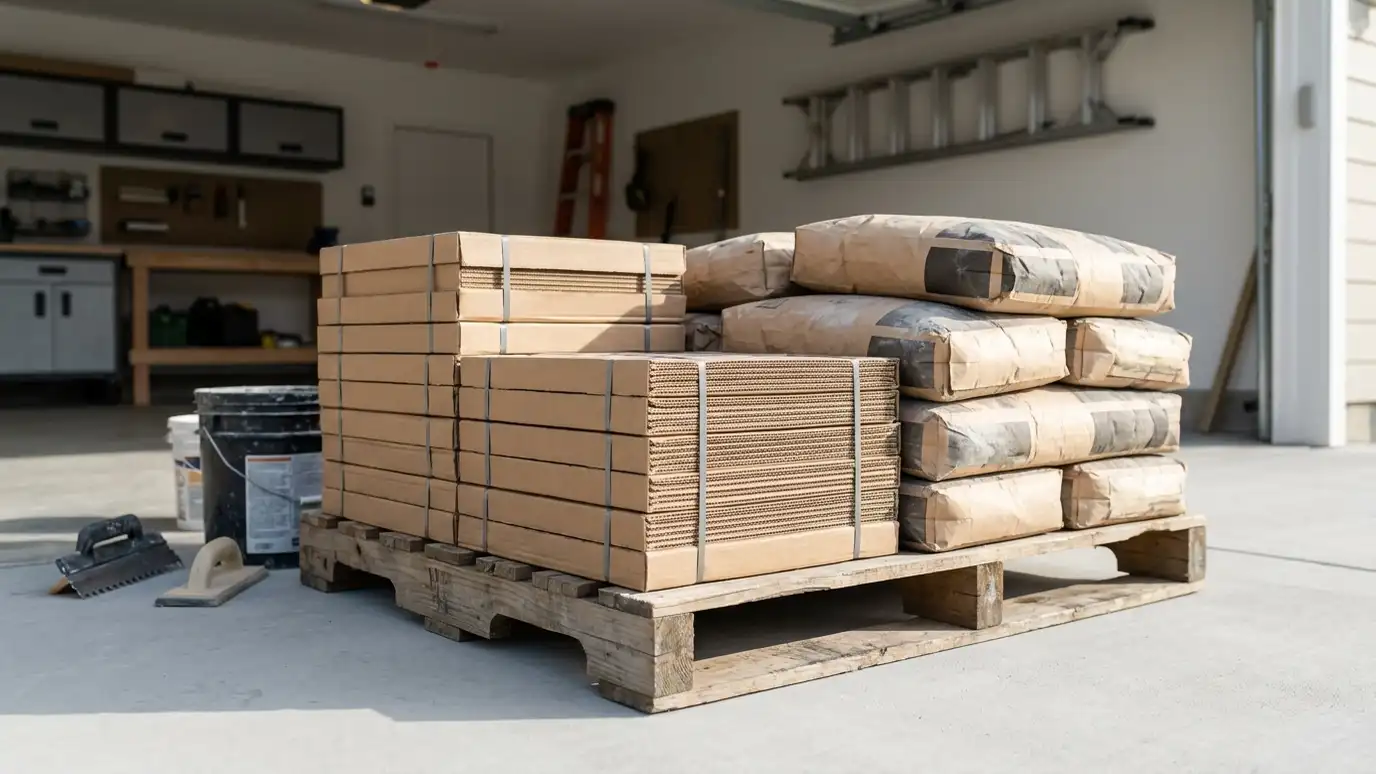
Trim, edge pieces, niches and transitions change the look and the cost. Extra tile for cuts and future repairs is smart.
Order everything from the same lot when possible.
Our material ordering service helps with quantities and delivery.
Choose tile for how the room works first and for how it looks second, and test samples in your own light.